If you drive a Jeep JK and have felt a sudden, violent shake in your steering, you may have experienced the famous “death wobble.” This is more than just a small vibration—it can be scary and dangerous. Many Jeep owners face this issue, especially after lifting their vehicles or adding bigger tires. But don’t worry: with the right steps, you can fix the death wobble and make your Jeep safe and enjoyable to drive again.
What Is Death Wobble?
Death wobble is a strong, uncontrollable shaking in the front wheels, usually triggered by hitting a bump or pothole at highway speeds. The steering wheel shakes back and forth, sometimes so hard that you have to slow down or stop. It’s most common in Jeep JK Wranglers (2007–2018), especially after suspension changes.
Death wobble is not just annoying—it can be dangerous. Left unfixed, it can wear out other parts and put you at risk on the road.
Main Causes Of Jeep Jk Death Wobble
You need to understand what causes death wobble before you can fix it. The most common reasons are:
- Worn track bar bushings or bolts
- Loose or damaged tie rod ends
- Bad ball joints
- Bent or damaged wheels
- Improper wheel alignment
- Unbalanced tires
- Faulty shocks or steering stabilizer
Even one worn part can trigger the problem. Often, several small issues combine to create the wobble.
Step-by-step Guide To Fixing Death Wobble
Follow these steps to find and fix the death wobble in your Jeep JK. You may need basic tools and some experience with car repairs.
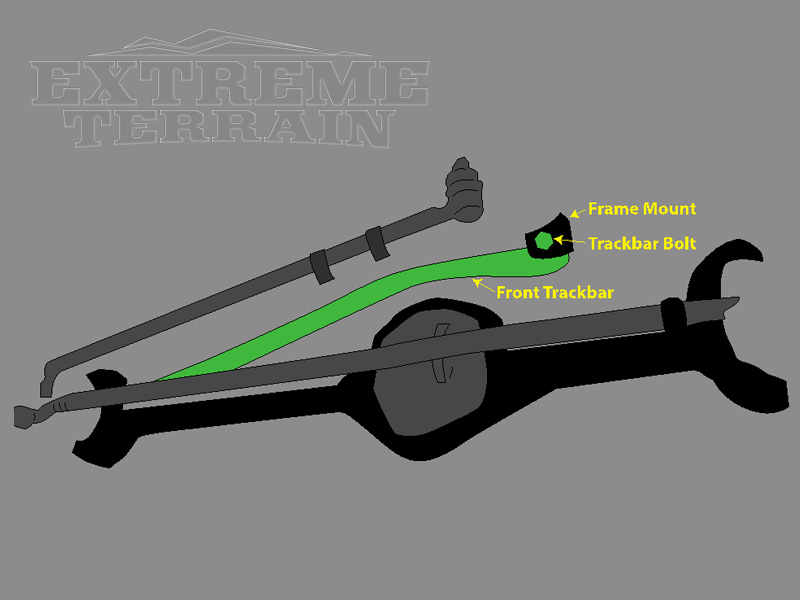
1. Inspect And Tighten The Track Bar
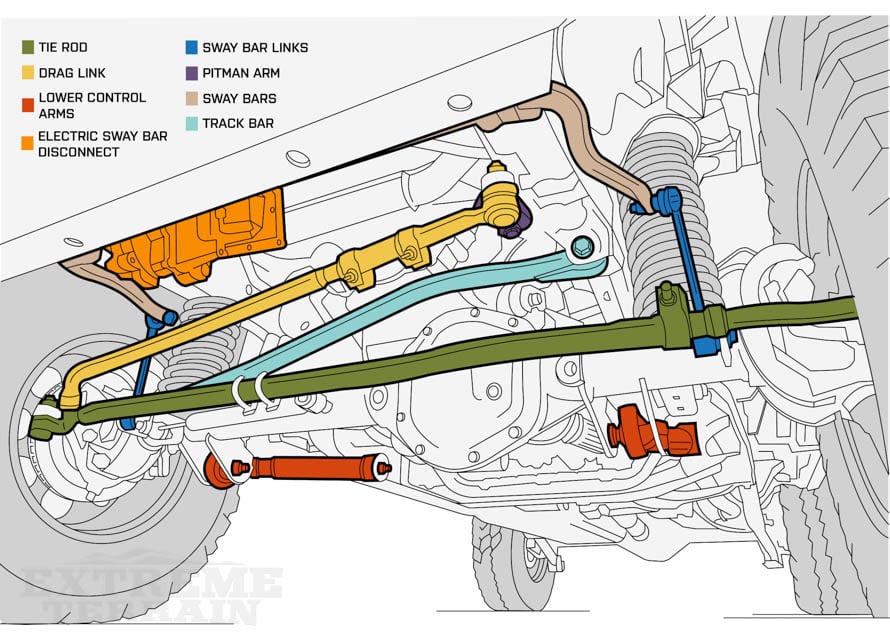
The track bar holds your axle in place. If it’s loose, death wobble is almost guaranteed.
- Check both ends of the track bar for any movement.
- Make sure the bolts are tight—factory spec is 125 ft-lbs.
- Look for worn or cracked bushings.
- Replace any worn bushings or bolts.
2. Check Tie Rod Ends And Drag Link
Tie rod ends connect the steering parts together.
- Grab the tie rod and drag link. Try to move them up and down or side to side.
- Any play means they should be replaced.
- Use a pry bar to check for movement.
3. Examine Ball Joints
Ball joints let your wheels turn and move up and down.
- Jack up the Jeep and grab the tire at the top and bottom.
- Move it in and out—if you feel movement, the ball joints may be worn.
- Replace bad ball joints with quality parts.
4. Inspect Wheels And Tires
Wheels and tires that are bent or out of balance can start a wobble.
- Look for dents or bends in the wheels.
- Make sure tires are balanced and have even wear.
- Replace damaged wheels or tires.
5. Verify Alignment
Improper wheel alignment can make the steering unstable.
- Check toe-in, caster, and camber settings.
- If you’ve lifted your Jeep, check that the caster angle is correct (factory spec: 4–5 degrees).
- Have a shop do a professional alignment if needed.
6. Replace Shocks And Steering Stabilizer
A weak steering stabilizer won’t cause death wobble but can make it worse.
- Test the steering stabilizer by compressing it by hand—it should be stiff.
- Replace old or leaking shocks and stabilizer.
7. Torque All Suspension Bolts
Loose bolts anywhere in the suspension can cause problems.
- Go over all bolts with a torque wrench.
- Use the correct torque specs for your model.
8. Test Drive And Re-check
After repairs, drive your Jeep on a smooth road, then hit a few bumps at moderate speed.
- If the wobble is gone, you’re done.
- If not, re-check all parts—sometimes more than one problem is present.
Common Fixes And Their Costs
To help you plan, here’s a quick comparison of common repairs and their approximate costs:
| Part/Service | DIY Cost | Shop Cost |
|---|---|---|
| Track Bar Replacement | $80–$200 | $200–$400 |
| Ball Joints (per side) | $70–$150 | $300–$600 |
| Tie Rod End | $40–$100 | $120–$250 |
| Wheel Alignment | — | $90–$150 |
| Steering Stabilizer | $50–$120 | $100–$200 |

Preventing Future Death Wobble
Once you’ve fixed the problem, you want to keep it from coming back. Here are some prevention tips:
- Use quality replacement parts—cheap parts wear out faster.
- Check your suspension and steering every oil change.
- After off-roading, inspect the track bar and bolts.
- Keep tires balanced and rotate them every 6,000 miles.
- If you lift your Jeep, get an alignment and check caster angle.
Two Insights Most Owners Miss
Many Jeep JK owners focus only on the steering stabilizer. But this part only hides the symptoms; it does not fix the real problem. Always check all suspension and steering parts together.
Another detail people miss is bolt torque. Even new parts can fail if bolts are not tight enough. Use a torque wrench and follow factory specs for every bolt.
Typical Symptoms Vs. Other Problems
Not every shake is death wobble. Here’s a comparison to help you know for sure:
| Symptom | Death Wobble | Other Vibration |
|---|---|---|
| Steering Wheel Shakes Hard | Yes | Sometimes |
| Happens at Highway Speed | Usually | Sometimes |
| Must Slow Down to Stop It | Yes | No |
| Happens After Hitting Bump | Yes | No |
When To Seek Professional Help
If you’ve checked all the parts and still have death wobble, it may be time to see a mechanic. Some issues, like a bent axle or frame, need special tools and experience to fix. Choose a shop that knows Jeeps—experience matters.
Frequently Asked Questions
What Is The Most Common Cause Of Death Wobble In Jeep Jk?
The track bar is often the main problem, especially if the bushings or bolts are worn or loose. Always check this part first.
Can A Steering Stabilizer Fix Death Wobble?
A steering stabilizer can reduce shaking but will not fix the root cause. You need to repair worn or loose suspension parts.
Will Bigger Tires Cause Death Wobble?
Bigger tires can add stress to steering and suspension, making death wobble more likely. Make sure all parts are upgraded and in good condition.
Is Death Wobble Dangerous?
Yes, it can make your Jeep hard to control and may cause accidents. Fix the problem as soon as possible.
Where Can I Find More Information?
You can learn more about Jeep death wobble and repairs on the Jeep Wrangler Wikipedia page.
Taking death wobble seriously keeps you and your passengers safe. With careful inspection and quality repairs, your Jeep JK can stay on the road and trail for years to come.