Getting your jack out of a Jeep Wrangler is a practical skill every owner should know. Whether you need to change a tire or check the undercarriage, the jack is one of the most important tools in your vehicle. Many beginners struggle to locate and remove it, especially since Jeep Wranglers have different jack placements depending on the model. This guide will show you step-by-step how to get the jack out, give tips for safe handling, and highlight common mistakes. You’ll also find helpful tables and answers to the most frequent questions about Jeep Wrangler jacks.
Locating The Jack In Your Jeep Wrangler
The jack location varies based on the Jeep Wrangler model and year. Most models keep the jack and tools under the rear cargo area or inside a compartment. Here’s a quick overview to help you find yours:
| Model Year | Jack Location | Tool Storage |
|---|---|---|
| 2018-2024 JL | Rear cargo floor | Under floor panel |
| 2007-2017 JK | Under rear seat | Inside seat base |
| 1997-2006 TJ | Rear cargo area | Side panel |
| 1987-1995 YJ | Behind passenger seat | Seat bracket |
If you’re unsure about your model, check your owner’s manual or look for a label near the jack compartment.
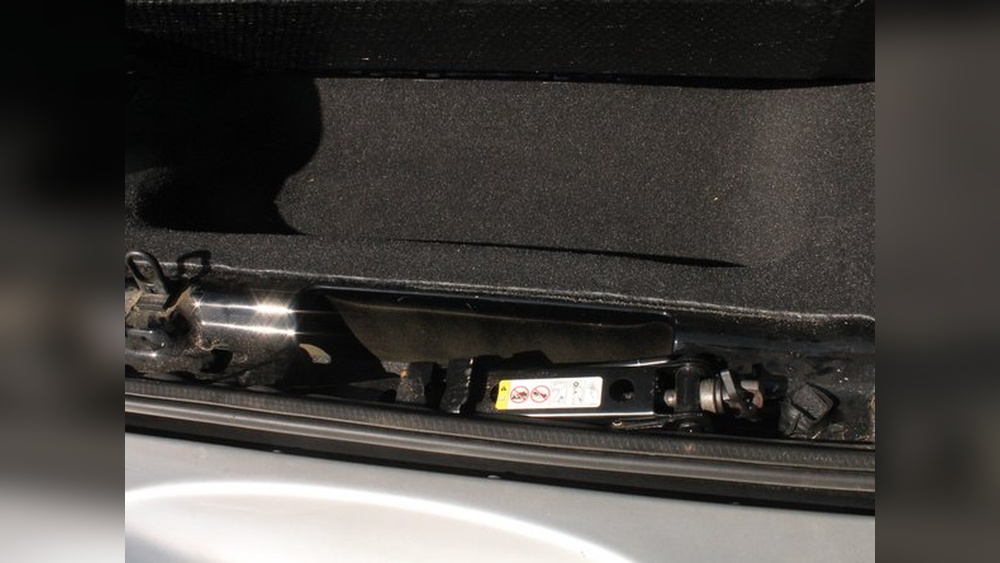
Step-by-step: Getting The Jack Out
Follow these steps to remove the jack safely and quickly:
- Open the cargo area or rear seat, depending on your Jeep model.
- Locate the compartment or panel marked for the jack.
- Release the latch or unscrew the fastener holding the cover. Most Jeep Wranglers use simple clips or bolts.
- Lift the cover to reveal the jack and tools.
- Remove the securing strap or bracket. Many jacks are held in place by a Velcro strap or metal clamp.
- Pull the jack out gently. Avoid forcing it, as this can damage the mounting.
- Take out the lug wrench and handle. These are usually stored next to the jack.
Here’s a comparison of the common securing methods:
| Securing Method | Ease of Removal | Common Issues |
|---|---|---|
| Velcro Strap | Very easy | Strap may loosen |
| Metal Clamp | Moderate | Clamp may rust |
| Plastic Clip | Easy | Clip may break |
| Bolt/Screw | More effort | Can be tight |
Most newer Wranglers use Velcro straps or plastic clips, making removal fast and simple. Older models may require a screwdriver or wrench.

Practical Tips For Handling And Storage
Handling the jack properly is important for safety and keeping your Jeep organized. Here are some tips:
- Always wear gloves when removing and handling the jack. Metal parts can be sharp or dirty.
- Keep the tools together. If you lose the handle or lug wrench, the jack becomes almost useless.
- After use, return the jack and tools to their original spot. Make sure the strap or clamp is tight to prevent rattling.
- Check for rust or damage before storing. A rusty jack may fail when you need it most.
One insight many beginners miss: The jack can sometimes get stuck if it’s not stored properly. Wiggling gently from side to side usually helps free it. If you force it, you might break the compartment or bend the jack.
Common Mistakes And How To Avoid Them
Many Jeep owners make the following mistakes when getting the jack out:
- Forgetting to unlock the securing mechanism. Always check for straps, clamps, or bolts before pulling.
- Damaging the compartment cover. Don’t use too much force or sharp tools.
- Misplacing the tools. Keep all pieces together for easy access next time.
- Ignoring rust or dirt. Clean the jack and tools after use, especially if you went off-road.
Another beginner mistake: Not checking if the jack fits the vehicle. Some aftermarket jacks are larger or shaped differently and won’t fit in the original compartment. Always test fit before storing.
What To Do If Your Jack Is Missing Or Damaged
If you discover your jack is missing or broken, you have a few options:
- Buy a replacement OEM jack. These fit perfectly and match your Jeep model.
- Choose a universal jack if you have aftermarket wheels or tires, but check measurements first.
- For frequent off-roading, consider a high-lift jack. These are stronger but require special mounting.
Here’s a quick comparison:
| Jack Type | Fits Original Compartment | Best For | Price Range |
|---|---|---|---|
| OEM Jeep Jack | Yes | Standard use | $40–$80 |
| Universal Scissor Jack | Sometimes | Aftermarket wheels | $30–$100 |
| High-Lift Jack | No | Off-road | $60–$150 |
Don’t forget to check the weight rating of any jack. Your Jeep Wrangler weighs between 4,000 and 5,000 pounds, so the jack must be strong enough.
For official replacement parts, you can visit the Jeep official site: Jeep Parts & Accessories.
Frequently Asked Questions
Where Is The Jack Located In A Jeep Wrangler?
Most newer Wranglers have the jack under the cargo floor in the rear. Older models may keep it under the rear seat or behind the passenger seat.
How Do I Remove A Stuck Jack?
Gently wiggle the jack side-to-side. If it doesn’t move, check for missed straps or clamps. Avoid using tools that may damage the compartment.
Can I Use A Different Jack For My Jeep Wrangler?
Yes, but the replacement jack must fit your Jeep’s weight and the compartment size. Universal or high-lift jacks work but may need new storage solutions.
What Tools Do I Need To Remove The Jack?
Usually, you only need your hands. If your Jeep uses a bolt or screw, a simple screwdriver or wrench may be needed.
What Should I Do If The Jack Is Missing?
Buy an OEM replacement or a compatible jack. Make sure it fits your Jeep’s compartment and can lift the vehicle’s weight.
Knowing how to get the jack out of your Jeep Wrangler is more than just finding it—it’s about being prepared for emergencies and keeping your tools organized. With these clear steps, data, and tips, you’ll be ready whenever you need your jack.
Take a moment to practice removing and storing it so you’re not caught off guard on the road or trail.