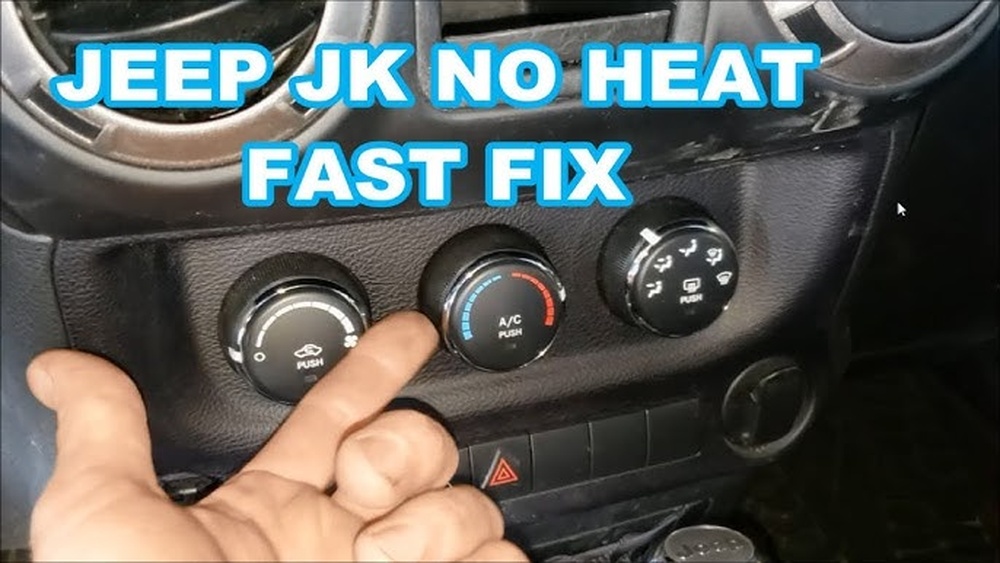
If you own a Jeep Wrangler, you know it’s made for adventure. But when the heat inside your Jeep isn’t working, winter drives become uncomfortable fast. Fixing heat problems can seem tough, but with the right steps, you can solve most issues yourself. This guide shows you how to diagnose, repair, and prevent heat problems in your Jeep Wrangler—using simple language and practical advice.
Common Causes Of Heat Problems In Jeep Wrangler
Understanding why your Jeep’s heat isn’t working is the first step. Here are the most frequent reasons:
- Low coolant level: If there’s not enough coolant, your heater won’t get hot.
- Faulty thermostat: A broken thermostat keeps coolant from reaching the right temperature.
- Heater core blockage: Dirt or old coolant can block the heater core.
- Blower motor issues: If the blower motor fails, hot air won’t reach the cabin.
- Blend door malfunction: This door controls air flow; if it’s stuck, you get cold air.
Let’s compare these problems and symptoms:
| Problem | Main Symptom | Repair Difficulty |
|---|---|---|
| Low Coolant | Weak or no heat | Easy |
| Thermostat | Cold engine, no heat | Medium |
| Heater Core | Sweet smell, foggy windows | Hard |
| Blower Motor | No airflow | Easy |
| Blend Door | Stuck temp control | Medium |
Step-by-step Fixes For Jeep Wrangler Heat Problems
Follow these steps to diagnose and fix your Jeep’s heating system. Use caution and consult your owner’s manual before starting.
1. Check Coolant Level
- Make sure the engine is cool.
- Open the hood and locate the coolant reservoir.
- If coolant is below the “MIN” line, add the correct mixture of coolant and water.
Tip: Low coolant is the most common cause of weak heat. Check for leaks under your Jeep.
2. Inspect The Thermostat
- If your engine temperature gauge stays low, the thermostat may be stuck open.
- Replace the thermostat if needed. This part costs about $20–$40.
- Most Jeep Wrangler owners can change the thermostat in under an hour.
3. Flush The Heater Core
- If you smell a sweet odor or see foggy windows, the heater core could be clogged.
- Disconnect the heater hoses under the hood.
- Use a garden hose to flush water through the heater core until it runs clear.
- Reconnect hoses and refill coolant.
Non-obvious insight: Many beginners forget to bleed air from the cooling system after flushing. Air pockets can block heat—so always bleed the system.
4. Test The Blower Motor
- Turn on the heat and listen for the blower motor.
- If you don’t hear it or feel airflow, check the fuse (usually in the fuse box under the dashboard).
- Replace the blower motor if it’s not working. This costs $50–$150.
5. Check Blend Door Operation
- Set your Jeep’s temperature control to both hot and cold.
- If the air doesn’t change temperature, the blend door may be stuck.
- Access the blend door behind the dashboard. Move it manually or replace the actuator.
Practical example: On some Jeep Wrangler models, you can reach the blend door actuator by removing the glove box. This saves hours compared to full dash removal.
Comparing Diy Vs Professional Repair
You may wonder if you should fix these issues yourself or hire a mechanic. Here’s a quick comparison:
| Repair Type | DIY Cost | Professional Cost | Time Required |
|---|---|---|---|
| Coolant Top-Up | $20 | $60–$100 | 15 minutes |
| Thermostat Replacement | $40 | $150–$300 | 1 hour |
| Heater Core Flush | $10 | $120–$300 | 1–2 hours |
| Blower Motor Replacement | $100 | $200–$400 | 1 hour |
| Blend Door Fix | $0–$50 | $200–$500 | 1–3 hours |
Non-obvious insight: Many heat issues can be fixed at home with basic tools. But if you see coolant leaking inside the cabin, get professional help immediately—this can cause expensive damage.
Preventing Future Heat Problems
Avoiding heat issues is easier than you think. Here are the best ways to keep your Jeep’s heater working:
- Change coolant every 2–3 years.
- Inspect hoses for cracks or leaks.
- Don’t ignore strange smells or foggy windows.
- Check the thermostat during routine maintenance.
- Clean the blower motor filter if your model has one.
Expert tip: Use only the recommended coolant for your Jeep Wrangler. Mixing brands can cause clogs and damage the heater core.

When To Seek Professional Help
Sometimes, fixing heat problems requires a skilled mechanic. Seek help if:
- You see coolant puddles inside the Jeep.
- The heater core is leaking or badly clogged.
- You’re unsure about removing dashboard parts.
- Electrical issues prevent the blower motor from running.
A mechanic can diagnose hidden problems and save you time and money. For more details on Jeep Wrangler maintenance, check the official Jeep website: Jeep Owner’s Manuals.
Frequently Asked Questions
Why Is My Jeep Wrangler Blowing Cold Air When The Heat Is On?
If your Jeep blows cold air, check the coolant level first. A stuck thermostat or blocked heater core can also cause this problem.
How Often Should I Change The Coolant In My Jeep Wrangler?
Coolant should be changed every 2–3 years or every 30,000 miles. This keeps your heating system working and prevents corrosion.
Can I Drive My Jeep Wrangler With A Broken Heater?
You can drive with a broken heater, but it’s uncomfortable and unsafe in cold weather. It may also signal bigger problems, like coolant leaks.
How Do I Know If My Heater Core Is Clogged?
Signs of a clogged heater core include sweet smells, foggy windows, and weak heat. Flushing the core usually fixes this, but sometimes it needs replacement.
Is Fixing Heat In A Jeep Wrangler Expensive?
Most fixes are affordable if you do them yourself. Professional repairs can cost $100–$500, depending on the problem and your location.
Getting your Jeep Wrangler’s heat working again doesn’t have to be difficult. With these steps, you can stay warm and enjoy your drive—even in the coldest weather. Remember, regular maintenance is key to preventing heating issues.