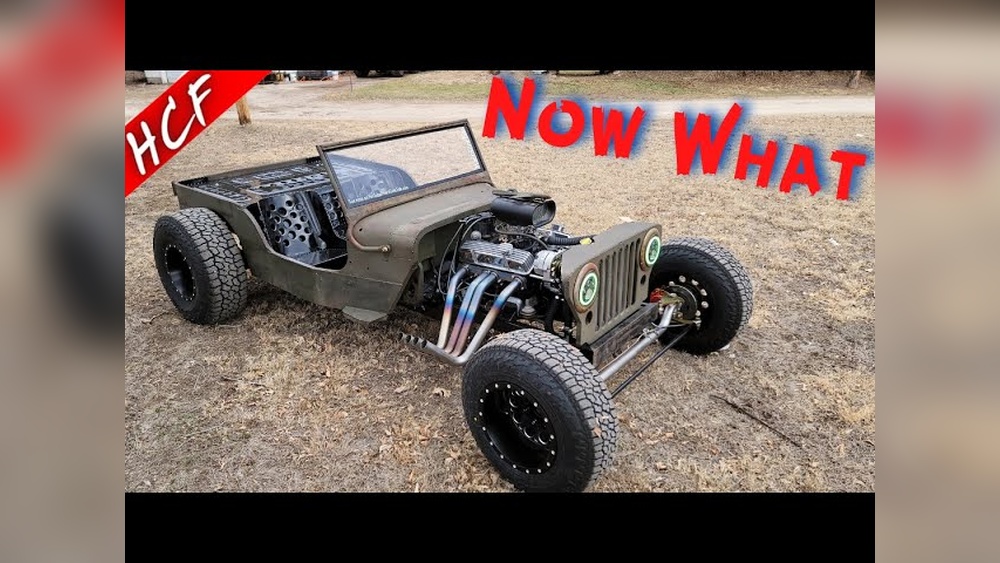
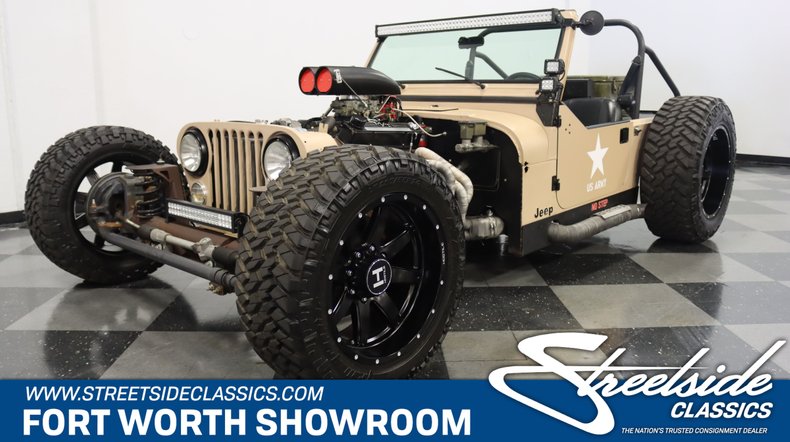
Building a Jeep rat rod is a dream for many car enthusiasts who love creativity, rugged looks, and unique vehicles. A rat rod is a custom car that mixes old-school style with a rough, unfinished appearance. The Jeep rat rod combines vintage Jeep parts with custom modifications, delivering a tough, eye-catching machine.
If you want a project that stands out at car shows and on the street, this guide will help you start your journey.
Planning Your Jeep Rat Rod Build
Before you grab tools, planning is crucial. Decide what you want your rat rod to look like. Sketch your ideas or collect photos for inspiration. Think about:
- What Jeep model will you use? (CJ, YJ, TJ, etc.)
- Which parts will you keep and which will you swap?
- What’s your budget for the project?
- Do you want a daily driver or a show car?
A common mistake is starting without a clear vision. Changing direction mid-build wastes time and money. Research builds online and talk to experienced builders. For more Jeep rat rod inspiration and community ideas, visit Wikipedia.
Choosing The Right Jeep And Parts
Picking the right base vehicle sets the tone for your rat rod. Older Jeeps, like the Willys CJ or Jeep YJ, are popular because of their simple frames and classic shapes.
| Jeep Model | Year Range | Pros | Cons |
|---|---|---|---|
| Willys CJ | 1940s–1950s | Vintage look, simple frame | Hard to find, expensive parts |
| Jeep YJ | 1987–1995 | Affordable, easy to modify | Less vintage, square headlights |
| Jeep TJ | 1997–2006 | Modern features, round headlights | Higher cost, more electronics |
For the rat rod look, choose parts from junkyards, swap meets, or old farms. Mix Jeep parts with components from other vehicles, like Chevy engines or Ford axles. This gives your build character and helps keep costs down.

Stripping Down And Customizing
Start by removing unnecessary parts. Strip the Jeep down to the frame and body. Keep what you need for safety and style. For a classic rat rod appearance:
- Remove fenders and bumpers
- Cut or chop the windshield
- Lower the ride height (if possible)
- Keep rust and patina for that authentic “unfinished” look
Many builders use spray paint, metal patches, or even license plates as body panels. Don’t be afraid to experiment with materials. Just make sure anything you add is secure and safe.
Building The Chassis And Suspension
A strong, safe chassis is vital. Check the Jeep’s frame for rust and cracks. Reinforce weak spots with new steel. For the suspension, most rat rods use a mix of old and new parts.
| Suspension Type | Ride Quality | Cost | Rat Rod Style |
|---|---|---|---|
| Leaf Springs | Rough | Low | Very traditional |
| Coil Springs | Smoother | Medium | Modern touch |
| Air Bags | Adjustable | High | Extreme custom |
If you want a low stance, consider flipping the axles or using drop brackets. Always check your local laws about ride height and modifications.
Engine And Drivetrain Choices
Rat rods often have engines from different brands. Jeep engines are reliable, but swapping in a Chevy V8 or Ford small block can add power and noise.
- Keep cooling simple: A basic radiator and electric fan work well
- Use headers or straight pipes for a loud exhaust
- Manual transmissions add more vintage feel
- Make sure the driveshaft matches your new engine and transmission
A non-obvious tip: Focus on reliability over horsepower. Rat rods look wild, but a broken-down ride isn’t fun. Check used engines for leaks, compression, and wiring issues.
| Engine Type | Horsepower | Ease of Swap |
|---|---|---|
| Jeep Inline-6 | 150-190 HP | Easy |
| Chevy V8 | 200-350 HP | Medium |
| Ford Small Block | 180-320 HP | Medium |
Interior, Wiring, And Final Details
The inside of a rat rod is simple and functional. Leave the metal bare or paint it with cheap spray paint. Use old seats, basic gauges, and minimal wiring.
- Install only what’s needed: Speedometer, oil pressure, and temperature gauge
- Use toggle switches for lights and ignition
- Add a roll bar or cage for safety
Don’t forget the wiring. Many rat rods use basic harnesses or custom wiring. Label wires and keep them neat to avoid future electrical problems.
A common beginner mistake is ignoring safety. Always install seat belts and check brakes. Rat rods can be rough, but safety should never be skipped.
Legal And Practical Considerations
Before driving your Jeep rat rod on the street, check your local laws about custom vehicles. Some states require inspections, emissions tests, or paperwork for engine swaps.
- Register your vehicle as a custom build or antique
- Make sure you have insurance
- Avoid driving without lights, wipers, or proper brakes
It’s smart to keep photos of your build process. This helps with registration and shows proof of work if you sell the vehicle later.

Frequently Asked Questions
Can I Build A Jeep Rat Rod With Limited Mechanical Experience?
Yes, but start simple. Use basic tools and follow step-by-step guides. Join online forums for advice. If you’re unsure, ask local mechanics for help.
How Much Does It Cost To Build A Jeep Rat Rod?
Costs vary. Most builds range from $3,000 to $10,000. Using junkyard parts and doing work yourself saves money. Custom engines and paint jobs add to the price.
Are Jeep Rat Rods Reliable For Daily Driving?
They can be, if you focus on reliable parts and good wiring. Avoid over-complicated modifications. Keep maintenance simple and check for issues regularly.
What Size Tires Should I Use For A Jeep Rat Rod?
Large, wide tires give a bold look. Most builders use 33-37 inch tires with deep tread. Make sure your suspension and steering can handle the size.
Do I Need To Upgrade Brakes When Building A Rat Rod?
Yes. Old Jeep brakes may not be strong enough. Upgrade to disc brakes or modern systems for safety. Test brakes before driving on the road.
Building a Jeep rat rod is a rewarding project that combines creativity, engineering, and style. Take your time, plan carefully, and enjoy the process. With the right parts and ideas, you’ll create a head-turning vehicle that shows off your personality and skills.