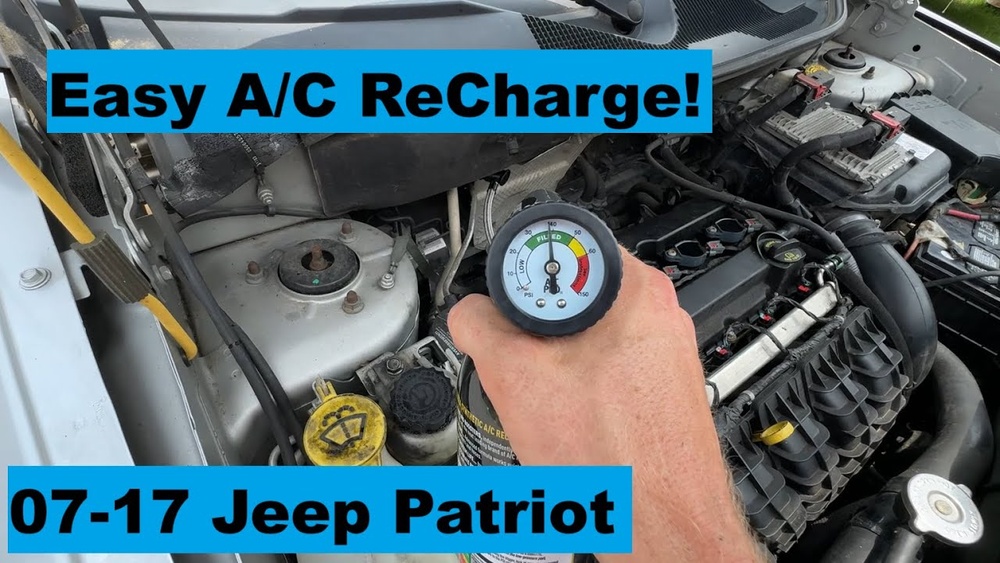
If your Jeep Patriot’s air conditioning isn’t blowing cold air, it’s possible that the system needs more Freon. Freon is the refrigerant that cools the air inside your car. Adding Freon isn’t very hard, but you must do it safely and correctly. This guide will show you step-by-step how to put Freon in your Jeep Patriot, explain what tools you need, and help you avoid common mistakes. Whether you’re a beginner or just looking to save money on repairs, you’ll find practical advice here.
Understanding Freon And Your Jeep Patriot’s Ac
Before adding Freon, it’s important to know how your AC system works. Your Jeep Patriot uses R-134a Freon, which is standard for most vehicles made after 1995. The AC system is closed, meaning it should not lose refrigerant unless there’s a leak.
Too much Freon can damage the compressor, while too little makes the air warm. Most Patriots need about 17-21 ounces of R-134a. Always check your owner’s manual or the sticker under the hood for exact numbers.
| Model Year | Freon Type | Approx. Capacity (oz) |
|---|---|---|
| 2007-2010 | R-134a | 19 |
| 2011-2017 | R-134a | 21 |
Tools And Materials You Will Need
To put Freon in your Jeep Patriot, gather these items:
- R-134a Freon can
- AC recharge kit (usually includes a hose and gauge)
- Safety glasses and gloves
- Owner’s manual (for reference)
- Clean rag
Some kits include leak detectors. If you suspect a leak, consider buying a kit with this feature. Using a gauge is important because it prevents overfilling.
Preparing Your Jeep Patriot
- Park your Jeep on level ground. Turn off the engine and let it cool.
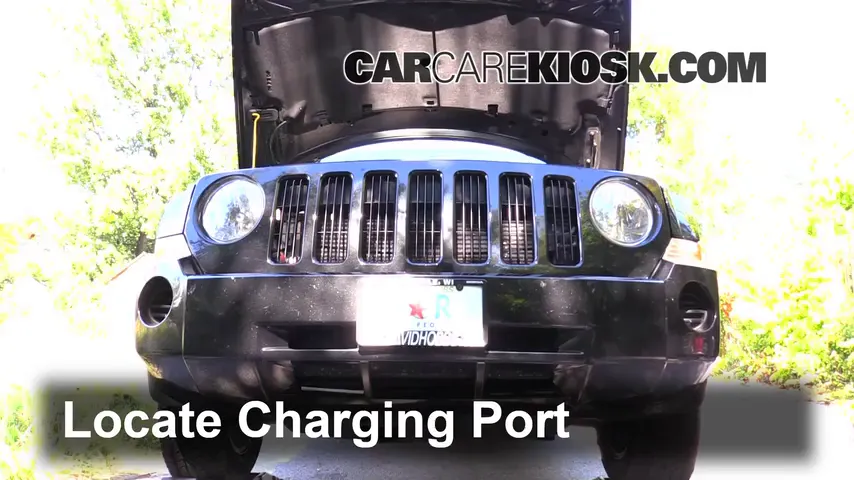
- Open the hood. Locate the low-pressure port. It’s usually marked with an “L” and has a blue or black cap.
- Clean the port area with a rag to prevent dirt from entering the system.
| Location | Cap Color | Label |
|---|---|---|
| Near firewall | Blue/Black | L (Low) |
| Passenger side | Black | L |
Many beginners confuse the high-pressure port with the low-pressure port. Never connect to the high-pressure port; it can cause injury.
Step-by-step: Putting Freon In Your Jeep Patriot
- Start the engine and turn the AC to maximum cold with the fan on high.
- Attach the recharge hose to the low-pressure port. Make sure it clicks into place.
- Check the gauge. The needle should be in the “low” or “undercharged” area before adding Freon.
- Shake the Freon can. Open the valve as directed on the kit.
- Hold the can upright and squeeze the trigger to add Freon. Use short bursts. Watch the gauge while adding.
- When the gauge shows “optimal” or “green,” stop adding. Most systems don’t require the whole can.
- Remove the hose. Replace the cap on the port.
- Let the engine run for a few minutes. Check if the air is cold.
- Turn off the engine and clean up.
Helpful Tips
- Do not overcharge. Too much Freon can cause compressor failure.
- Always wear safety glasses. Freon can cause injury if it leaks.
- If the gauge doesn’t move, you may have a leak. Seek professional help.
Comparing Diy Vs. Professional Ac Recharge
Sometimes, it’s better to let a mechanic handle the job. Here’s a quick comparison:
| Method | Cost ($) | Time (min) | Risk |
|---|---|---|---|
| DIY | 40-60 | 20-30 | Medium |
| Professional | 120-250 | 60-90 | Low |
DIY is cheaper, but you must be careful not to overfill or damage the system. Professional service costs more but includes leak detection and proper testing.
Common Mistakes And How To Avoid Them
Many Jeep Patriot owners make these mistakes:
- Adding Freon to the wrong port – Always use the low-pressure port.
- Overfilling the system – Use the gauge, and stop when it reaches the optimal range.
- Ignoring leaks – If your system needs Freon often, it probably has a leak.
- Not running the engine – Always run the engine with AC on high while adding Freon.
- Using the wrong Freon type – Only use R-134a for Jeep Patriot.
A non-obvious tip: Sometimes, the AC system fails because of a bad compressor or electrical issue, not just low Freon. If adding Freon doesn’t fix the problem, get a mechanic’s opinion.

How To Tell If Your Jeep Patriot Needs Freon
Look for these signs:
- Warm air blows from the AC vents.
- AC clutch doesn’t engage (clicking sound under the hood).
- Visible leaks or oily residue near AC lines.
A beginner mistake is to add Freon without checking for leaks. Always inspect hoses and connections before refilling.
Safety Considerations
Freon is dangerous if inhaled or touched. Never recharge the AC in a closed garage. Always wear gloves and eye protection. Keep children and pets away during the process.
If you spill Freon, clean it up immediately. Do not allow it to contact your skin or eyes. Dispose of empty cans according to local rules.
For more detailed guidance, visit the official Jeep Patriot maintenance page at Jeep Owners Site.
Frequently Asked Questions
How Often Should I Add Freon To My Jeep Patriot?
You should not need to add Freon regularly. If your Jeep needs a recharge more than once every few years, there might be a leak.
Can I Use A Different Freon Type In My Jeep Patriot?
No. Only use R-134a. Other types can damage the AC system and void your warranty.
What Happens If I Overfill The Ac System?
Overfilling can cause compressor failure, poor cooling, and costly repairs. Always use a gauge to avoid this problem.
How Do I Know If My Ac Has A Leak?
Look for oily spots near hoses and fittings. If the system loses Freon quickly or the gauge never moves, you likely have a leak.
Is It Safe To Add Freon Myself?
Yes, if you follow safety steps and use the right tools. Always wear gloves and eye protection, and work in a well-ventilated area.
Adding Freon to your Jeep Patriot is a simple job for most people, but only if you pay attention to details. Take your time, use the right tools, and never skip safety steps. If you’re unsure or the AC still doesn’t cool, don’t hesitate to ask a professional for help.
With proper care, your Patriot’s AC will keep you comfortable all summer.