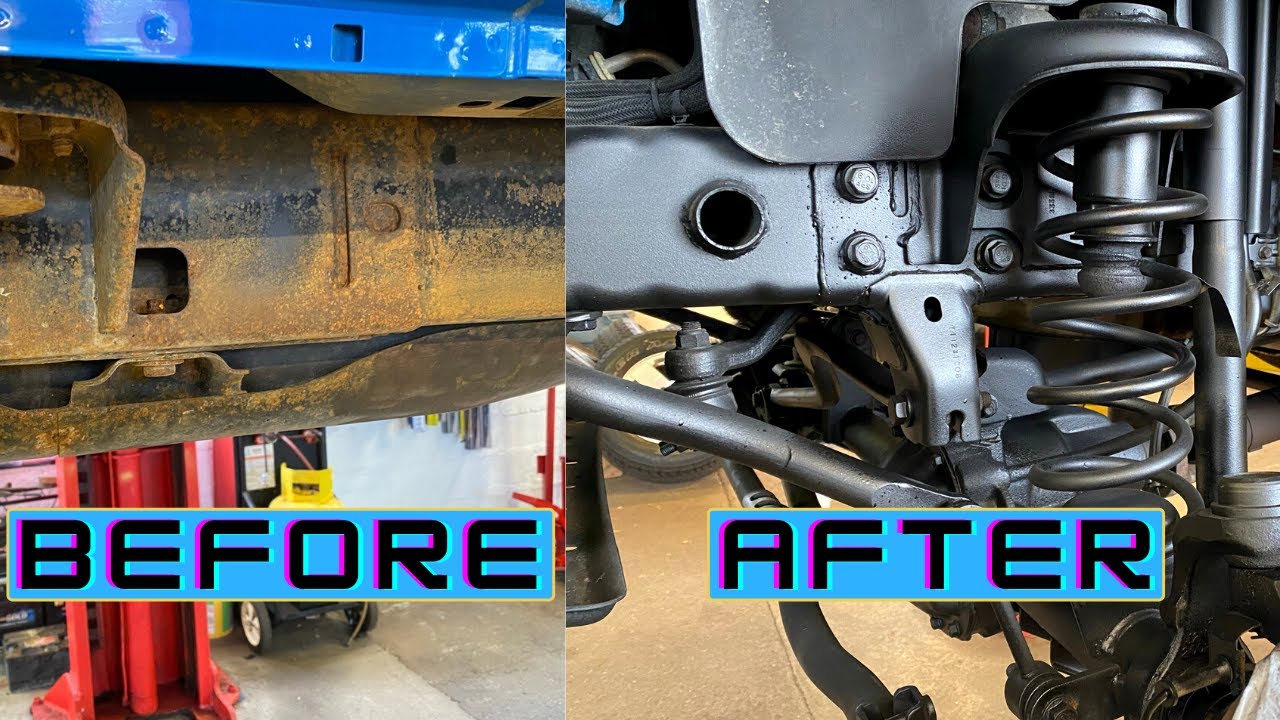
Keeping your Jeep in top condition is more than washing and waxing. If you drive off-road, through mud, or in winter salt, you know how tough the elements can be. Rust is the enemy of any vehicle, especially Jeeps. Undercoating is one of the best ways to protect your Jeep’s underside from rust, corrosion, and damage.
This guide will show you how to undercoat a Jeep step-by-step, help you choose the right products, and share some mistakes to avoid. Whether you’re new to car maintenance or a seasoned Jeep owner, you’ll find practical advice here.
What Is Undercoating And Why It Matters
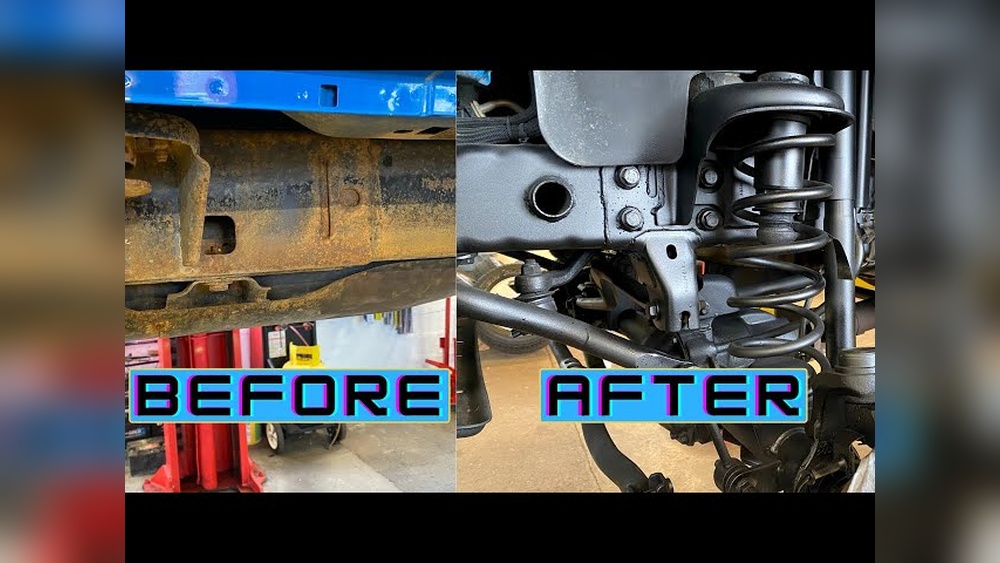
Undercoating is a protective layer sprayed or painted onto the underside of your Jeep. This layer blocks water, salt, mud, and other debris from touching the metal parts. Without undercoating, your Jeep’s frame, axles, and suspension can rust over time. According to the US Department of Transportation, road salt causes about $3 billion in vehicle damage yearly. Off-road Jeeps face even harsher conditions.
Benefits:
- Rust prevention: Stops moisture and salt from causing corrosion.
- Noise reduction: Dampens road noise in the cabin.
- Longer lifespan: Keeps key parts strong for years.
Choosing The Right Undercoating Product
There are several types of undercoating. Each has pros and cons. Here’s a quick comparison:
| Type | Durability | Application | Price Range |
|---|---|---|---|
| Rubberized Spray | High | Easy | $10-$20/can |
| Oil-Based | Medium | Moderate | $30-$60/gallon |
| Asphalt-Based | Very High | Advanced | $40-$80/gallon |
Rubberized spray is the most popular for DIY, offering good protection and easy use. Oil-based undercoating creeps into small spaces but needs reapplication. Asphalt-based is best for heavy-duty or commercial Jeeps.

Preparing Your Jeep For Undercoating
Preparation is key for a lasting result. Follow these steps:
- Clean the underside: Remove dirt, mud, and grease with a pressure washer. Let it dry fully.
- Lift the Jeep: Use a jack and secure with jack stands. Never rely on a jack alone.
- Remove rust: Scrape off loose rust with a wire brush. For heavy rust, use a grinder.
- Mask sensitive parts: Cover exhaust, brake lines, and electrical wires with tape or plastic to avoid spraying on them.
Skipping these steps is a common mistake. Undercoating over dirt or rust traps moisture, making rust worse.
How To Undercoat A Jeep: Step-by-step
Follow this simple process to apply undercoating:
- Shake the can or mix the product: For spray cans, shake well. For liquid products, stir.
- Apply in thin layers: Hold the spray can 12-18 inches from the surface. Spray evenly in smooth strokes.
- Cover all exposed metal: Focus on the frame, wheel wells, and suspension parts.
- Let each coat dry: Wait 30-60 minutes between coats, depending on product instructions.
- Apply 2-3 coats: For best protection, use multiple thin coats rather than one thick coat.
- Inspect for missed spots: Look under the Jeep with a flashlight to check coverage.
- Remove masking: Take off tape and plastic once all coats are dry.
| Step | Time Needed | Materials |
|---|---|---|
| Cleaning | 30-60 min | Pressure washer, degreaser |
| Rust Removal | 20-40 min | Wire brush, grinder |
| Masking | 15-30 min | Tape, plastic sheets |
| Undercoating | 1-2 hours | Undercoating spray/liquid |
Most DIY jobs take about 3-5 hours. You can finish in one day.

Pro Tips For Better Results
- Work in a ventilated area: Undercoating fumes can be strong.
- Wear gloves and goggles: Protect your skin and eyes.
- Avoid rainy days: Humidity slows drying and can cause bubbles.
- Check product compatibility: Some undercoating reacts poorly with older paint or coatings.
A common beginner mistake is using too much product at once. Thick coats can crack and peel.
Another overlooked tip: Use a rust converter before undercoating if you see any rust. This changes rust into a stable surface, improving protection.
Maintaining Your Undercoating
Undercoating is not “set and forget. ” Check it twice a year, especially after winter or muddy trips. Look for chips, cracks, or peeling. Fix damaged spots right away with new spray.
According to Consumer Reports, undercoating lasts 2-5 years, depending on conditions. Off-road and winter driving wears it faster.
Cost And Diy Vs Professional
Doing it yourself is cheaper and gives you control. Here’s a quick comparison:
| Method | Average Cost | Time Needed | Skill Level |
|---|---|---|---|
| DIY | $40-$120 | 3-5 hours | Beginner-Intermediate |
| Professional | $200-$500 | 1-2 days | Advanced |
DIY undercoating is a good project if you have basic tools and patience. Professional shops use special products and tools, but the cost is much higher.
For more details on vehicle rust prevention, see Consumer Reports.
Frequently Asked Questions
How Often Should I Undercoat My Jeep?
Every 2-5 years is enough for most drivers. If you drive in salty or muddy areas, check and touch up yearly.
Can I Undercoat Over Existing Rust?
No. Remove all loose rust first. Use a rust converter for light rust, then undercoat.
Is Undercoating Safe For All Jeeps?
Yes, but always mask brake lines, exhaust, and wiring. Avoid spraying moving parts.
Will Undercoating Void My Warranty?
Check your Jeep’s warranty. Most warranties allow undercoating, but confirm before applying.
Is Undercoating Worth The Money?
For off-road or winter driving, yes. It prevents expensive rust repairs and keeps your Jeep strong.
Protecting your Jeep’s underside is one of the smartest steps you can take. With clear prep, the right product, and careful application, you can guard against rust and damage for years. Undercoating is an investment that pays off every time your Jeep faces tough roads or harsh weather.