Fixing a Jeep bumper is a task that many owners face, especially if you enjoy off-roading or drive in tough conditions. A damaged bumper not only affects your Jeep’s appearance but can also impact safety. The good news is, with the right tools and a bit of patience, you can repair or replace your Jeep bumper at home.
This guide walks you through the main steps, highlights common mistakes, and gives you practical tips that many beginners miss.
Understanding Jeep Bumper Damage
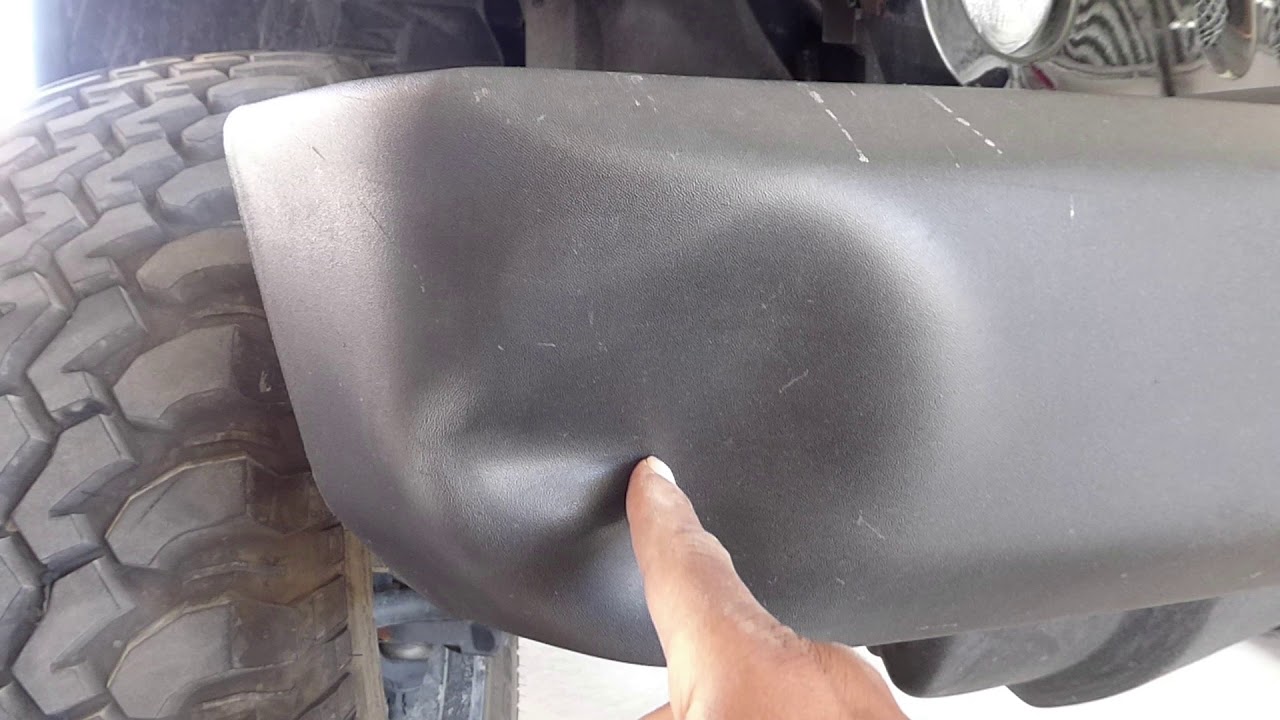
Before you start, it’s important to know what kind of damage you’re dealing with. Jeep bumpers can suffer from:
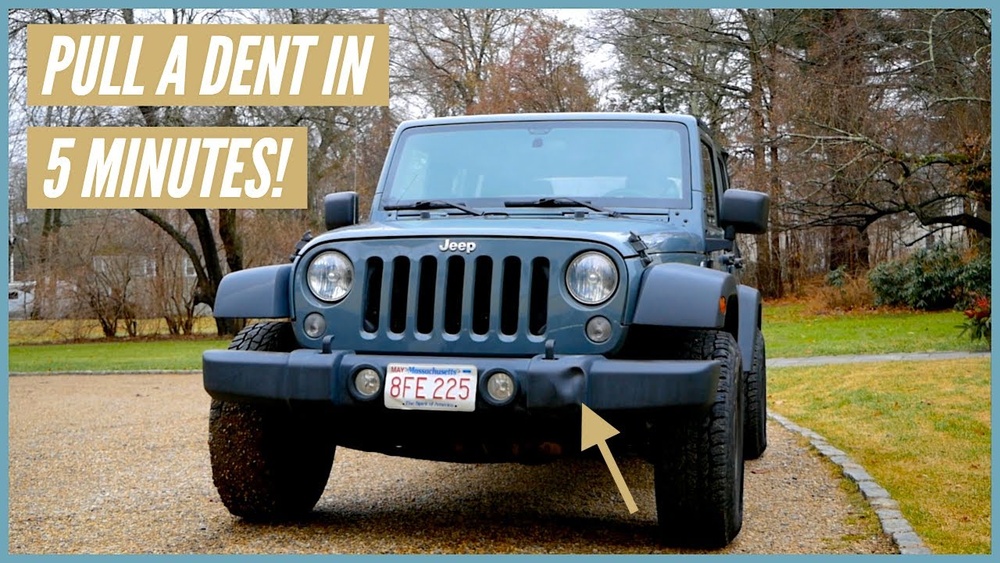
- Scratches and dents (cosmetic damage)
- Cracks or splits in plastic or composite bumpers
- Bent metal on steel bumpers
- Broken mounts or brackets
If the damage is mostly cosmetic, you can often repair it yourself. Structural damage or bent frames may require a professional.
| Damage Type | DIY Feasibility | Tools Needed |
|---|---|---|
| Scratches/Dents | Easy | Sandpaper, filler, paint |
| Cracks/Splits | Moderate | Plastic weld kit, epoxy |
| Bent Metal | Hard | Hammer, heat, replacement parts |
Tools And Materials You’ll Need
Having the right tools makes the job much easier. Most Jeep bumpers require basic hand tools, but repairs can need more.
- Socket set and wrenches
- Screwdrivers (flat and Phillips)
- Plastic trim tools
- Sandpaper (various grits)
- Filler (for plastic or metal)
- Primer and matching paint
- Epoxy or plastic weld kit (for cracks)
- Jack and stands (for safety)
- Safety glasses and gloves
You can find these at auto parts stores or online.
Step-by-step: How To Fix Your Jeep Bumper
1. Assess The Damage
First, clean the bumper to remove dirt and see the full extent of the damage. Take clear photos. This helps if you need to buy parts or ask for advice.
2. Remove The Bumper (if Needed)
Most repairs are easier if you remove the bumper. Here’s a typical removal process:
- Open the hood and locate the bumper bolts.
- Remove plastic clips and screws from the wheel wells and bottom edge.
- With help, gently pull the bumper away from the Jeep.
Tip: Keep all bolts and clips in a labeled bag so you don’t lose them.
3. Repairing Scratches And Dents
For small dents and scratches:
- Sand the area smooth with 120- to 400-grit sandpaper.
- Wipe clean.
- Apply body filler for deep dents, then sand again.
- Use primer, let dry, then paint with matching color.
Non-obvious insight: Use a hairdryer or heat gun on low to warm plastic slightly before pushing out minor dents—this prevents cracks.
4. Fixing Cracks Or Splits
For cracks in plastic bumpers:
- Drill a small hole at each end of the crack to stop it from spreading.
- Use a plastic welding kit or two-part epoxy to fill the crack.
- Sand and repaint as above.
Important: Many people forget to reinforce the crack from behind with a mesh or strip—this adds strength.
5. Straightening Bent Metal
If you have a metal bumper:
- Remove the bumper.
- Use a rubber mallet to gently tap the bent area back into shape.
- For severe bends, you may need to heat the metal with a torch.
- Sand, prime, and repaint.
6. Reinstalling The Bumper
Once repaired and dry:
- Align the bumper with mounting points.
- Reinstall all bolts, clips, and screws.
- Check alignment and gaps.
Pro tip: Test fit before final tightening—adjustments are easier when bolts are still loose.
When To Replace Instead Of Repair
Sometimes, fixing a bumper isn’t worth the effort. Replace your bumper if:
- The damage affects mounting points
- Large cracks or holes can’t be safely repaired
- The bumper is rusted through (metal types)
- Safety features like sensors are damaged
| Repair | Replace |
|---|---|
| Scratches | Massive cracks |
| Minor dents | Broken mounts |
| Small cracks | Severe rust |

Common Mistakes To Avoid
- Skipping prep: Not cleaning or sanding properly leads to poor results.
- Ignoring safety: Always wear gloves and eye protection, especially when sanding or welding.
- Using the wrong paint: Jeep bumpers often need flexible paint for plastic or rust-resistant paint for metal.
- Not reinforcing cracks: Many beginners repair only the surface, but cracks need backing for strength.
Cost Comparison: Diy Vs. Professional Repair
Here’s a quick look at what you might spend:
| Method | Estimated Cost | Turnaround Time |
|---|---|---|
| DIY (minor repair) | $40-$100 | 2-4 hours |
| Professional shop | $250-$700 | 1-2 days |
| New bumper | $200-$900+ | 2-4 hours (install) |
DIY repairs can save a lot, but only if the damage is minor and you have the right tools.

Extra Tips For Jeep Owners
- Always check if your bumper has special features like sensors or tow hooks. Disconnect wiring before removing the bumper.
- Use OEM (original equipment manufacturer) parts when replacing. They fit better and last longer.
- If off-roading often, consider upgrading to a steel or aftermarket bumper for better protection.
For more about Jeep bumper construction and materials, you can read the Wikipedia article on car bumpers.
Fixing a Jeep bumper can be satisfying and save money. You’ll also learn more about your vehicle. Take your time, don’t rush, and remember: a good repair blends safety and appearance. If the damage looks too severe, get a professional opinion.
Frequently Asked Questions
What Tools Do I Need To Fix A Jeep Bumper?
You’ll need a socket set, screwdrivers, sandpaper, filler, paint, and sometimes a plastic weld kit or epoxy. For metal bumpers, a mallet and possibly a torch are helpful.
Can I Repair A Cracked Plastic Bumper Myself?
Yes, most small cracks can be fixed at home using a plastic weld kit or strong epoxy. Drill stop-holes at each end, reinforce the back, and repaint for best results.
How Do I Match The Bumper Paint Color?
Check your Jeep’s paint code, usually found on a sticker inside the driver’s door. Buy automotive touch-up paint with this code for the closest match.
Is It Safe To Drive With A Damaged Bumper?
Minor scratches are fine, but driving with loose, cracked, or broken bumpers is risky. It may not protect you in a crash and can violate safety laws.
When Should I Replace The Bumper Instead Of Repairing It?
Replace the bumper if it has major cracks, broken mounts, severe rust, or if repairs would cost more than a new bumper. Always choose safety over saving money.