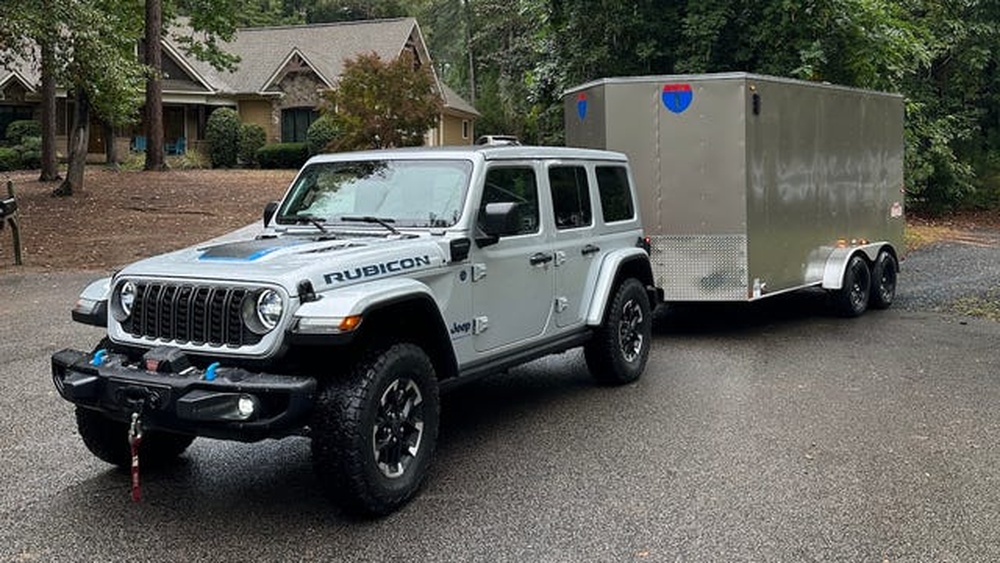
Driving a stick Jeep is both exciting and practical. Many Jeep owners love manual transmission because it gives more control, especially off-road. But if you’re new to stick shift, the process can feel confusing. This guide will help you learn how to drive a stick Jeep, step-by-step.
You’ll get clear instructions, useful tables, and tips to avoid common mistakes. Whether you want to take your Jeep on trails or just enjoy a classic driving experience, you’ll soon feel confident behind the wheel.
Understanding Stick Shift Basics
A stick shift Jeep uses a manual transmission. You select gears yourself, using a clutch pedal and gear stick. Unlike automatics, manual Jeeps require more attention and skill, but many drivers enjoy the connection to the vehicle.
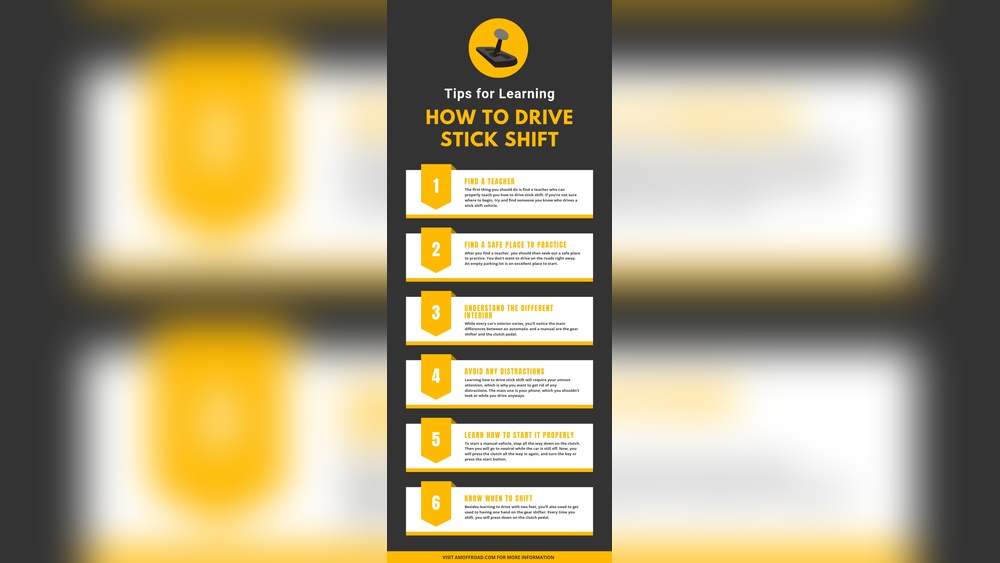
Here’s a quick comparison of manual vs automatic Jeep transmissions:
| Feature | Manual Jeep | Automatic Jeep |
|---|---|---|
| Driver Control | High | Medium |
| Fuel Efficiency | Better (often) | Good |
| Maintenance Cost | Lower | Higher |
| Ease of Use | Harder | Easier |
| Off-road Performance | Excellent | Very Good |
Preparing To Drive
Before you start, check these points:
- Seat Position: Adjust your seat so you reach pedals comfortably.
- Clutch Familiarity: Locate the clutch (far left pedal). Practice pressing it fully.
- Gear Stick: Review gear positions. Most stick Jeeps have five or six gears plus reverse.
A typical gear layout looks like this:
| Gear Position | Direction |
|---|---|
| 1st Gear | Left, Up |
| 2nd Gear | Left, Down |
| 3rd Gear | Middle, Up |
| 4th Gear | Middle, Down |
| 5th Gear | Right, Up |
| Reverse | Far Right, Down (sometimes Up) |
Pro Tip: Some Jeeps require you to push the gear stick down before shifting into reverse.

How To Start And Move A Stick Jeep
Starting a stick Jeep is different from an automatic. Follow these steps:
- Press the clutch all the way down.
- Turn the key or press the start button.
- Shift into 1st gear while holding the clutch.
- Release the parking brake if needed.
- Slowly release the clutch while gently pressing the gas.
- When you feel the Jeep start to move, release the clutch fully.
Common beginner mistake: Releasing the clutch too quickly causes the Jeep to stall. Practice finding the “bite point,” where the clutch engages the engine.
Shifting Gears
Once you’re moving, you’ll need to shift gears as speed increases. Here’s how:
- Press the clutch before changing gears.
- Move the gear stick to the next gear (2nd, 3rd, etc. ).
- Release the clutch smoothly while pressing the gas.
Use this guide for when to shift:
| Gear | Speed Range (mph) | RPM Range |
|---|---|---|
| 1st | 0–10 | 1500–2500 |
| 2nd | 10–20 | 2000–3000 |
| 3rd | 20–30 | 2000–3000 |
| 4th | 30–40 | 2000–3000 |
| 5th | 40+ | 2000–3000 |
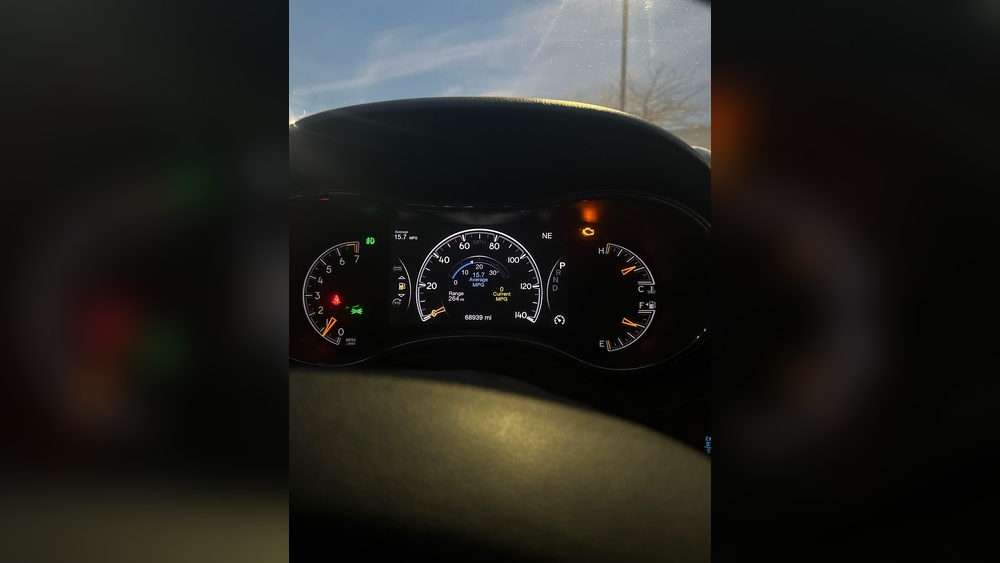
Non-obvious insight: RPM (revolutions per minute) matters more than speed. Shift when RPMs get near 3000 to avoid engine strain.

Stopping And Parking
To stop a stick Jeep:
- Press the clutch and brake together.
- Shift to neutral.
- Release the clutch and keep the brake pressed.
- Set the parking brake.
Parking on hills? Always leave the Jeep in gear (1st or reverse) and set the parking brake. This prevents rolling.
Driving Stick Off-road
Jeeps shine off-road, but manual driving needs extra skill. On rough terrain:
- Use low gears for better control.
- Avoid shifting mid-climb or descent.
- Feather the clutch for tricky spots.
Experienced tip: Don’t ride the clutch (keep it partly pressed) on long hills. This can overheat and damage the clutch.
Common Mistakes And How To Avoid Them
Many beginners face similar problems:
- Stalling: Happens when the clutch is released too quickly.
- Gear grinding: Occurs if the clutch isn’t fully pressed before shifting.
- Rolling backwards: On hills, use the handbrake to hold position while starting.
- Over-revving: Shifting too late causes high engine RPM and wear.
Real world example: New Jeep drivers often stall at stop signs. Practice in an empty parking lot to build confidence.
Improving Your Stick Driving Skills
Practice is key. Try these exercises:
- Hill starts: Practice with the handbrake to prevent rolling back.
- Smooth shifting: Focus on clutch timing and gas control.
- Downshifting: Learn to shift to lower gears when slowing down, not just when stopping.
Non-obvious insight: Listen to the engine sound. You’ll know when to shift even without looking at the RPM gauge.

Safety Reminders
Always pay attention to traffic and surroundings. Manual driving can distract new drivers. Avoid texting or adjusting the radio while shifting.
If you want more advanced tips, visit the Wikipedia Manual Transmission Guide.
Frequently Asked Questions
What’s The Hardest Part About Driving A Stick Jeep?
The hardest part is starting from a stop without stalling, especially on hills. It takes practice to coordinate the clutch and gas pedal.
Can I Drive A Stick Jeep Off-road If I’m A Beginner?
Yes, but start slow. Use low gears and avoid steep climbs until you’re confident. Try easy trails first and practice clutch control.
How Do I Avoid Stalling The Engine?
Release the clutch slowly while adding gas. Find the “bite point” where the Jeep starts to move, then continue releasing the clutch smoothly.
Is It Bad To Keep The Jeep In Neutral When Parked?
Yes. Always park in gear (1st or reverse) and set the parking brake. This prevents the Jeep from rolling.
How Can I Shift Gears More Smoothly?
Practice timing. Press the clutch fully, shift quickly but gently, then release the clutch slowly while adding gas. Listen to engine sound and watch RPMs for best results.
Learning to drive a stick Jeep is a skill worth mastering. With practice, you’ll enjoy more control, better off-road performance, and a true connection to your vehicle. Start slow, use these tips, and soon you’ll handle any road or trail with confidence.