Flushing the coolant in your Jeep Wrangler is more than routine maintenance—it’s key to keeping your engine healthy. Over time, coolant breaks down and can collect rust, debris, and scale, which can lead to overheating or expensive repairs. Many Jeep owners delay this service, thinking it’s complicated. In reality, with the right guidance and tools, you can flush your Wrangler’s cooling system in your own driveway. This article will walk you through each step, explain why flushing is necessary, and highlight important details many beginners overlook.
Why Flushing Coolant Matters
Coolant (also called antifreeze) does more than just keep your engine from freezing or overheating. It also protects against rust and lubricates the water pump. Old coolant loses these properties, which can cause:
- Corrosion in the radiator and engine block
- Scale buildup that restricts coolant flow
- Water pump failure due to poor lubrication
Jeep recommends flushing the coolant every 100,000 miles or every 5 years (whichever comes first), but harsh driving or extreme climates can make more frequent service necessary.
Tools And Materials You’ll Need
Before you start, gather these items:
- Coolant (as specified in your Wrangler’s manual)
- Distilled water (not tap water)
- Coolant flush solution (optional but helpful)
- Large drain pan (holds at least 2 gallons)
- Socket set or wrench
- Flathead screwdriver
- Funnel
- Gloves and safety glasses
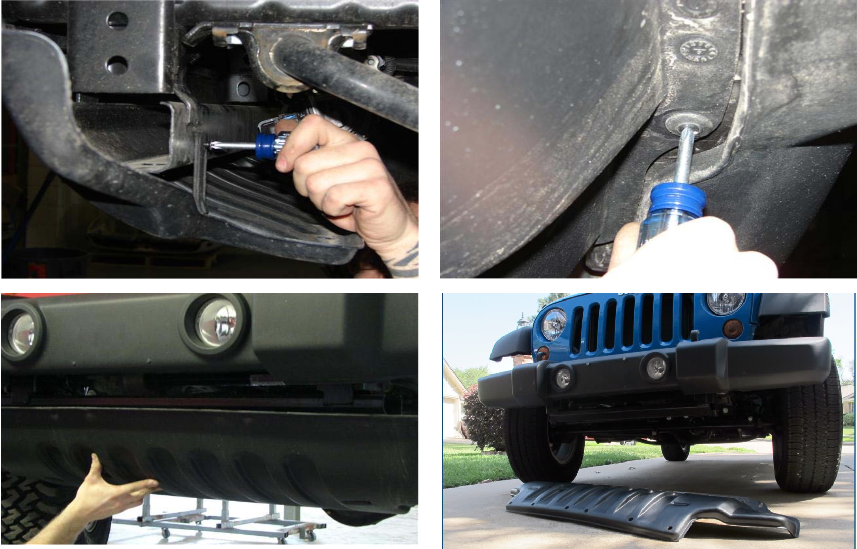
- Jack and jack stands (if extra clearance is needed)
- Shop towels
Not all coolants are the same. For most modern Jeep Wranglers, HOAT (Hybrid Organic Acid Technology) coolant is recommended. Always check your owner’s manual for the exact type.
Step-by-step Guide To Flushing Coolant
1. Prepare The Vehicle
Let your engine cool completely before starting. Hot coolant can cause severe burns. Park your Jeep on a level surface and engage the parking brake.
2. Drain The Old Coolant
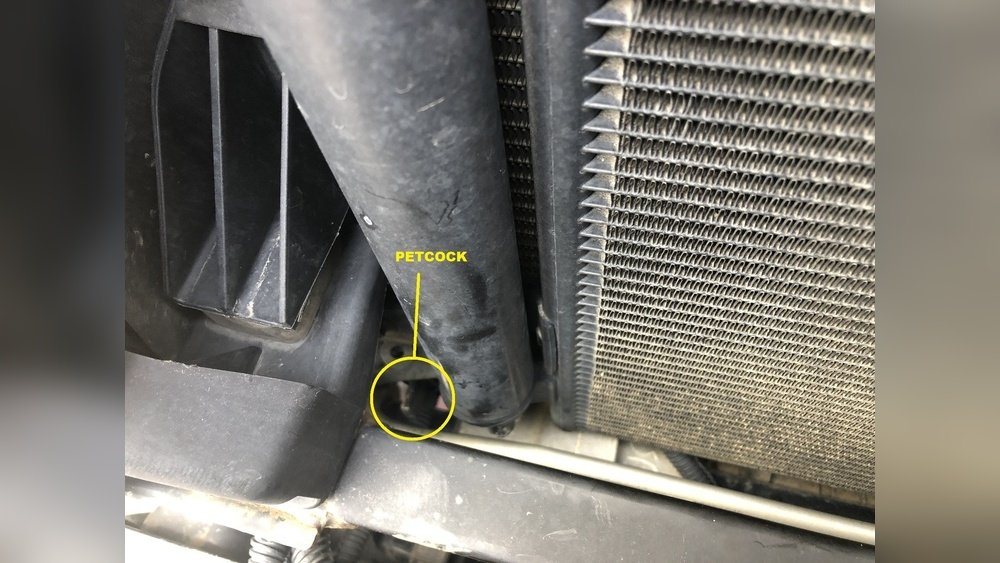
- Place the drain pan under the radiator drain plug (petcock).
- Open the radiator cap to release pressure.
- Unscrew the drain plug and let coolant drain fully.
- If your Jeep doesn’t have a drain plug, loosen the lower radiator hose clamp and carefully pull the hose off.
Tip: Open the heater controls to max, which helps flush coolant from the heater core.
3. Flush The System
- Reinstall the drain plug or hose.
- Fill the radiator with distilled water or a flush solution mixed with water.
- Start the engine and let it run with the heater on high for 10–15 minutes.
- Turn off the engine and let it cool.
- Drain the system again.
Repeat this flush step until the drained water is clear, usually 2–3 cycles.
4. Add New Coolant
- With the drain plug closed, use a funnel to pour in the correct mix of coolant and distilled water (usually a 50/50 mix).
- Fill the radiator and the coolant reservoir to the recommended levels.
- Leave the radiator cap off and start the engine. Watch for air bubbles as the engine warms up.
- Squeeze the upper radiator hose to help remove trapped air.
- Top off as needed, then securely close the radiator cap.
5. Check For Leaks And Final Steps
Inspect under the Jeep for leaks. Drive for a short distance, then recheck the coolant level after the engine cools.
Comparing Coolant Types
Jeep Wranglers require specific coolant types. Here’s a quick comparison to avoid mistakes:
| Coolant Type | Color | Main Use | Service Life |
|---|---|---|---|
| HOAT | Orange/Yellow | Modern Jeeps (2001+) | 5 years/100,000 miles |
| IAT | Green | Older Jeeps (pre-2001) | 2 years/30,000 miles |
| OAT | Purple/Orange | Latest models | 10 years/150,000 miles |
Mixing different coolants can cause gelling or poor performance. Always match the coolant type to your Jeep’s requirements.

Common Mistakes To Avoid
Many first-time DIYers make avoidable errors when flushing their Wrangler’s cooling system. Here are the top pitfalls:
- Using tap water instead of distilled water: Tap water adds minerals that cause scale.
- Forgetting to bleed air: Trapped air can cause overheating. Always check for bubbles.
- Overfilling or underfilling: Too much or too little coolant affects pressure and engine safety.
- Mixing coolant types: This can damage the system and even void warranties.
When To Call A Mechanic
Some jobs are best left to professionals. If you notice rusty coolant, oil in the coolant, or persistent leaks, it may signal a bigger problem like a blown head gasket. Also, if you are not comfortable lifting the Jeep or handling chemicals, visit a certified mechanic.
Estimated Costs And Time
Here’s a quick look at what you can expect:
| Service Type | DIY Cost | Shop Cost | Time Needed |
|---|---|---|---|
| Coolant + Supplies | $35–$60 | — | 1–2 hours |
| Professional Flush | — | $120–$200 | 1–2 hours |
DIY is much cheaper but requires attention to detail. For more on coolant types and Jeep service intervals, you can check the official Jeep maintenance guide.
Practical Tips For A Successful Flush
- Always dispose of old coolant at a recycling center. Used coolant is toxic to pets and the environment.
- Mark your calendar for the next flush as coolant degrades slowly.
- Wear gloves—coolant can irritate your skin.
- Label spare coolant and water containers to avoid mixing them up.
Frequently Asked Questions
How Often Should I Flush Coolant In My Jeep Wrangler?
Most Jeep Wranglers need a coolant flush every 5 years or 100,000 miles. If you drive in extreme conditions, check the coolant every two years.
Can I Use Any Coolant For My Jeep Wrangler?
No. Use only the coolant type recommended in your owner’s manual (usually HOAT or OAT). Using the wrong type can cause engine problems.
What Happens If I Don’t Flush The Coolant?
Skipping coolant flushes leads to rust, scale, and engine overheating. It can also shorten the life of your water pump and radiator.
Is It Safe To Flush Coolant Myself?
Yes, if you follow safety steps, let the engine cool, and use the correct tools. If you see leaks or contamination, consider professional help.
Do I Need To Flush The Heater Core As Well?
Yes. Running the heater on high during the flush helps clean the heater core. It’s an important part of a complete coolant flush.
Flushing your Jeep Wrangler’s coolant may seem intimidating, but it’s a straightforward task when you have the right information. Taking the time to do it properly protects your engine, saves money, and ensures your Wrangler is ready for your next adventure.