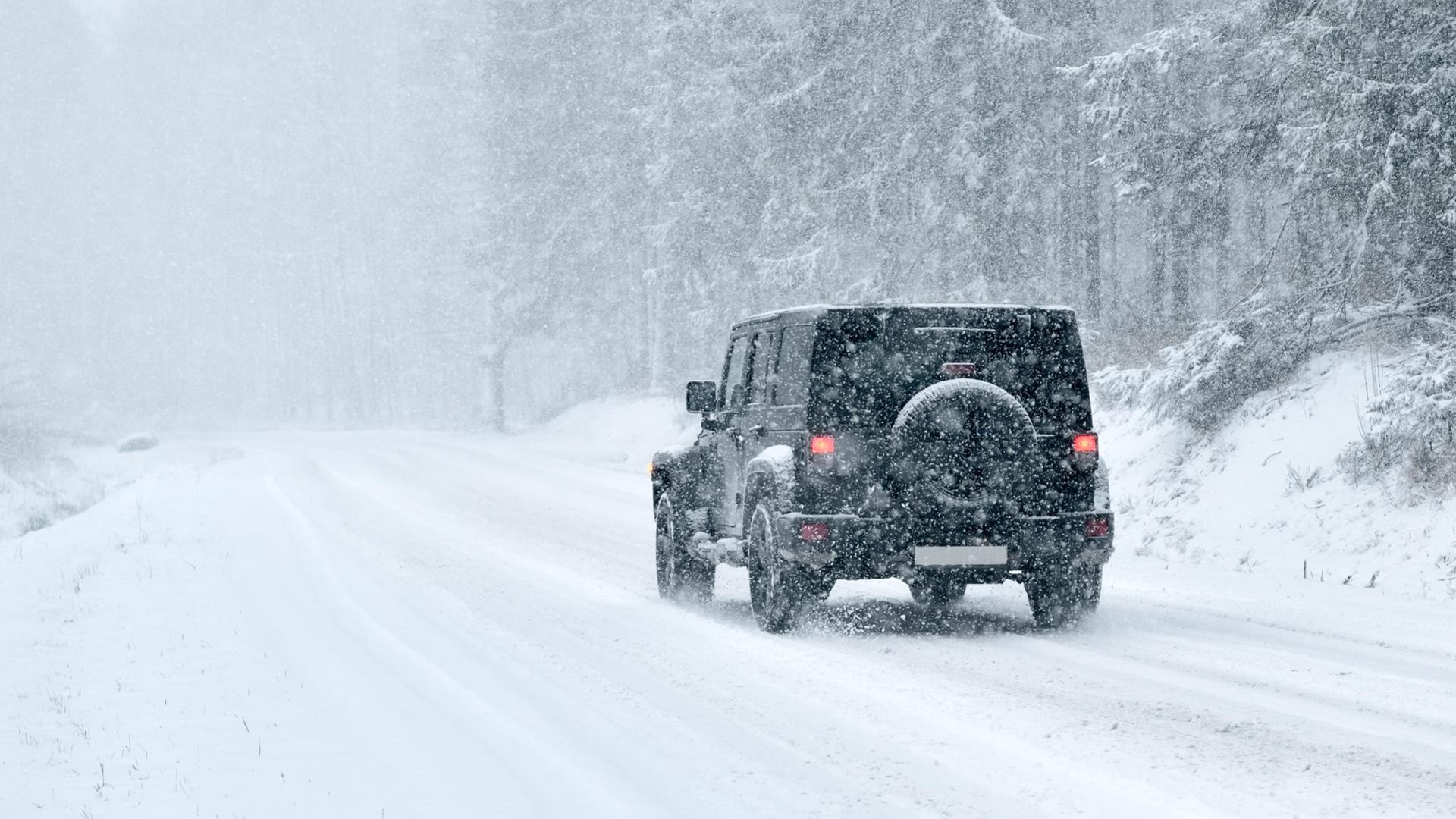
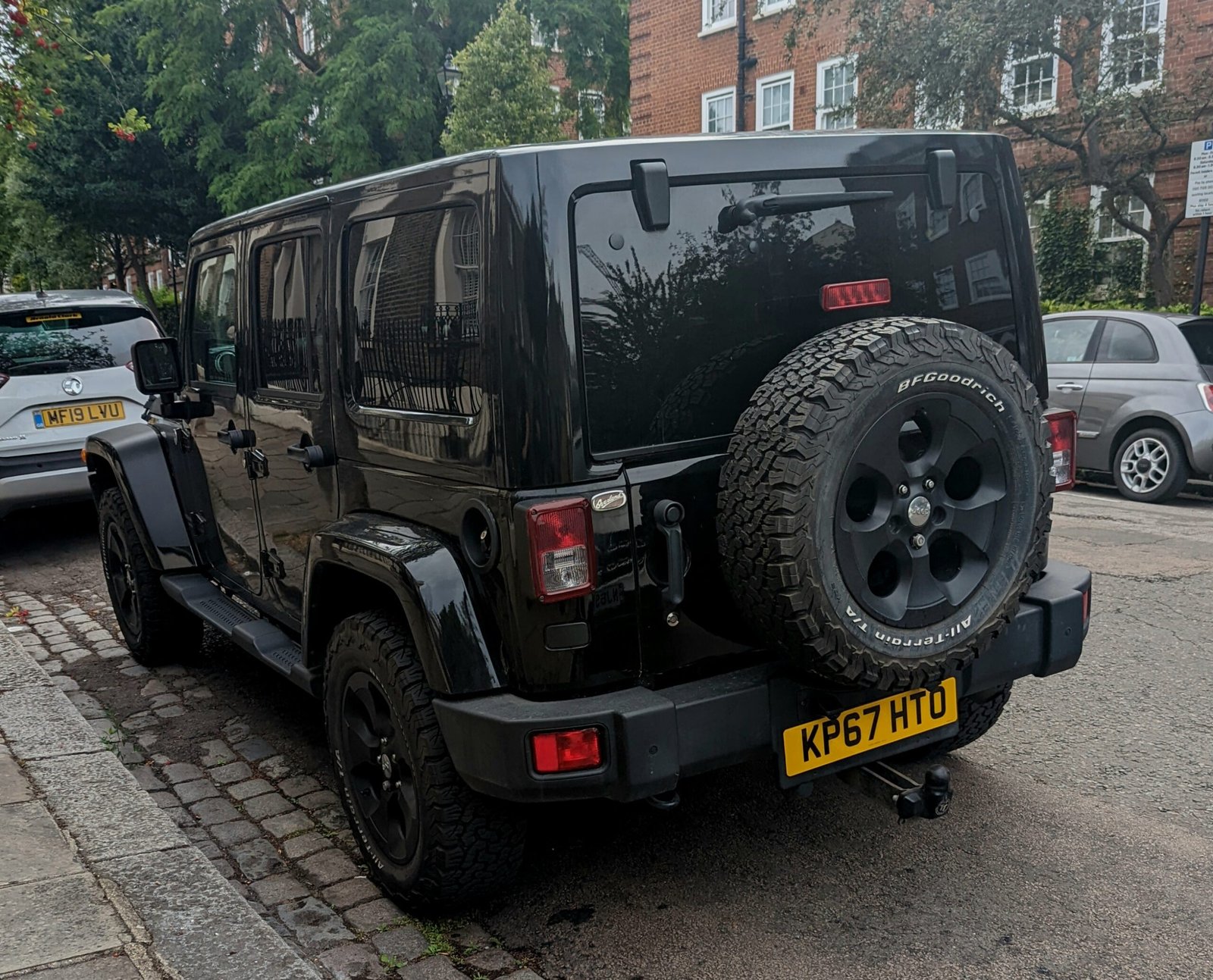
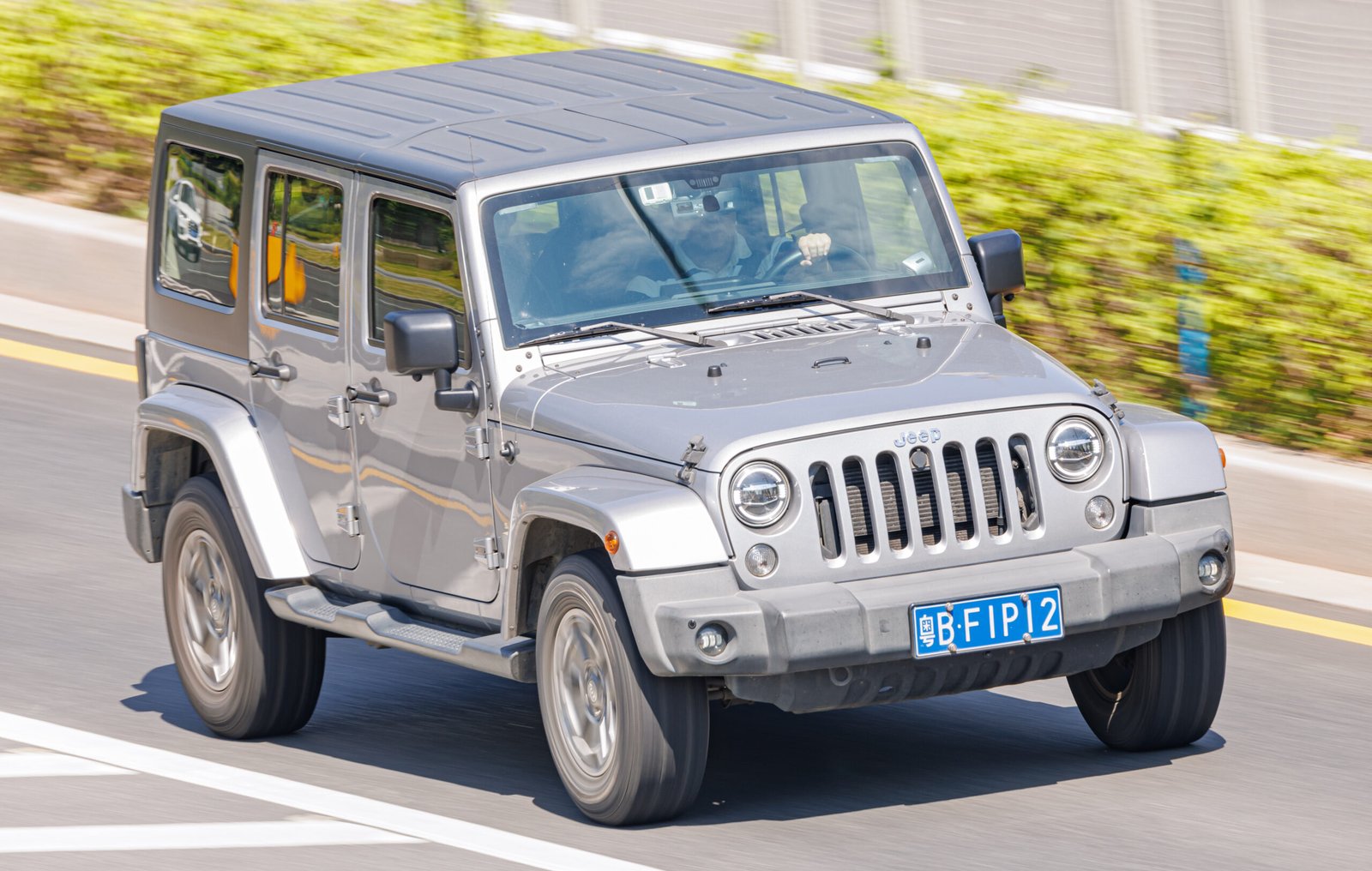
Driving a Jeep in snowy conditions can be thrilling, but it also comes with challenges. Many Jeep owners love their vehicles for off-road capability, but snow requires a different set of skills and preparation. Whether you’re heading into the mountains or facing winter roads in your city, knowing how to drive your Jeep safely in snow makes all the difference.
This guide will help you understand key strategies, common mistakes, and useful tips to keep your Jeep under control when snow covers the ground.
Preparing Your Jeep For Snow
Getting your Jeep ready before the snow falls is essential. Preparation improves safety and performance.
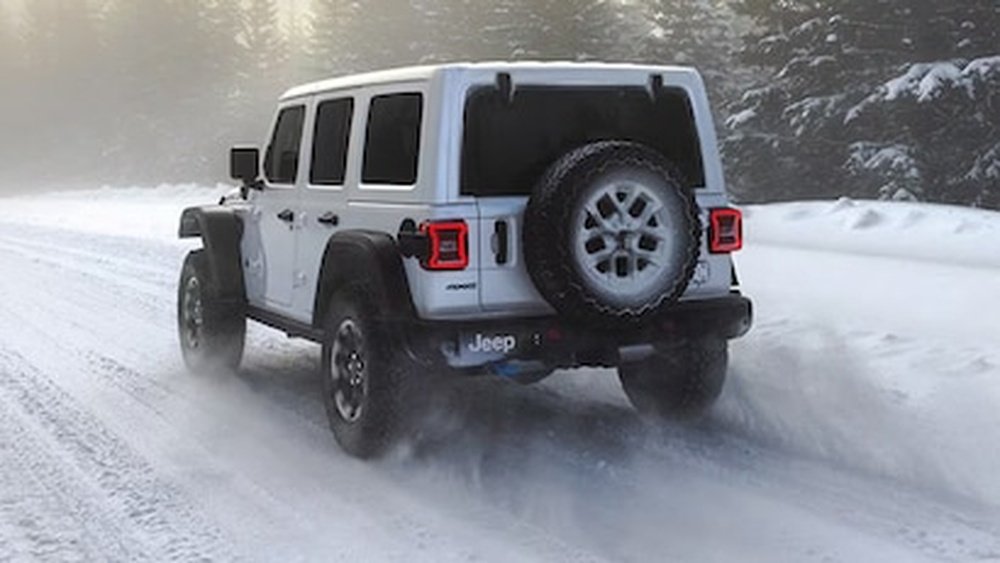
- Winter tires: All-season tires are not enough for deep snow. Install winter tires with deeper tread and softer rubber for better grip.
- Check fluids: Make sure your antifreeze and windshield washer fluid are rated for cold temperatures.
- Battery health: Cold weather weakens batteries. Test your battery or replace it if it’s over 3 years old.
- Inspect brakes: Brakes must respond quickly in snow. Check pads and rotors for wear.
- Emergency kit: Carry a kit with a shovel, jumper cables, flashlight, and blankets.
Here’s a comparison of tire types for winter driving:
| Tire Type | Grip in Snow | Durability | Cost (Average) |
|---|---|---|---|
| All-Season | Moderate | High | $100/tire |
| Winter | Excellent | Medium | $150/tire |
| Mud-Terrain | Poor | High | $200/tire |
Driving Techniques For Snowy Roads
Snow changes how your Jeep responds. Adjusting your driving style is key.
Use 4wd Correctly
Most Jeeps have 4WD (four-wheel drive), but it’s not always automatic. Switch to 4WD high for normal snowy roads. Use 4WD low only in deep snow or when stuck.
Smooth Movements
Sudden actions can cause loss of control. Accelerate gently, brake slowly, and turn smoothly. Avoid sharp turns or hard braking.
Maintain Safe Distance
On snow, stopping distances can be up to 10 times longer than on dry roads. Stay at least 6 seconds behind the car in front of you.
Know Your Jeep’s Limits
Every model handles snow differently. For example, a Jeep Wrangler with solid axles might have more traction in deep snow than a Jeep Cherokee. Test your Jeep in an empty parking lot to learn its feel.
Here’s a quick comparison of Jeep models in snow:
| Jeep Model | Traction in Snow | Ground Clearance | 4WD System |
|---|---|---|---|
| Wrangler | Excellent | 10.8 in | Part-time |
| Cherokee | Good | 8.7 in | Active |
| Grand Cherokee | Very Good | 8.6 in | Full-time |
Handling Hills And Turns
When climbing hills, keep steady speed and avoid stopping mid-way. Going downhill, shift to a lower gear and brake gently. For turns, slow down before entering, then steer smoothly.
Recovering From A Slide
If your Jeep starts sliding, remove your foot from the gas, steer gently in the direction you want to go, and avoid braking hard. Many drivers panic and overcorrect, which makes sliding worse.

Common Mistakes To Avoid
Even experienced drivers make errors in the snow. Here are a few to watch out for:
- Overconfidence in 4WD: Four-wheel drive helps you move, but it does not help you stop faster.
- Ignoring tire pressure: Cold weather lowers tire pressure. Check it weekly, since underinflated tires reduce traction.
- Using cruise control: Never use cruise control in snow. It can cause your Jeep to accelerate or brake unexpectedly.
- Braking too late: Waiting too long to brake means less time to stop. Start slowing down earlier than usual.
Many beginners forget to clear snow from the roof or hood. If you don’t, snow can slide onto your windshield while driving, blocking your view.
Practical Tips For Jeep Owners
Here are some expert strategies to help you stay safe:
- Reduce speed: Drive at least 10 mph slower than usual in snowy conditions.
- Keep headlights on: Even during the day, snow lowers visibility. Headlights help others see you.
- Avoid deep snow unless prepared: If you must drive in deep snow, bring traction boards and recovery straps. Don’t risk getting stuck alone.
A non-obvious tip: If you feel your Jeep struggling, try gently rocking it forward and backward using reverse and drive. This can help break free from compacted snow.
Another insight: Many Jeeps have traction control systems. If your wheels spin, turning off traction control temporarily can help gain momentum, especially when stuck.

Maintenance After Driving In Snow
After a snowy drive, take care of your Jeep to keep it in good shape:
- Wash off salt and sand. These can cause rust, especially on the frame and underbody.
- Check brakes and tires for wear.
- Refill washer fluid and check battery status.
Here’s a comparison of maintenance frequency in winter:
| Maintenance Task | Recommended Frequency | Importance |
|---|---|---|
| Tire Pressure Check | Weekly | High |
| Brake Inspection | Monthly | Medium |
| Wash Undercarriage | Bi-weekly | High |
Frequently Asked Questions
How Do I Switch My Jeep To 4wd In Snow?
Most Jeeps have a lever or button to engage 4WD. For snowy roads, use 4WD high. Read your owner’s manual for exact steps.
Can I Drive A Jeep In Deep Snow Without Modifications?
You can drive in moderate snow, but for deep snow, consider upgrades like all-terrain tires and higher ground clearance. Always carry recovery gear.
Is It Safe To Use Automatic Transmission In Snow?
Yes, automatic transmission works fine. Use a lower gear for hills or slippery areas to avoid wheel spin.
What Should I Do If My Jeep Gets Stuck In Snow?
First, clear snow around the tires. Use traction boards or sand for grip. Gently rock the Jeep forward and backward. If you can’t move, call for help.
How Often Should I Check My Jeep’s Tire Pressure In Winter?
Check tire pressure once a week in winter. Cold air reduces pressure, which can lower traction and safety.
Driving your Jeep in snow can be safe and enjoyable with the right preparation and techniques. Remember to adjust your habits, respect winter conditions, and maintain your vehicle well. With confidence and care, you’ll handle snowy roads like a pro. For more detailed winter driving tips, visit Consumer Reports.