Improving fuel economy on a Jeep Wrangler is a common goal for owners. These vehicles are famous for their off-road abilities, but they’re not known for high miles per gallon (mpg).
Many Wranglers get 17–22 mpg, which is lower than many cars and SUVs. Gas prices add up quickly, especially if you drive every day.
The good news: with smart changes and habits, you can boost your Wrangler’s mpg and save money on fuel.
This guide shares practical steps you can use right away. We’ll cover driving habits, maintenance, upgrades, and common mistakes. You’ll also see real-world numbers and comparisons to help you make the best choices for your Wrangler.
Driving Habits That Boost Mpg
Your driving style has a big effect on fuel use. Small changes can make a surprising difference.
- Drive Smoothly: Fast starts and sudden stops burn extra fuel. Try to accelerate gently and coast to a stop when you can.
- Watch Your Speed: Wranglers aren’t aerodynamic. Speeds above 55 mph increase wind resistance, making your engine work harder. On highways, staying at or below the speed limit can improve mpg by 2–3 miles.
- Limit Idling: Idling for more than 30 seconds wastes gas. If you’re parked, turn off your engine.
- Use Cruise Control: On flat highways, cruise control keeps your speed steady and saves fuel.
- Plan Routes: Avoid heavy traffic and short trips. Cold engines use more fuel, so combining errands helps.
Real-world Impact
A 2020 Wrangler Unlimited averages 20 mpg city and 24 mpg highway. Drivers who accelerate gently and limit highway speeds often see 1 2 mpg more over a full tank.
Keep Your Wrangler Maintained
A well-maintained Jeep runs more efficiently. Neglecting basic care reduces mpg, sometimes by 5 10%.
- Tire Pressure: Under-inflated tires increase rolling resistance. Check monthly—Wranglers often recommend 35 psi. Each 1 psi below the target can lower mpg by 0.2%.
- Oil Changes: Use the oil type in your manual. Old or wrong oil adds friction, hurting efficiency.
- Air Filter: A clogged filter limits airflow. Replace it every 12,000–15,000 miles or as needed.
- Spark Plugs: Worn plugs misfire, wasting gas. Check every 30,000 miles.
- Alignment: Misaligned wheels drag sideways. Even slight issues reduce mpg and wear tires faster.
Maintenance Impact Table
| Maintenance Task | Potential MPG Gain |
|---|---|
| Correct Tire Pressure | +1 mpg |
| Clean Air Filter | +0.5 mpg |
| Fresh Spark Plugs | +0.7 mpg |
| Proper Wheel Alignment | +0.5 mpg |
Smart Upgrades For Better Mpg
Some modifications can help your Wrangler use less fuel. But not all upgrades are worth the cost let’s focus on what really matters.
Tire And Wheel Choices
- Lightweight Wheels: Heavier wheels need more energy to turn. Aftermarket alloys can reduce weight and add 0.5–1 mpg.
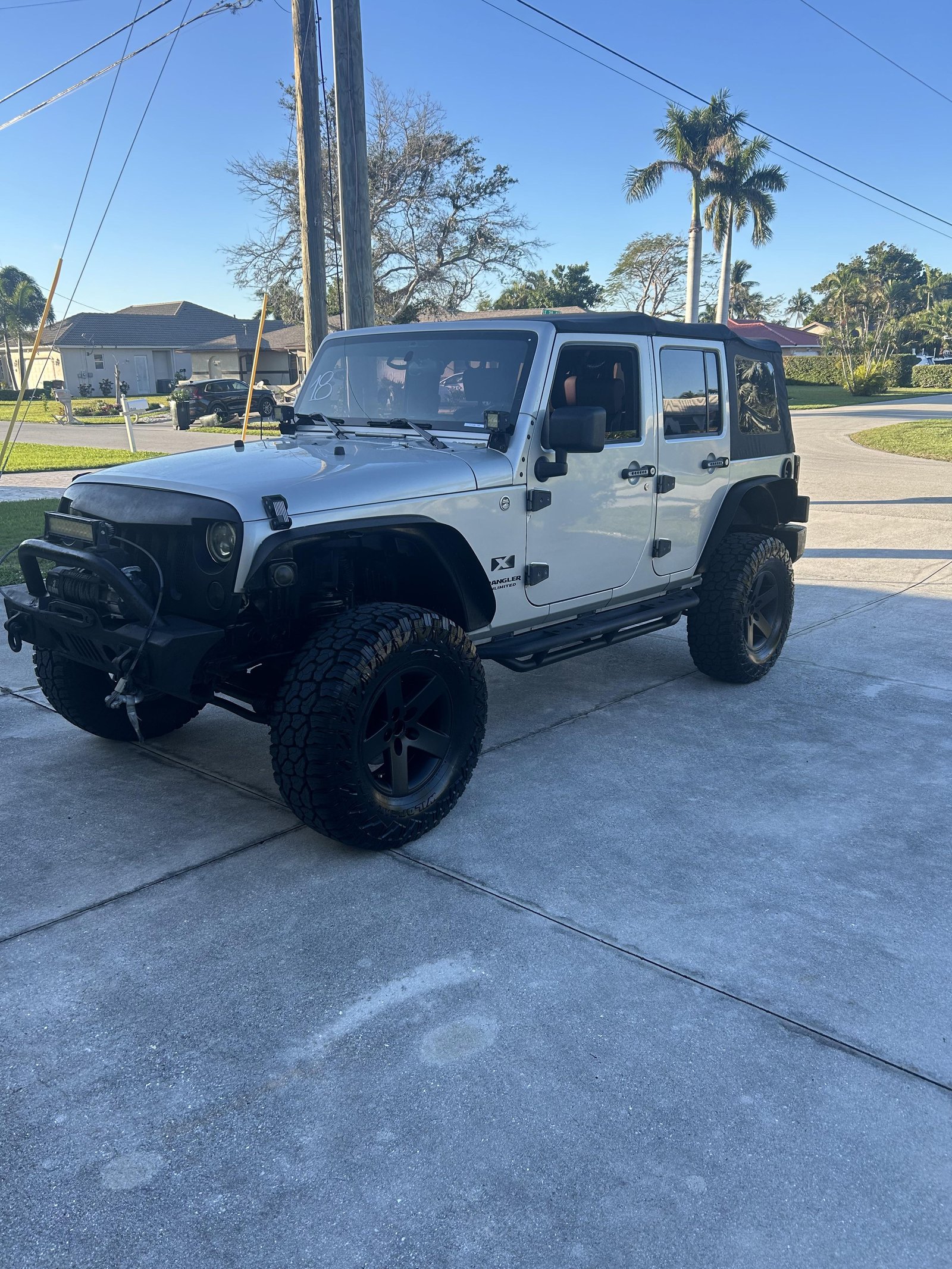
- Smaller Tires: Large, aggressive tires look cool but add rolling resistance. Stock-size, all-terrain tires usually give the best mpg.
Aerodynamics
- Remove Roof Racks: Roof racks, light bars, and cargo boxes increase drag. Take them off when not in use.
- Soft Top vs Hard Top: Hard tops are slightly more aerodynamic, but the difference is small (0.5 mpg at highway speeds).
Gearing
If you’ve added bigger tires or a lift, your gear ratios may be off. Re-gearing can bring your engine back into its ideal rpm range, sometimes adding 1 2 mpg.
Tuning And Performance Upgrades
- ECU Tuning: Some chips and tuners claim mpg gains. Results vary, but a good tune after major mods can help.
- Cold Air Intake: Real-world mpg gains are small for most daily drivers.
Upgrade Results Table
| Upgrade | Average MPG Improvement |
|---|---|
| Lightweight Wheels | +0.5 mpg |
| Stock-size Tires | +1 mpg |
| Remove Roof Rack | +0.7 mpg |
| Re-gearing | +1.5 mpg (if needed) |
Common Mistakes To Avoid
It’s easy to make changes that actually hurt mpg without realizing it.
- Oversized Tires: Popular for looks, but each inch above stock often drops mpg by 1.
- Heavy Accessories: Steel bumpers, winches, and armor add weight. Consider aluminum options.
- Aggressive Driving: Even with the best mods, harsh driving cancels out gains.
- Ignoring Check Engine Light: Small issues can add up. Get codes checked early.
Real-world Example: Stock Vs Modified Wrangler
Let’s compare two 2021 Wranglers one stock, one with big tires and a lift.
| Wrangler Setup | City MPG | Highway MPG |
|---|---|---|
| Stock Sport (All-Terrain Tires) | 20 | 24 |
| Lifted, 35″ Mud Tires | 15 | 18 |
That’s a loss of 4 5 mpg just from lifting and bigger tires. If you want off-road capability, you’ll trade some efficiency.
But careful choices can help limit the impact.
Final Thoughts
Getting better mpg on your Jeep Wrangler is possible with simple changes. Focus on smooth driving, regular maintenance, and smart upgrades. Avoid heavy accessories and oversized tires unless you really need them for off-road trips. Track your mpg after each change—small gains add up over time, especially if you drive a lot.
Improving fuel economy means lower costs and fewer stops at the pump. Even an extra 2 mpg can save hundreds of dollars each year.
With these tips, you can enjoy your Wrangler’s fun factor and spend less on gas.
For more technical advice on fuel economy, check the official Fuel Economy website.

Frequently Asked Questions
How Much Can I Improve My Wrangler’s Mpg?
Most owners can gain 1 3 mpg with better habits and maintenance. Major mods may bring bigger gains, but results depend on your setup and driving style.
For most Wranglers, regular unleaded is best. Premium gas usually doesn’t improve mpg unless your manual recommends it.
Will A Cold Air Intake Or Exhaust System Boost Mpg?
These upgrades may add a small increase (0. 5 mpg or less), but they are not cost-effective for mpg alone. They’re better for performance and sound.
Can A Tune Or Programmer Improve Fuel Economy?
A proper ECU tune after modifications (like larger tires or gears) can help regain lost mpg. Gains vary—always research your specific engine and year.
Is It Worth Switching To Low-resistance Tires?
Low-rolling-resistance tires do help, but they may sacrifice off-road grip. If you drive mostly on pavement, they’re a smart choice for more mpg.