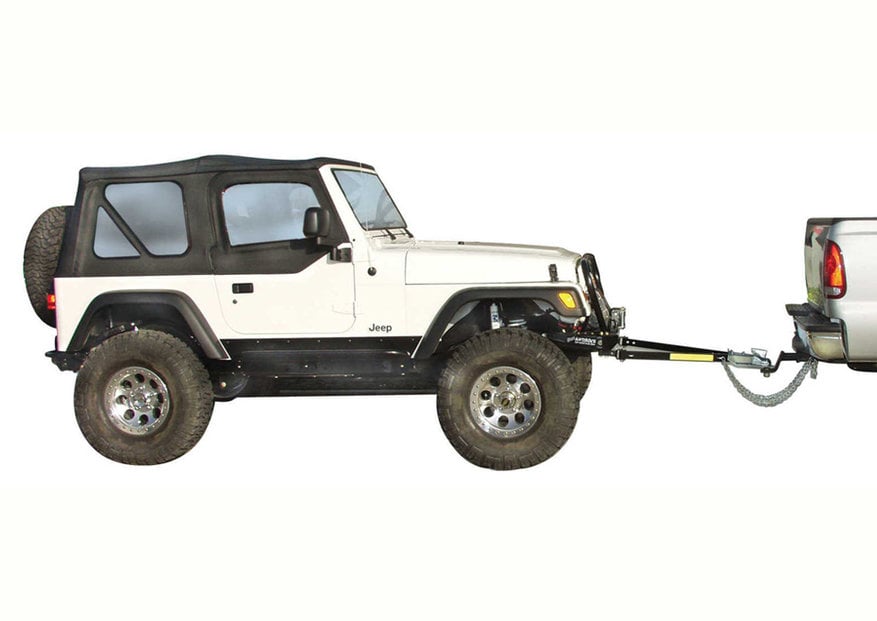
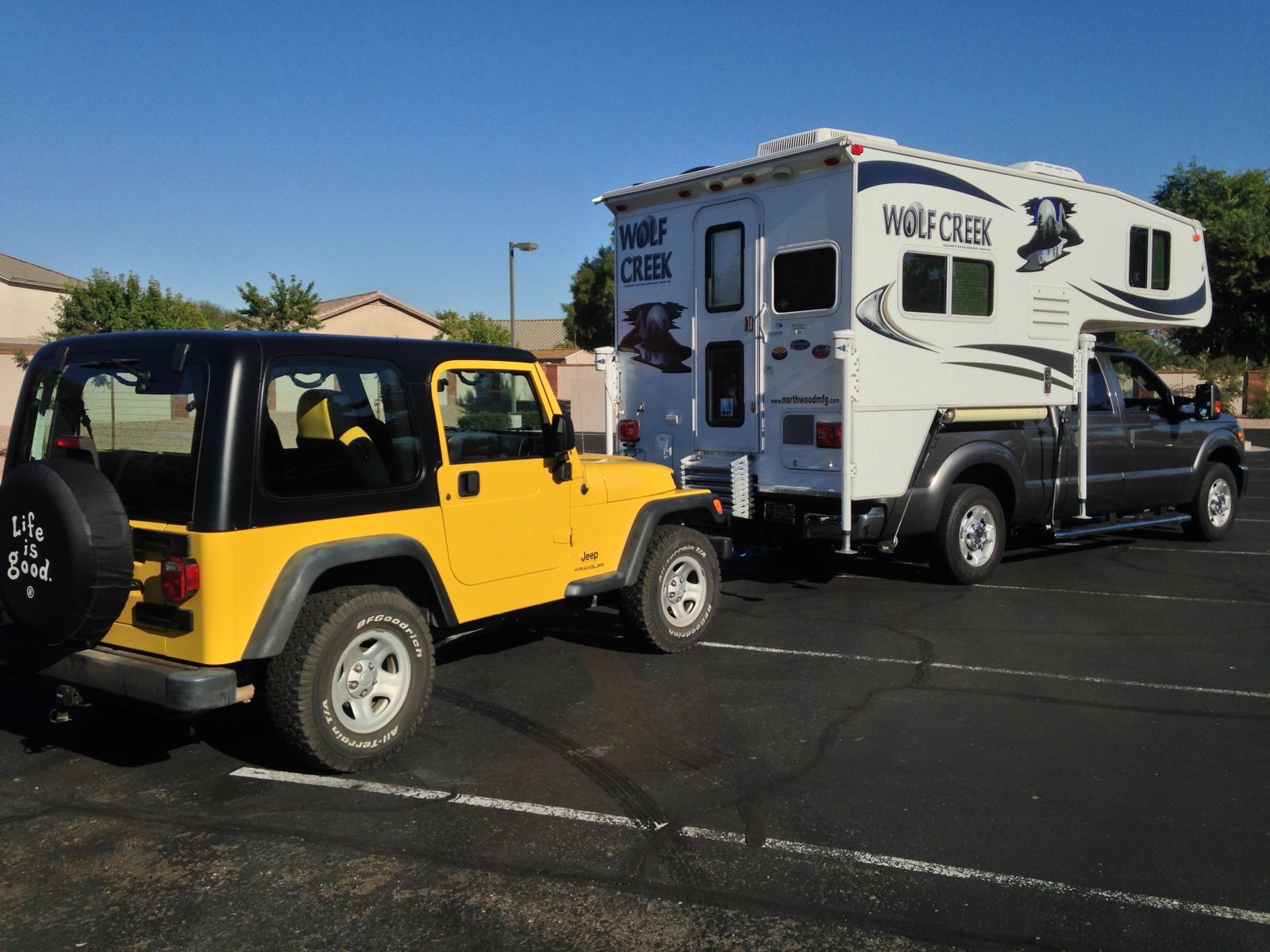
Flat towing a Jeep TJ is a popular way to bring your rugged vehicle along for adventures, especially behind an RV. Many Jeep owners love this method because it's simple and doesn't require a trailer.
But to flat tow safely, you need to know the right steps, equipment, and legal requirements.
This guide explains the essentials, highlights common mistakes, and offers practical advice for beginners and seasoned travelers alike.
Understanding Flat Towing
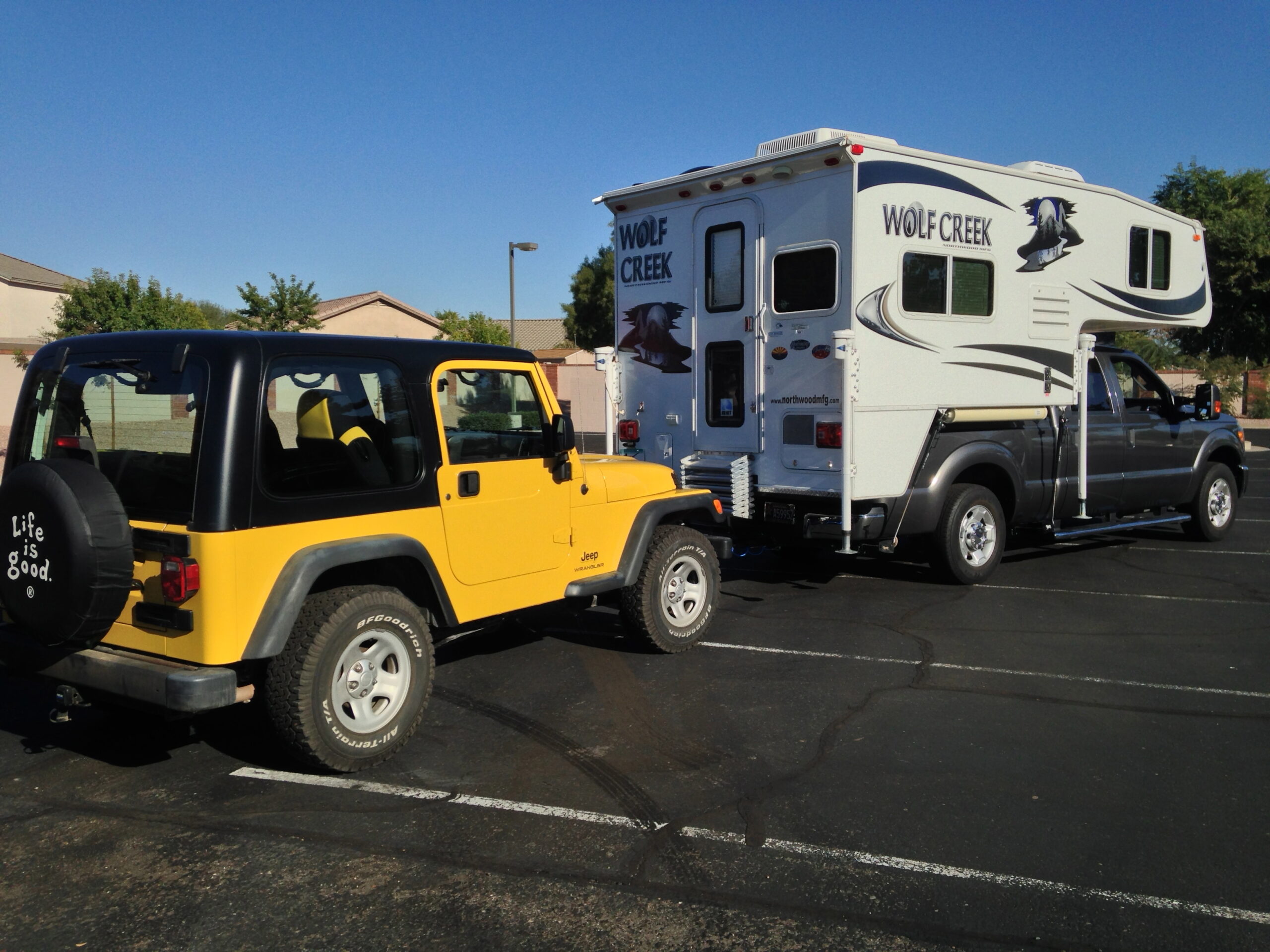
Flat towing, also known as dinghy towing, means pulling your Jeep TJ with all four wheels on the ground. Unlike dolly towing (where two wheels are off the ground), flat towing keeps your vehicle ready for quick use when you arrive. The Jeep TJ is often chosen for this because its transfer case can be set in neutral, making it safe for towing.
Here’s a quick comparison between towing methods:
| Method | Wheels on Ground | Setup Complexity | Ideal For |
|---|---|---|---|
| Flat Tow | 4 | Medium | Jeep, RV owners |
| Dolly Tow | 2 | High | Front-wheel drive cars |
| Trailer Tow | 0 | High | Any vehicle |
Essential Equipment For Flat Towing
Before towing your Jeep TJ, you need to gather the right flat towing equipment. Missing parts or cheap gear can risk damage or accidents.
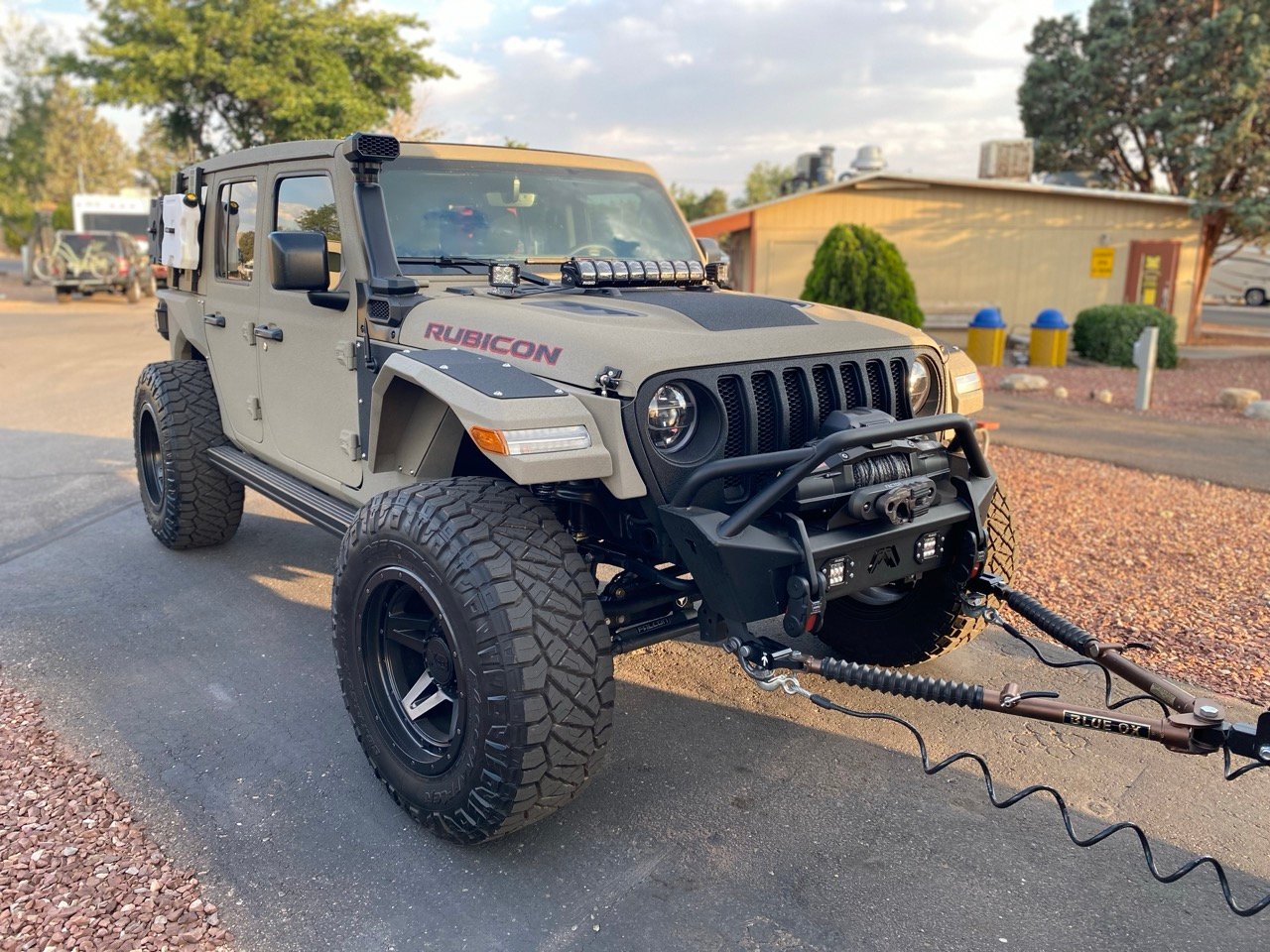
- Tow Bar: Choose a quality tow bar rated for your Jeep TJ’s weight (around 3,100 lbs). Most RV tow bars handle 5,000 lbs or more.
- Base Plate Kit: This attaches to your Jeep’s frame and connects to the tow bar.
- Safety Cables: These act as backup if the tow bar fails.
- Wiring Harness: Lets your Jeep TJ’s tail lights work with the towing vehicle.
- Brake System: In many states, you need a supplemental braking system for safety and legal reasons.
- Hitch Receiver: Make sure your RV or tow vehicle has the right receiver for your tow bar.
Here’s a quick price comparison for basic flat towing gear:
| Item | Average Price (USD) | Common Brands |
|---|---|---|
| Tow Bar | $300–$700 | Blue Ox, Roadmaster |
| Base Plate Kit | $350–$500 | CURT, Roadmaster |
| Brake System | $400–$1,200 | Brake Buddy, Blue Ox |
Step-by-step Guide: How To Flat Tow A Jeep Tj
Getting your Jeep TJ ready for flat towing takes a bit of preparation but is straightforward once you know the steps.
1. Prepare Your Jeep
- Check your owner’s manual for flat towing instructions.
- Inspect tires and brakes.
- Remove items that could fall out during towing.
2. Set The Transfer Case And Transmission
- Place the transfer case in neutral.
- Put the transmission in gear (manual) or park (automatic).
- Double-check that the transfer case is fully in neutral. If not, you risk damaging your Jeep’s drivetrain.
3. Attach The Equipment
- Install the base plate kit securely.
- Connect the tow bar to the base plates.
- Attach safety cables as backups.
- Plug in the wiring harness so your Jeep’s lights sync with your RV.
4. Install Brake System
- Set up your supplemental brake system inside the Jeep. This helps stop the Jeep if the towing vehicle brakes suddenly.
5. Final Checks
- Walk around and inspect all connections.
- Test the lights and brakes.
- Make sure nothing drags or hangs loose.
6. Start Towing
- Drive slowly for the first mile and check again.
- Watch for strange noises or handling issues.
Legal Requirements And Safety Tips
Flat towing laws differ by state. Most require brake systems for vehicles over 2,000 lbs, which includes the Jeep TJ. Some states also need extra lighting or registration for the towed vehicle.
Safety is critical:
- Never tow with passengers inside the Jeep TJ.
- Keep your speed below 65 mph for stability.
- Stop every 100 miles to check connections.
- Use only DOT-approved towing gear.
Many beginners miss the importance of checking the transfer case position—if it’s not fully in neutral, you can destroy your transmission in just a few miles. Another overlooked detail is wiring harness compatibility; cheap or mismatched harnesses often cause lighting failures.
Common Mistakes To Avoid
Flat towing is simple, but mistakes can be costly. Here are errors to watch for:
- Forgetting to unlock the steering wheel: Your Jeep needs to steer freely during towing.
- Not checking tire pressure: Low pressure causes wobbling and uneven wear.
- Skipping brake system installation: This is unsafe and often illegal.
- Using old or rusty tow bars: Weak equipment can break under stress.
- Ignoring regular checks: Connections can loosen after hours of towing.
How Flat Towing Compares To Other Methods
Flat towing is often cheaper and easier than using a trailer, but it’s not perfect. Here’s how it stacks up:
| Method | Cost | Setup Time | Vehicle Wear | Legal Requirements |
|---|---|---|---|---|
| Flat Tow | Medium | Short | Low (if done right) | Brake, lights |
| Trailer | High | Long | None | Fewer |
| Dolly | Medium | Medium | Medium | Some |
Practical Advice For Beginners
If you’re new to flat towing a Jeep TJ, start with a short practice run. Use a checklist for each trip, and always buy quality equipment. Avoid cheap tow bars or harnesses—they often break or fail. If you’re unsure about wiring or brake systems, get help from a mechanic or visit online guides like RV Safety.
Frequently Asked Questions
Is Flat Towing Safe For A Jeep Tj?
Yes, if you follow all steps and use proper equipment. Always check your transfer case and install a brake system.
Do I Need A Special Brake System?
Most states require it for vehicles over 2,000 lbs. A supplemental brake system improves safety and is often legally required.
Can I Flat Tow With An Automatic Transmission?
Yes, but always put the transfer case in neutral and follow the owner’s manual instructions.
What Speed Is Safe For Flat Towing?
Keep speeds under 65 mph. Higher speeds increase risk and cause more wear.
How Often Should I Check Connections?
Check all equipment before starting and every 100 miles during your trip.
Flat towing a Jeep TJ is easy once you know the steps and use good equipment. With careful preparation, you’ll enjoy stress-free journeys and keep your Jeep ready for adventure wherever you go.