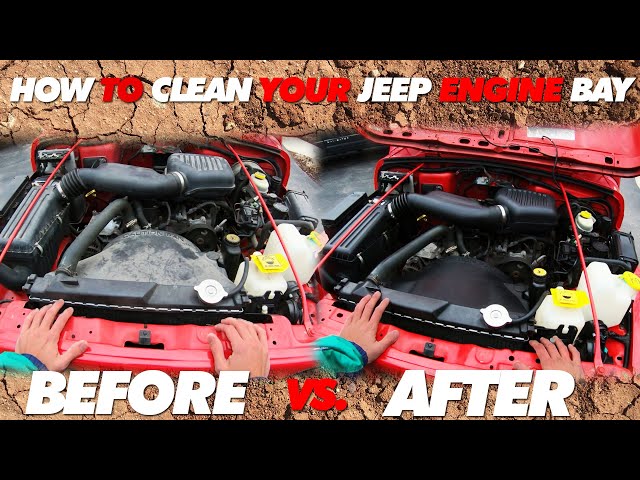
Cleaning your Jeep engine bay can seem scary, especially if you’ve never opened the hood for more than an oil check. But keeping your engine bay clean is more than just looks—it helps spot leaks, prevents corrosion, and can even improve performance. This guide will walk you through the safest way to clean your Jeep’s engine bay, with simple steps, clear warnings, and pro tips. You don’t need expensive tools or deep car knowledge, just some patience and the right method.
Why Cleaning Your Jeep’s Engine Bay Matters
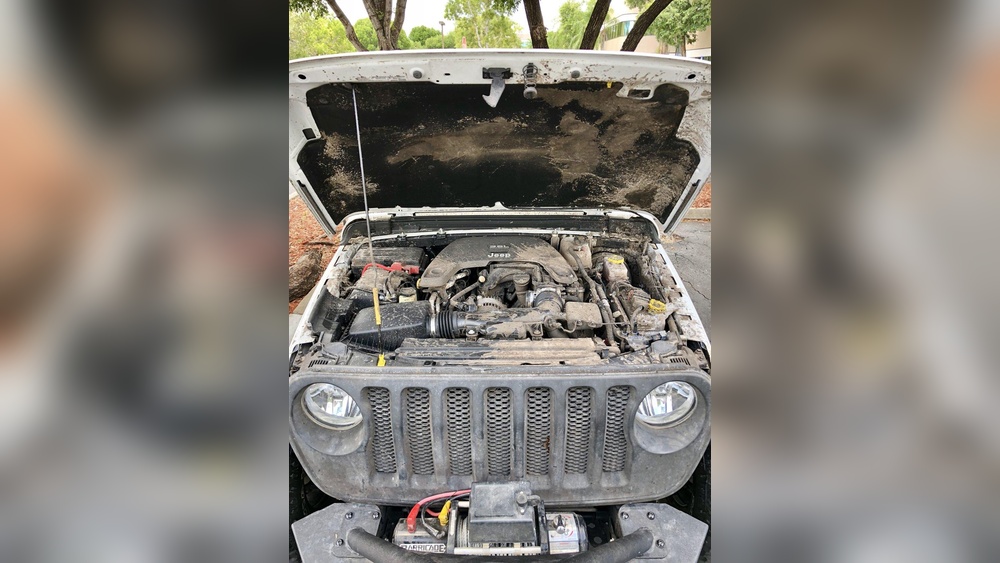
A dirty engine bay can hide problems. Oil leaks, coolant drips, and worn wires are easier to see when the area is clean. Dirt and debris can trap heat, which is bad for engine performance. Regular cleaning helps prevent rust and makes repairs less messy. For people living in areas with snow, road salt can speed up corrosion, so a clean bay is even more important.
Many Jeep owners ignore this part of maintenance. But a clean engine bay can actually increase your Jeep’s resale value. Buyers like to see a well-kept vehicle, and mechanics appreciate it, too.
What You’ll Need
Before you start, gather these items:
- Protective gloves and glasses
- Plastic bags or aluminum foil (for covering sensitive parts)
- Soft brush (paintbrush or detailing brush)
- Degreaser (engine-safe)
- Garden hose or spray bottle
- Microfiber towels or rags
- Compressed air (optional)
Never use a pressure washer—it can force water into electrical parts.

Preparing The Engine Bay
First, make sure your Jeep engine is completely cool. Cleaning a hot engine can crack parts and cause burns. Disconnect the negative battery terminal to avoid any electrical short.
Cover sensitive areas with plastic bags or foil:
- Alternator
- Exposed wiring
- Air intake
- Fuse box
- Battery (if left in place)
This step is often skipped but is key for safety. Many beginners forget to cover the alternator, which is one of the most water-sensitive parts.
Step-by-step Cleaning Process
Follow these steps for a safe, thorough cleaning:
1. Dry Brush Loose Dirt
Use a soft brush to remove loose dirt, leaves, and cobwebs. Pay attention to corners and under hoses.
2. Apply Engine Degreaser
Spray the degreaser on dirty areas, especially around oil and grease stains. Avoid soaking electrical connectors. Let it sit for 5-10 minutes, but don’t let it dry.
3. Scrub Stubborn Spots
Use your brush on greasy spots. For thick grime, a toothbrush works well in tight spaces.
4. Rinse Gently
Use a garden hose with low pressure or a spray bottle. Rinse away the degreaser and dirt. Never aim water directly at covered areas.
5. Dry And Remove Covers
Wipe everything with microfiber towels. Remove plastic covers after drying. Use compressed air for hard-to-reach spots.
6. Reconnect Battery
Reattach the negative terminal if you disconnected it.
7. Start The Engine
Let the engine run for a few minutes. This helps dry any leftover moisture and checks that everything works.
Common Mistakes To Avoid
Many people make these mistakes when cleaning their Jeep’s engine bay:
- Using high-pressure water, which can damage electronics.
- Forgetting to cover the alternator or air intake.
- Using household cleaners that can corrode engine parts.
- Not allowing the engine to cool first, risking burns.
Jeep Engine Bay Cleaning: Product Comparison
Choosing the right engine degreaser can make a big difference. Here’s a quick look at three popular options:
| Product | Type | Safe for Plastics | Average Price |
|---|---|---|---|
| Gunk Engine Degreaser | Aerosol | Yes | $5 |
| Simple Green | Spray | Yes | $8 |
| Purple Power | Spray | No | $7 |
Tip: Always check the label to be sure the product is safe for engines and plastics.
How Often Should You Clean?
Most Jeep owners should clean their engine bay every 3-6 months. If you take your Jeep off-road or drive in salty winter conditions, clean more often. After deep mud or water crossings, a quick rinse can prevent long-term damage.
Detailed Vs. Quick Clean: What’s The Difference?
Not every cleaning session needs to be a full detail. Here’s how a quick clean compares to a deep clean:
| Cleaning Type | Time Required | Best For |
|---|---|---|
| Quick Clean | 10-15 min | Removing dust & leaves |
| Deep Clean | 30-45 min | Stubborn grease, mud, oil |
If you’re selling your Jeep, do a full detail for the best impression.
Pro Tips Most Owners Miss
- After cleaning, apply a plastic or rubber protectant to hoses and plastic covers. It keeps them flexible and prevents cracking.
- If you see white or green powder on your battery terminals, clean it with a mixture of baking soda and water. Corroded terminals can cause starting problems.
- Check for loose wires or connectors after cleaning. Sometimes, brushes can knock things loose, especially in older Jeeps.
Environmental And Legal Considerations
Some cities have rules about washing cars at home. Runoff water with degreaser can pollute drains. Try to wash on gravel or grass, or use eco-friendly products. Dispose of dirty towels and used degreaser properly. For more details about legal and environmental guidelines, check resources like the EPA’s stormwater page.
Frequently Asked Questions
How Do I Know If I Need To Clean My Jeep’s Engine Bay?
If you see a layer of dust, leaves, or oil stains under the hood, it’s time for a clean. Strange smells or visible leaks are also signs.
Can I Use A Pressure Washer?
No. Pressure washers can push water into electrical parts, causing damage. Always use low-pressure water or a spray bottle.
What Should I Do If Water Gets On Sensitive Components?
Dry them immediately with a towel or compressed air. If the Jeep won’t start, wait an hour and try again. Most modern connectors can handle small splashes.
Is Engine Bay Cleaning Safe For New Jeeps?
Yes, but follow all safety steps and cover electronic parts. New Jeeps have more sensors, so be extra careful.
Can I Clean My Engine Bay In Winter?
Yes, but do it in a garage if possible. Cold temperatures make water dry slower, so allow extra time for everything to dry before driving.
Keeping your Jeep engine bay clean doesn’t have to be hard. With these steps and tips, you’ll not only improve your Jeep’s look but also keep it running better for years to come.