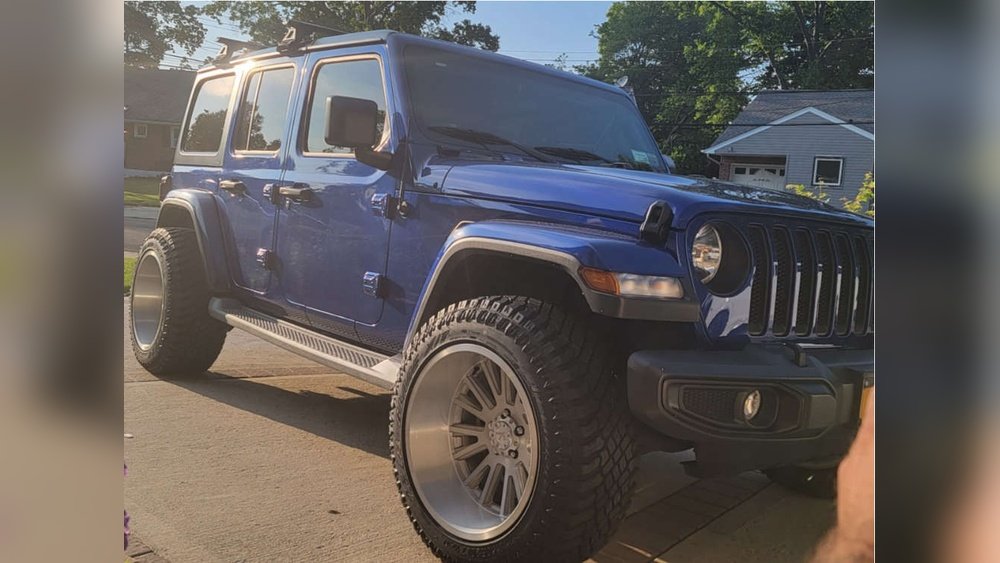
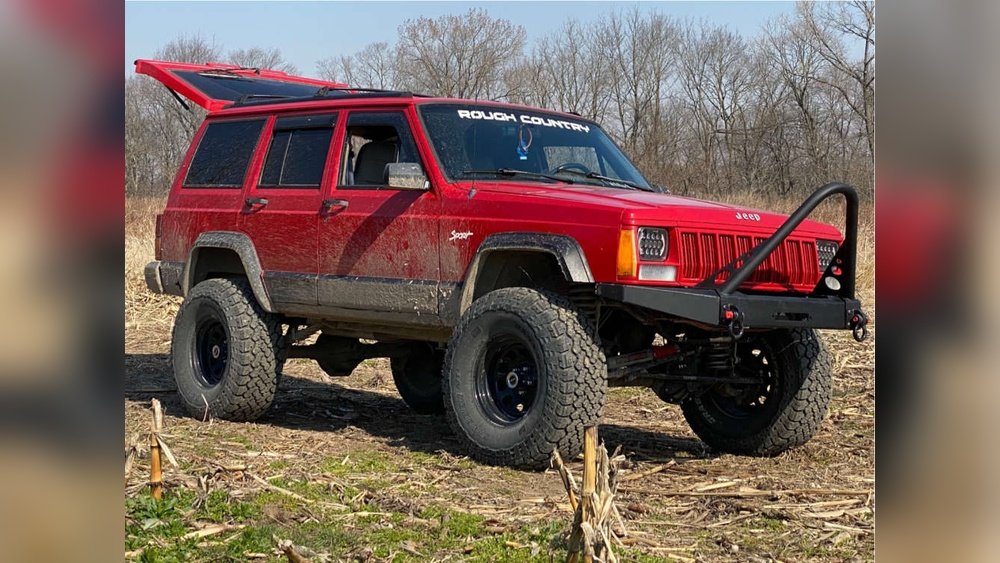
Flat towing a Jeep Wrangler with a manual transmission is popular among RV owners and off-road enthusiasts. This method, also called "dinghy towing," lets you pull your Jeep with all four wheels on the ground.
It sounds simple, but there are important steps and safety measures you must follow.
If you do it wrong, you risk damaging your vehicle or causing an accident. This article explains exactly how to flat tow a Jeep Wrangler manual transmission safely and confidently.
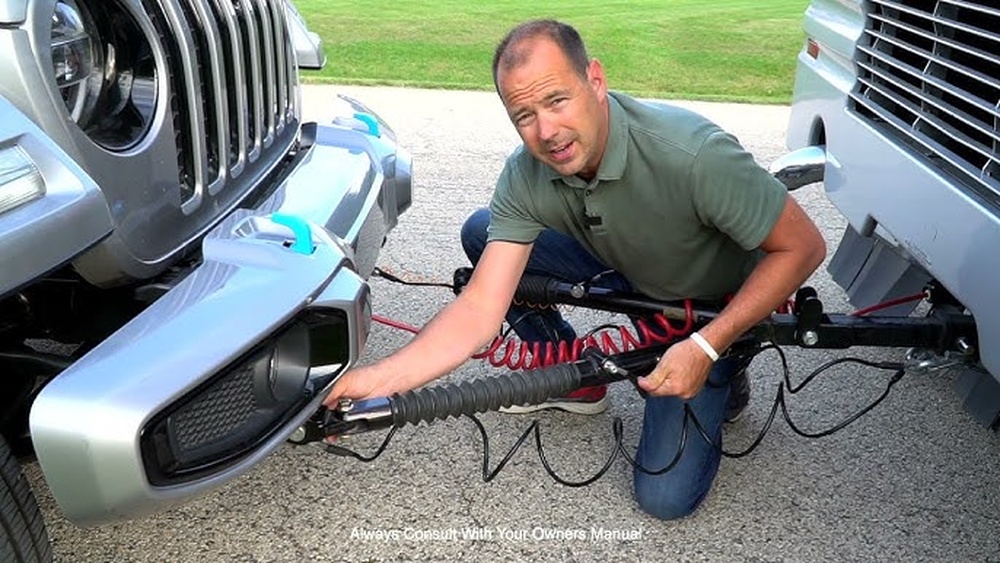
Understanding Flat Towing
Flat towing means your Jeep rolls on its own tires behind your tow vehicle. Unlike using a trailer or dolly, no extra equipment lifts your wheels off the ground.
Most Jeep Wranglers with manual transmissions are designed for this, making them a favorite for RVers.
The main benefits:
- Quick setup compared to loading on a trailer
- Less extra equipment to buy or store
- Keeps your Jeep ready for quick use at your destination
But this method only works because of the Wrangler’s unique transfer case. Always check your owner’s manual for your model year’s flat tow instructions.
Essential Equipment For Safe Flat Towing
You need more than just a hitch to flat tow safely. Here’s what’s required:
- Base plate kit – Attaches to your Jeep’s frame. This is the main connection point.
- Tow bar – Links the base plate to your RV or tow vehicle.
- Safety cables – Backup in case the tow bar fails.
- Wiring harness/lights – Ensures your Jeep’s brake and turn signals work in sync with the tow vehicle.
- Supplemental braking system – Required by law in most states. Helps your Jeep stop when you brake the RV.
A comparison of two common towing setups:
| Equipment | Flat Towing | Trailer Towing |
|---|---|---|
| Base Plates | Required | Not Needed |
| Tow Bar | Required | Not Needed |
| Trailer | Not Needed | Required |
| Vehicle Braking System | Required | Usually Required |
Don’t cut corners here. Using the right equipment means safer trips and less risk of damage or legal trouble.
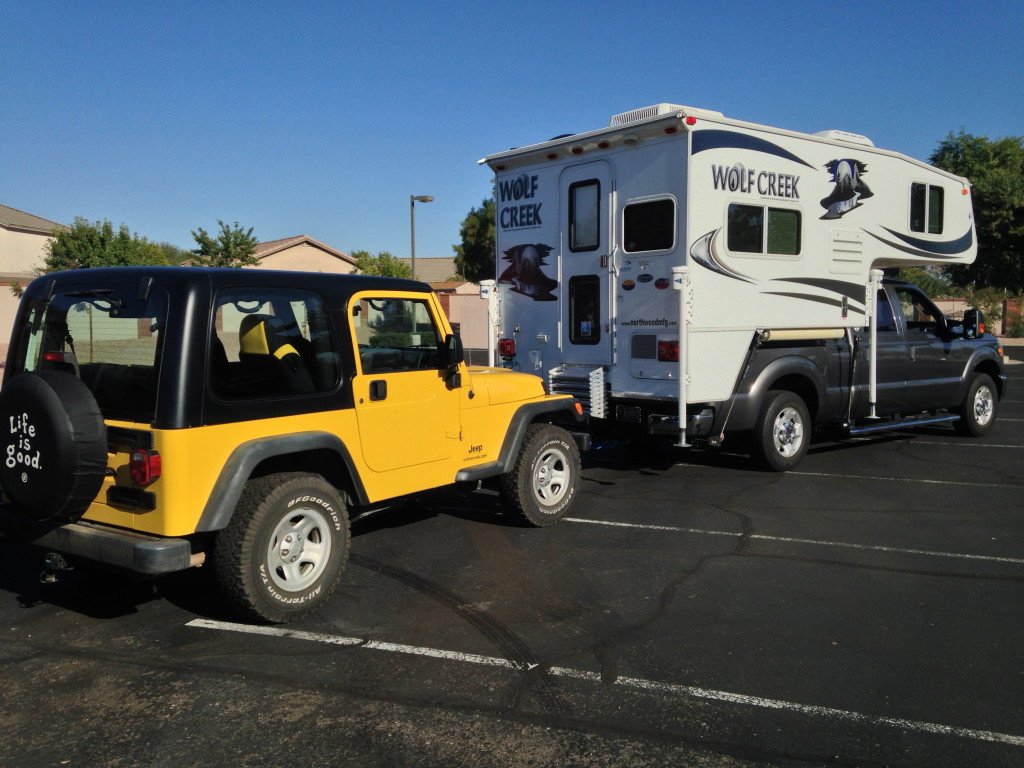
Step-by-step Guide: How To Flat Tow A Jeep Wrangler Manual Transmission
Follow these steps to avoid common mistakes:
- Check Jeep compatibility. Confirm your model and year allow flat towing. Not all Wranglers have the same transfer case. Look for the 2H, 4H, N, 4L options on your shifter.
- Install base plates and tow bar. Have a professional mount the base plates. Attach the tow bar according to manufacturer instructions. Fasten safety cables in a crisscross pattern beneath the tow bar.
- Connect the wiring harness. Plug your Jeep’s wiring into the RV or tow vehicle. Test all brake and turn signals before moving.
- Set up supplemental brakes. Install and test the braking system. Many modern systems are portable and easy to use.
- Prepare the Jeep for flat towing:
- Shift transmission to Neutral (N)
- Shift transfer case to Neutral (N)
- Turn the ignition to the ACC position (so the steering wheel is unlocked, but accessories are off)
- Release the parking brake
- Final walk-around. Double-check every connection, cable, and light. Look for anything loose or misaligned.
A step people often miss: Always unlock the steering wheel. If you forget, your Jeep’s front tires can drag sideways and cause serious damage.
Practical Tips For Smooth Towing
Here are some lesser-known tips that make towing easier and safer:
- Check tire pressure before every trip. Low pressure increases wear and fuel use.
- Carry extra pins and clips for your tow bar. They’re small but vital.
- Practice short trips before long journeys. Get used to how your RV handles with your Jeep behind it.
- Inspect all hardware every time you stop. Tow bars and cables can loosen after bumps.
A data comparison of common towing speeds:
| Speed (mph) | Risk of Sway | Stopping Distance |
|---|---|---|
| 55 | Low | Shorter |
| 65 | Medium | Longer |
| 70+ | High | Longest |
Keep your speed moderate. Most RV manufacturers recommend not exceeding 65 mph when towing.
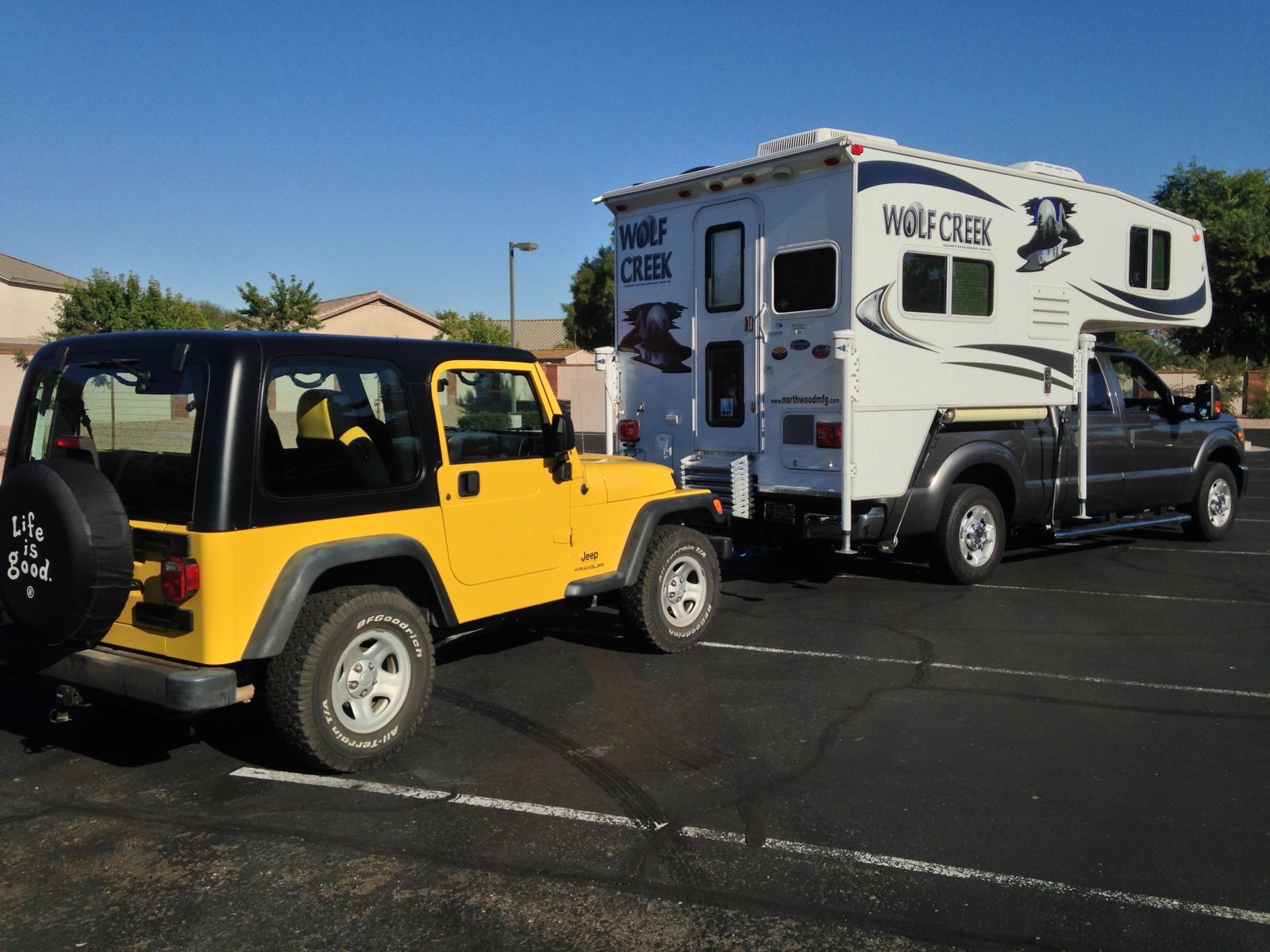
Common Mistakes To Avoid
Even experienced towers make errors. Watch for these:
- Leaving the transfer case in gear. This can destroy your transmission in minutes.
- Forgetting the supplemental brake. It’s illegal in many states and dangerous for everyone on the road.
- Relying on memory alone. Use a checklist every single time.
If you hear odd noises, see smoke, or feel the Jeep dragging oddly, stop immediately and check everything.
Wrapping Up
Flat towing your Jeep Wrangler manual transmission is straightforward when you follow the right steps and use the correct gear. This method saves time and hassle, especially for RVers. But never rush the setup or skip safety checks. The extra few minutes you spend preparing could save you thousands in repairs—or prevent an accident. For more technical details, consult the official Jeep website.
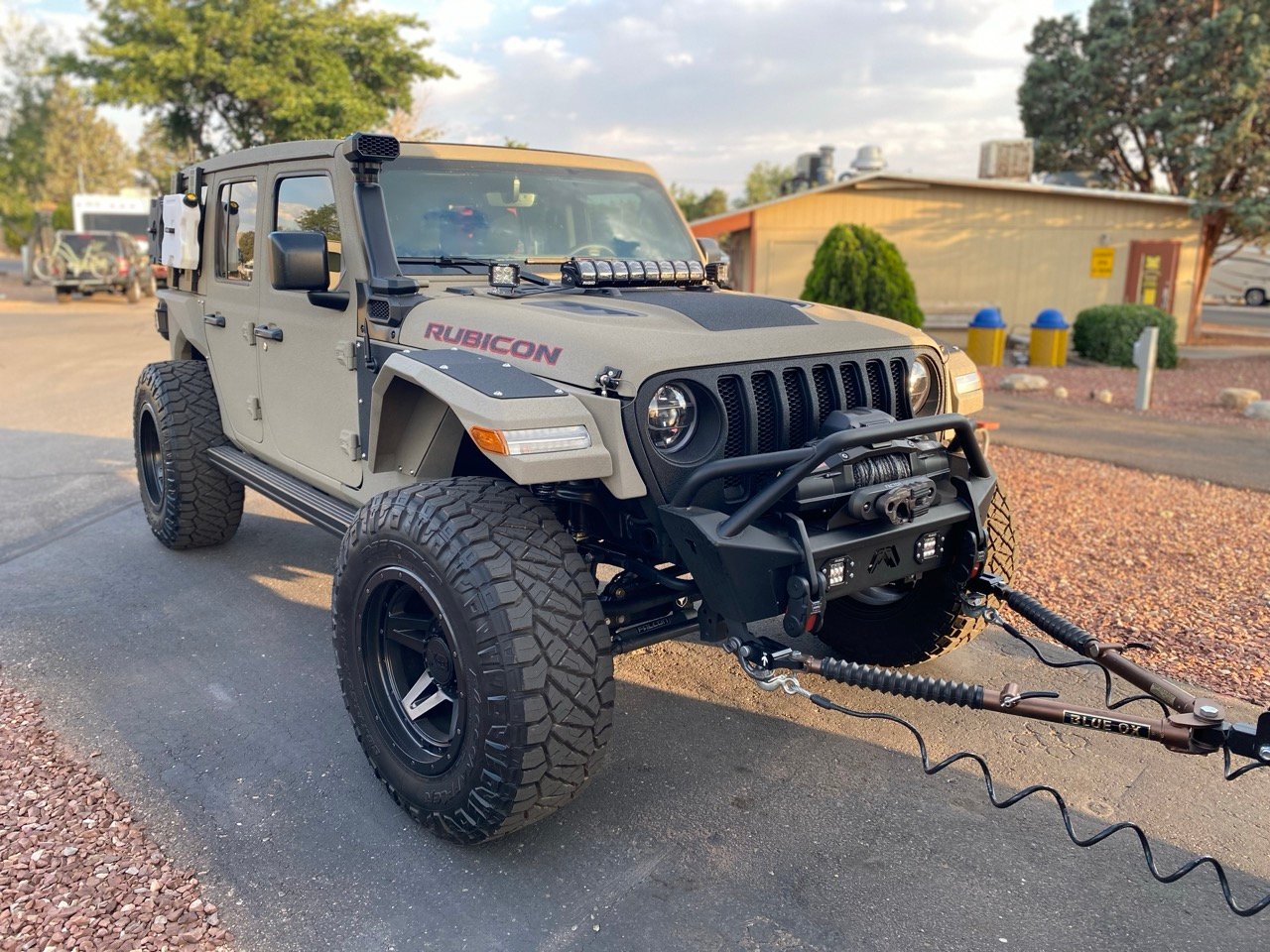
Frequently Asked Questions
Can I Flat Tow Any Jeep Wrangler With A Manual Transmission?
Most Jeep Wranglers with a manual transmission and a proper transfer case can be flat towed. Always check your owner’s manual for your specific year and model before towing.
Do I Need A Special Braking System For My Jeep When Flat Towing?
Yes, a supplemental braking system is required in most states. It helps your Jeep stop in sync with your tow vehicle and reduces wear on both vehicles.
What Speed Is Safe When Flat Towing My Jeep Wrangler?
Stay at or below 65 mph. Higher speeds increase the risk of sway and make it harder to stop safely.
Why Must The Transfer Case Be In Neutral?
The Neutral position disconnects the drivetrain. This prevents damage to your transmission and transfer case while towing.
Can I Flat Tow My Jeep Wrangler With The Battery Disconnected?
No. The battery should stay connected so your Jeep’s lights, brakes, and steering remain functional during towing.
Always unlock the steering wheel before flat towing.