Checking the power steering fluid in your Jeep Wrangler is a simple task, but it’s essential for safe driving and a smooth steering experience. Many Jeep owners overlook this basic maintenance until steering becomes stiff or noisy. Learning how to check the fluid yourself can help you prevent bigger problems and keep your Wrangler performing at its best.
Why Power Steering Fluid Matters
The power steering system helps you turn the steering wheel easily, especially at low speeds or when parking. The fluid acts as a lubricant and hydraulic medium, making sure all parts work smoothly. Low or dirty fluid can cause whining sounds, rough steering, and even damage to the steering pump. In extreme cases, it could lead to losing steering control, especially off-road.
Tools And Items You’ll Need
You don’t need special tools for this job. Here’s what you should have on hand:
- Clean rag or paper towels
- Flashlight (optional, for better visibility)
- Correct type of power steering fluid for your Jeep (check your owner’s manual)
- Disposable gloves (optional, but helps keep hands clean)
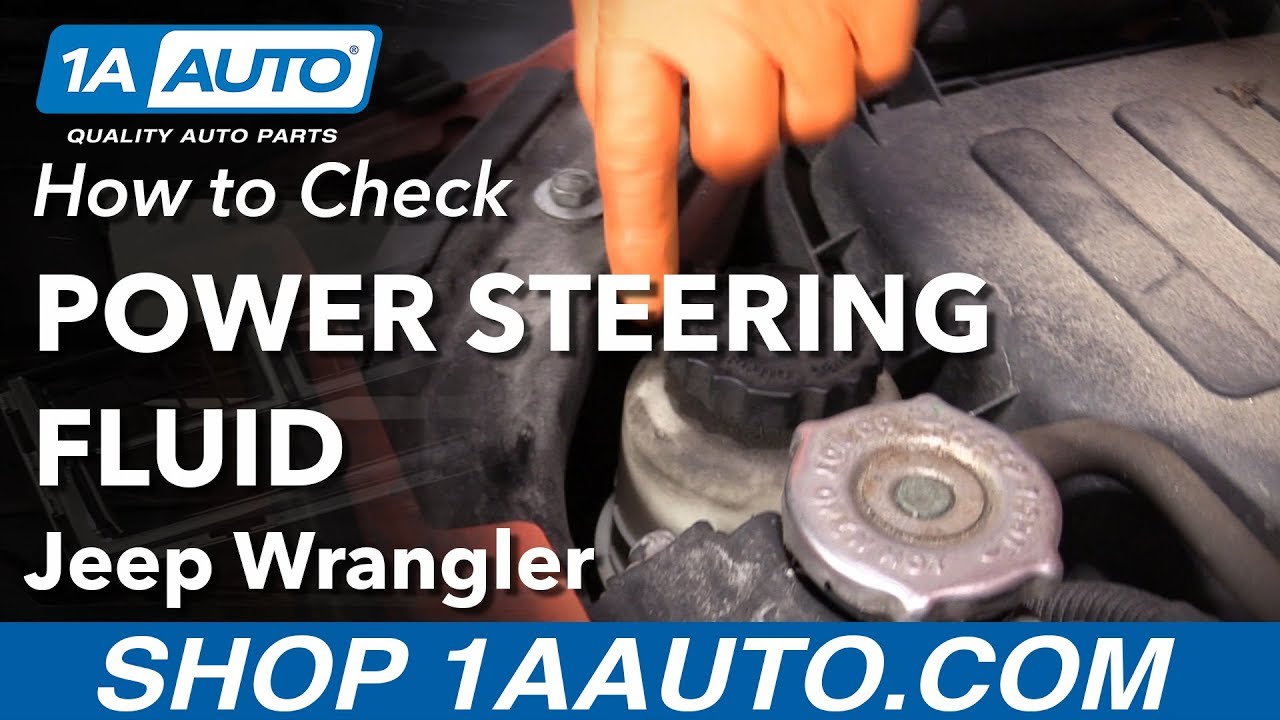
Locating The Power Steering Reservoir
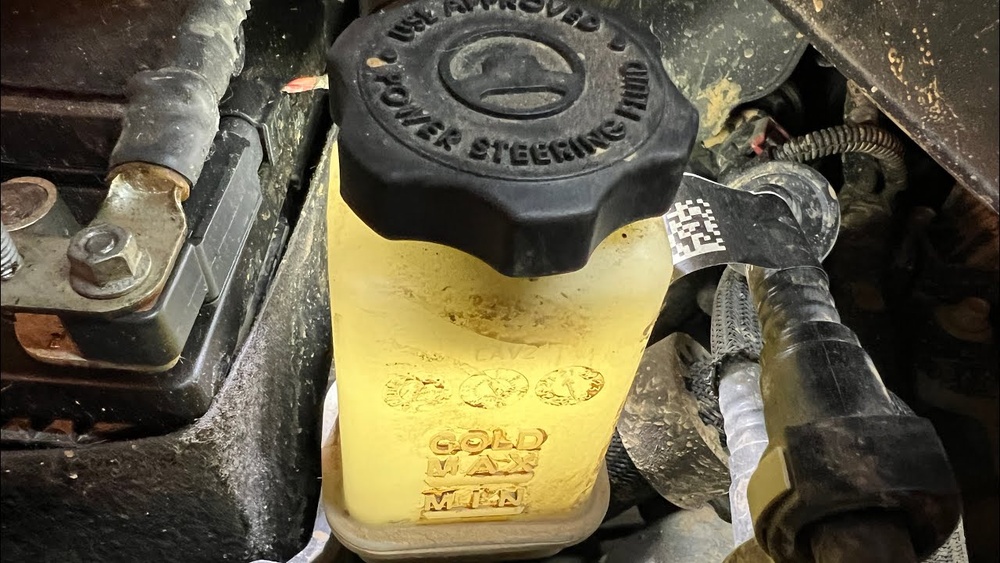
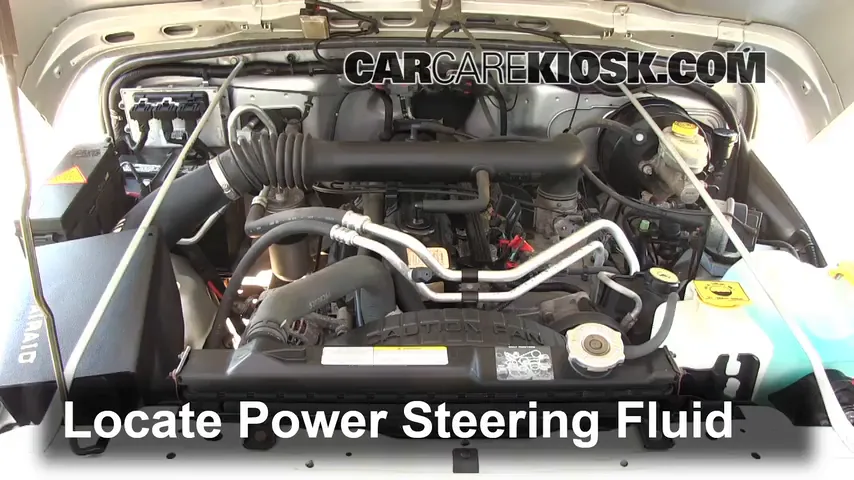
Finding the power steering reservoir is your first step. In most Jeep Wrangler models (especially TJ, JK, and JL from 1997–present), the reservoir is located on the passenger side of the engine bay, near the firewall. It’s a small, usually round, plastic container with a screw or snap-on cap labeled “Power Steering.”
Here is a simple comparison of Wrangler generations and where to find the reservoir:
| Wrangler Model | Year Range | Reservoir Location |
|---|---|---|
| TJ | 1997–2006 | Passenger side, near firewall |
| JK | 2007–2018 | Passenger side, close to battery |
| JL | 2018–present | Passenger side, near front corner |
If you have trouble, check your owner’s manual for an engine bay diagram.
Step-by-step: How To Check Power Steering Fluid
1. Park On Level Ground
Make sure your Wrangler is on a flat surface and the engine is off. For the most accurate reading, the engine should be cool, unless your manual says to check when warm.
2. Open The Hood
Release the hood latch and prop the hood open securely.
3. Find The Reservoir
Look for the labeled cap as described above.
4. Clean The Cap And Area
Wipe any dirt or grease away from the reservoir cap to prevent contamination.
5. Remove The Cap
Unscrew or pop off the cap. Many Jeep reservoirs have a dipstick attached underneath the cap.
6. Check The Fluid Level
Look at the dipstick or markings on the side of the reservoir. It should be between the “MIN” and “MAX” lines. Some models have “COLD” and “HOT” marks—match your engine temperature.
7. Inspect Fluid Color And Condition
The fluid should be clear or slightly pink. If it’s dark, brown, or has debris, it may need changing.
8. Add Fluid If Needed
If below “MIN,” add the correct fluid a little at a time. Avoid overfilling.
9. Replace Cap And Clean Up
Secure the cap and wipe away any spilled fluid.
Example: Jk Model Fluid Check
On a 2015 Wrangler JK, after opening the hood, the power steering reservoir is near the battery. The dipstick shows a “COLD” line. If the Jeep hasn’t been driven, use this line to check. If the fluid is low, add Jeep-approved fluid until it reaches the line.
Types Of Power Steering Fluid For Jeep Wrangler
Using the correct fluid is essential. Here’s a quick comparison of popular Jeep Wrangler models and their typical power steering fluid requirements:
| Wrangler Model | Recommended Fluid Type | Approx. Capacity |
|---|---|---|
| TJ (’97–’06) | Mopar +4 ATF | 1 quart |
| JK (’07–’18) | Mopar +4 ATF | 1 quart |
| JL (’18–present) | Mopar Electric Power Steering Fluid (if equipped) | 0.7–1 quart |
Tip: Never mix fluid types. Always double-check your owner’s manual or consult a dealer.
Common Mistakes To Avoid
Many beginners make simple errors when checking or topping up power steering fluid. Here are the most frequent ones:
1. Checking On A Sloped Surface
This gives false readings. Always use level ground.
2. Using The Wrong Fluid
Not all fluids are compatible. Using the wrong type can damage seals and pumps.
3. Overfilling
Too much fluid can cause leaks and foaming.
4. Ignoring Dirty Fluid
Even if the level is fine, old fluid can harm your system.
5. Not Replacing The Cap Securely
Leaving the cap loose allows dirt inside.
Non-obvious tip: On some older Wranglers, the reservoir is metal and harder to see through. Use a flashlight at an angle to see fluid level lines more easily.

When To Replace Or Flush Power Steering Fluid
Checking is only half the job. Fluid should be replaced every 50,000 miles or sooner if it looks dirty or smells burnt. Some off-road use or towing can shorten this interval. If you hear whining noises or feel jerky steering, consider a flush.
Insight for beginners: Power steering leaks often appear as red or brown spots under the front of your Jeep. These are early warning signs and should never be ignored.
Troubleshooting Low Power Steering Fluid
If you need to add fluid often, you may have a leak. Here’s what to check:
- Hoses and connections for wetness or drips
- Steering rack or pump for signs of fluid
- Puddles under the Jeep after parking overnight
If you spot any leaks, get them fixed quickly. Driving with low fluid can cause expensive damage to the pump or rack.
Frequently Asked Questions
Why Is My Jeep Wrangler’s Power Steering Fluid Low So Often?
Frequent low fluid usually means a leak in the system. Check hoses, the pump, and under the Jeep for drips. Address leaks right away to avoid steering failure.
What Happens If I Drive With Low Power Steering Fluid?
Low fluid can make steering stiff, cause whining noises, and damage the pump. In severe cases, you could lose power steering completely, which is dangerous.
Can I Use Any Brand Of Power Steering Fluid?
No, you should always use the recommended fluid from your Jeep’s manual. Some fluids can damage seals and components if they are not compatible.
How Do I Know If My Power Steering Fluid Needs To Be Replaced?
Dirty, dark, or burnt-smelling fluid needs replacement. If you hear noises or steering feels rough, it’s also a sign to flush and refill.
Where Can I Find Official Information About My Model?
You can find official specifications and diagrams for your Jeep Wrangler at the Jeep Owners Manual website.
Checking your Jeep Wrangler’s power steering fluid is a quick but vital part of regular maintenance. Doing this simple check every few months can save you from costly repairs and keep your steering smooth, both on and off the road.