Getting a kayak onto your Jeep can feel tricky, especially for beginners. But with the right approach, you can do it safely, quickly, and without damaging your gear or vehicle. Whether you’re planning a solo trip or heading out with friends, knowing how to load your kayak is an essential skill.
This guide will walk you through every step, give practical tips, and highlight common mistakes so you feel confident before hitting the road.
Choosing The Right Roof Rack
A roof rack is the foundation for transporting a kayak on your Jeep. Not all racks are equal, and picking the wrong one can make loading harder or even cause damage.
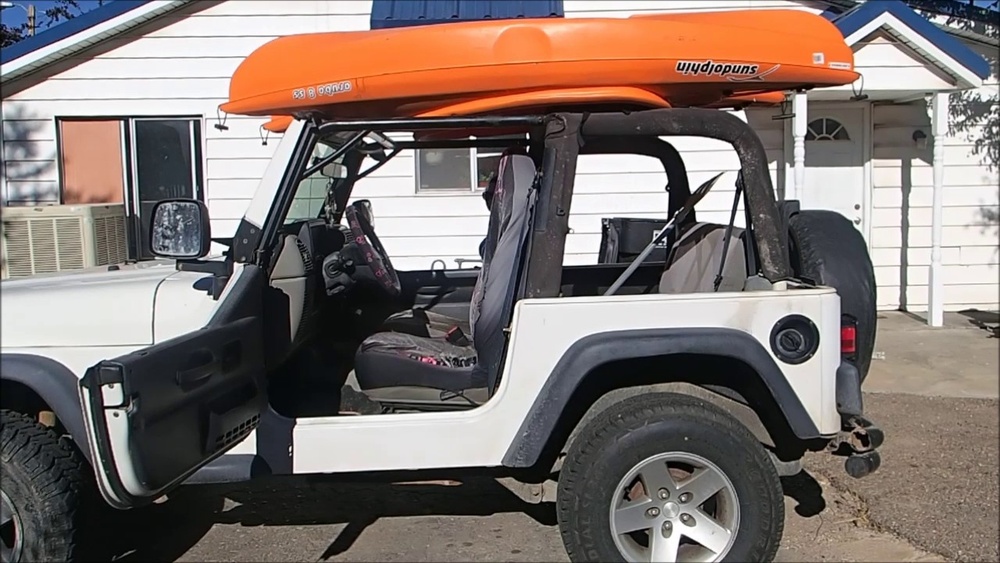
Types of kayak racks:
- J-cradle: Holds the kayak at an angle, saving space.
- Saddle: Keeps the kayak flat and secure.
- Stacker: Lets you carry multiple kayaks upright.
Here’s how these racks compare for Jeep owners:
| Rack Type | Max Kayaks | Ease of Loading | Average Price (USD) |
|---|---|---|---|
| J-cradle | 1-2 | Moderate | $120-$250 |
| Saddle | 1 | Easy | $100-$200 |
| Stacker | 2-4 | Hard | $80-$180 |
If you have a Jeep Wrangler or similar, check for roof rack compatibility. Many racks fit factory bars, but some require aftermarket rails. Always check your Jeep’s weight limit—most racks support up to 150 lbs.
Preparing Your Jeep And Kayak
Before loading, inspect your gear. Small checks can prevent big problems later.
Checklist:
- Make sure the rack is tightly secured.
- Remove dirt or sand from the kayak.
- Check for cracks or damage on the hull.
- Place padding on the rack to avoid scratches.
- Have your straps ready for tying down.
For heavier kayaks (over 50 lbs), ask a friend to help. Most Jeep roofs are tall, so lifting alone can strain your back.
Loading The Kayak Step-by-step
Getting the kayak onto your Jeep is easier with a clear plan. Here’s a proven method:
- Position your Jeep: Park on flat ground. Avoid slopes or uneven surfaces.
- Lift the kayak: Stand next to your Jeep. Hold the kayak by the cockpit rim or grab handles.
- Place the kayak on the rack: If using a J-cradle, tilt the kayak and slide it into place. For saddles, lift and rest it flat.
- Adjust alignment: Make sure the kayak is centered and doesn’t hang over the sides.
- Secure with straps: Use strong cam straps, not bungee cords. Wrap straps over the kayak, through the rack, and tighten.
Here’s a quick comparison for solo vs. team loading:
| Loading Type | Required Strength | Risk of Damage | Recommended for |
|---|---|---|---|
| Solo | High | Medium | Light kayaks |
| With a Partner | Low | Low | Heavy kayaks |
Pro tip: Stand on a small step stool if your Jeep is tall. It makes lifting easier and reduces the chance of dropping the kayak.
Securing The Kayak Properly
Tying down the kayak is as important as loading it. Loose straps can cause accidents or damage.
Steps for safe tie-down:
- Use two straps for the body, one at the front and one at the back.
- Attach bow and stern lines to tow points or bumper hooks.
- Tighten straps until the kayak doesn’t move, but avoid over-tightening to prevent cracking.
Common mistakes:
- Using cheap straps that stretch or break.
- Forgetting to tie down the front and rear.
- Letting straps flap in the wind, which can distract drivers.
Here’s a quick overview of tie-down options:
| Strap Type | Strength | Ease of Use | Durability |
|---|---|---|---|
| Cam Straps | High | Easy | Long-lasting |
| Rope | Medium | Hard | Variable |
| Bungee Cord | Low | Easy | Short-term |
Always check your straps after driving a few miles. Sometimes they loosen up from vibration.
Real-world Examples And Safety Tips
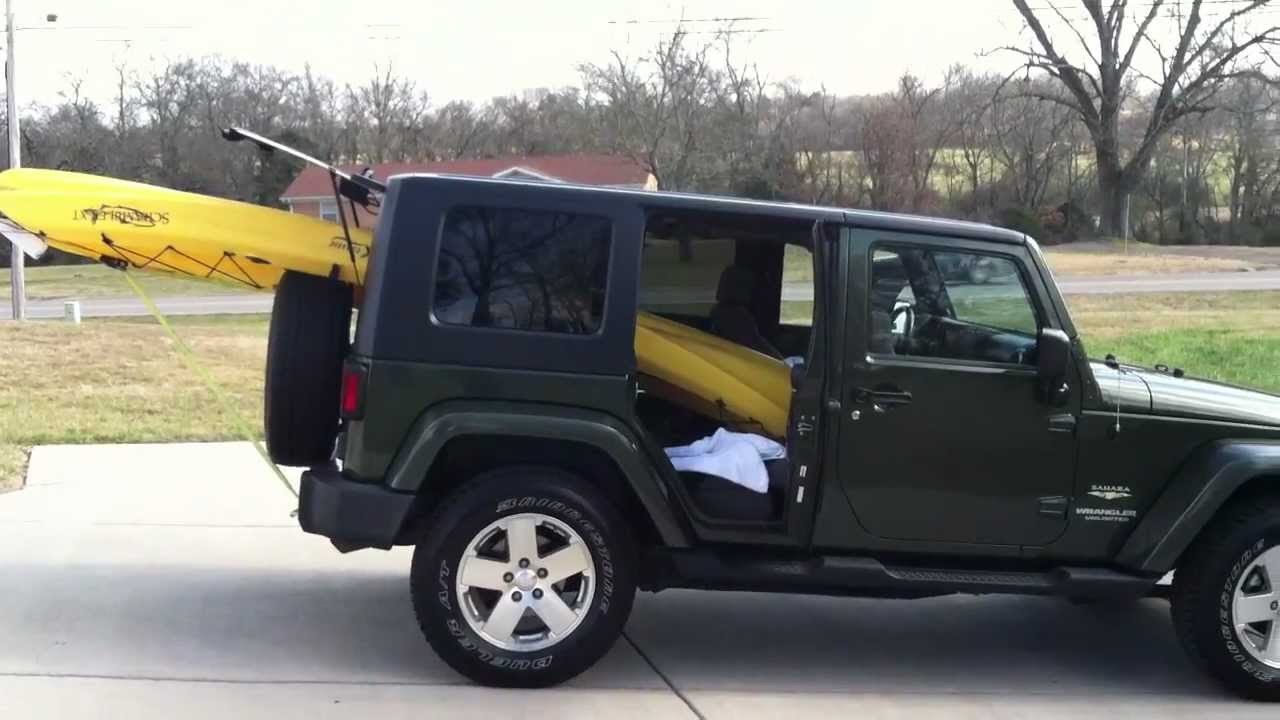
Many kayak owners make small errors that can lead to big problems. For example, statistics from the American Canoe Association show that about 10% of kayak accidents involve improper transport or tie-downs.
Two insights beginners often miss:
- Don’t assume your kayak is safe just because it “feels tight.” Test by pushing and pulling. If it shifts, re-tighten.
- Weather matters. In strong wind, secure extra lines or use wind-blocking covers.
If you’re planning a long journey, stop after 30 minutes to check your setup. Road vibration can loosen straps even if they were tight at first.
For more details on kayak safety and transport, visit the American Canoe Association.
Frequently Asked Questions
How Many Kayaks Can I Fit On My Jeep?
Most Jeeps can hold 1-2 kayaks with a J-cradle or saddle rack. Using a stacker rack, you might fit up to 4, but space and weight limits matter.
Can I Load A Kayak Alone?
Yes, if your kayak is light and your Jeep isn’t too tall. For heavy kayaks or high roofs, ask for help or use a step stool.
Is It Safe To Use Rope Instead Of Straps?
Rope can work, but cam straps are safer and easier to tighten. Ropes may loosen or slip if not tied correctly.
Will My Kayak Damage My Jeep’s Roof?
If you use proper padding and a secure rack, damage is rare. Avoid dragging the kayak across the roof or over-tightening straps.
Do I Need Bow And Stern Lines?
Yes. These lines add stability and prevent the kayak from shifting during sudden stops or wind. Always use them for long trips.
Loading a kayak onto your Jeep gets easier with practice. By choosing the right gear, preparing carefully, and following each step, you’ll protect your equipment and travel safely. Remember, a few extra minutes spent checking your setup can save hours of trouble later.
With these tips, you’re ready for your next adventure—just hit the road and enjoy the water.