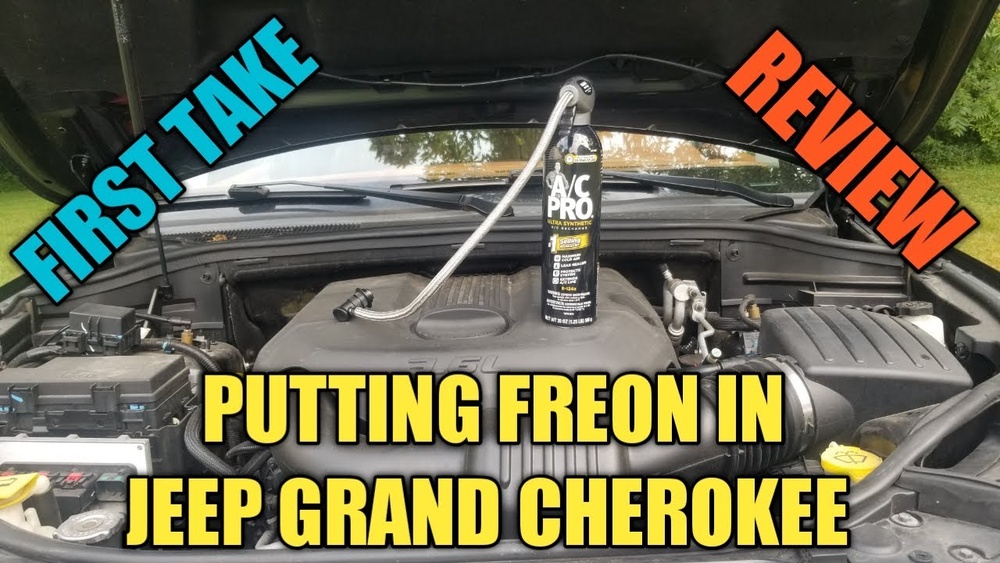
If your Jeep Grand Cherokee AC is blowing warm air, you probably need to recharge the system. Many drivers think fixing AC needs a mechanic. But with the right tools and careful steps, you can recharge your AC at home and save money. This guide will show you how to safely recharge the AC in your Jeep Grand Cherokee, what mistakes to avoid, and how to spot bigger problems. If you follow these steps, your air conditioning will feel cool again—even in hot summers.
Understanding Your Jeep Grand Cherokee Ac System
The AC system in your Jeep Grand Cherokee uses R-134a refrigerant. It works by moving refrigerant through the compressor, condenser, expansion valve, and evaporator. When there isn’t enough refrigerant, the AC cannot cool air properly. Most Grand Cherokees from 1999 onwards use the same AC setup, but always check your owner’s manual for your model year.
Here’s a quick comparison of refrigerant types and capacities for recent Grand Cherokee models:
| Model Year | Refrigerant Type | Capacity (oz) |
|---|---|---|
| 2015–2023 | R-134a | 18–22 |
| 1999–2014 | R-134a | 19–23 |
| Pre-1999 | R-12 (retrofit needed) | Unknown |
Always use the correct refrigerant using the wrong type can damage your AC system.
Tools And Materials You’ll Need
Before you start, gather these items:
- R-134a refrigerant canister (with gauge and hose)
- Safety glasses
- Gloves
- AC recharge kit (often includes a pressure gauge)
- Owner’s manual
- Clean rag
A typical recharge kit costs $30 $50. Make sure the gauge reads both PSI and temperature for more accuracy.
Step-by-step Guide: Recharging Ac
Recharging your Jeep Grand Cherokee AC is simple if you follow each step carefully. Here’s how:
1. Prepare Your Vehicle
- Park on a flat surface. Turn off the engine.
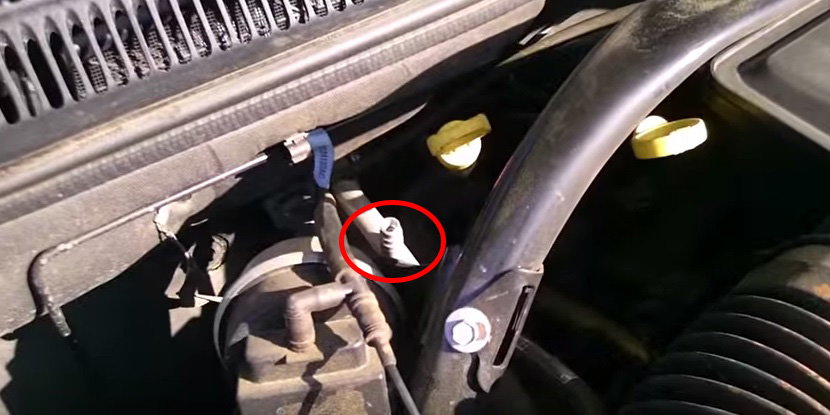
- Open the hood and locate the low-pressure AC port. It usually has a blue or black cap and is marked “L.”
- Wipe the port clean with a rag.
2. Attach The Recharge Kit
- Put on safety glasses and gloves.
- Attach the recharge hose to the low-pressure port. Make sure it clicks and is secure.
- Check that the gauge reads zero before starting.
3. Start The Engine And Ac
- Start the engine.
- Set the AC to maximum cool and fan speed.
- Let the engine run for a few minutes so the AC compressor turns on.
4. Check Pressure
- Look at the gauge. For most Grand Cherokees, normal pressure is 25–45 PSI. If it’s below 25 PSI, your AC needs refrigerant.
- Compare the gauge reading to this reference:
| Ambient Temperature (°F) | Target Low-Side Pressure (PSI) |
|---|---|
| 70 | 35–40 |
| 80 | 40–45 |
| 90 | 45–50 |
5. Add Refrigerant
- Shake the canister.
- Squeeze the trigger to let refrigerant flow into the system. Do this in short bursts.
- Watch the gauge as you add refrigerant. Stop when you reach the recommended PSI for your temperature.
- Do not overfill—the AC will not work better, and you could damage parts.
6. Check Ac Performance
- After recharging, feel the air from the vents. It should be cold within 5–10 minutes.
- Use a thermometer to check vent temperature. Ideally, it should be 40–50°F when outside temperatures are above 75°F.
7. Finish Up
- Turn off the engine.
- Remove the hose from the low-pressure port.
- Replace the port cap tightly.
- Dispose of any empty canisters according to local regulations.
Practical Tips And Common Mistakes
Many beginners make mistakes that reduce AC performance or cause damage. Here’s what you should watch out for:
- Overcharging: Too much refrigerant increases pressure and can break the compressor. Always use the gauge.
- Wrong Port: Never connect the kit to the high-pressure port (usually red). This can cause injury.
- Ignoring Leaks: If your system loses refrigerant quickly, you may have a leak. Recharging will not fix leaks.
- Not Running Engine: Always recharge with the engine running and AC on max.
- Skipping Safety Gear: Refrigerant can freeze skin and eyes. Always wear safety glasses and gloves.
A smart tip: If the refrigerant level stays low after recharging, check for leaks using UV dye or consult a mechanic.

When You Should Not Recharge Yourself
If your Jeep Grand Cherokee AC shows these signs, stop and call a professional:
- AC clutch does not engage when the system is on
- Unusual noises from the compressor
- Visible oil or refrigerant leaks under the hood
- AC still blows warm after a recharge
Some problems, like electrical issues or compressor failure, need special tools and skills.
Ac Maintenance Advice
Recharging can solve many cooling problems, but regular AC maintenance helps keep your system healthy. Change the cabin air filter every 12,000–15,000 miles. Run the AC once a week, even in winter, to keep seals lubricated. Get the system checked every spring, especially before hot weather starts.
For more technical details about AC systems and refrigerants, check this EPA guide.
Frequently Asked Questions
What Type Of Refrigerant Does My Jeep Grand Cherokee Use?
Almost all Grand Cherokees from 1999 to present use R-134a refrigerant. Older models may need R-12 or a retrofit.
How Often Should I Recharge The Ac?
You should not need to recharge the AC every year. If you have to recharge often, your system likely has a leak.
Can I Use A Universal Ac Recharge Kit?
Most kits work for R-134a systems, but always check the label. Using the wrong kit can damage your AC.
Is Overcharging Dangerous?
Yes, overcharging can damage the compressor, cause leaks, or make the AC blow warm air. Always use the gauge and stop at the correct PSI.
What If The Ac Still Blows Warm After Recharging?
If your AC is still not cold, you may have a leak or a failing compressor. It’s best to visit a certified mechanic for diagnosis.
Recharging your Jeep Grand Cherokee AC is one of the easiest ways to restore cool air. With the right tools and careful steps, you can fix most basic AC problems.
Remember, safety and accuracy are key. If you still have trouble after recharging, don’t risk bigger repairs get professional help.
Stay cool and enjoy your Jeep all summer long!