If you recently bought a 2020 Jeep or need to check something under the hood, you might feel unsure about how to open it. Even though it sounds simple, many people struggle with modern car hoods because designs have changed. In this guide, you’ll learn how to open the hood on a 2020 Jeep easily, with step-by-step instructions, tips to avoid mistakes, and answers to common questions. Whether you drive a Jeep Wrangler, Grand Cherokee, or another model, this advice will help you do it safely and confidently.
Understanding Jeep Hood Release Mechanisms
Most 2020 Jeep vehicles use a two-step hood release system for safety. This prevents the hood from accidentally opening while driving. Here’s a quick comparison of hood release types for popular 2020 Jeep models:
| Jeep Model | Primary Release Location | Secondary Latch Type |
|---|---|---|
| Wrangler (JL) | Under dashboard (driver side) | External safety latches |
| Grand Cherokee | Under dashboard (driver side) | Center latch under hood |
| Compass/Cherokee | Near driver’s left foot | Center latch under hood |
Pro tip: The Wrangler uses visible external latches, while other models use a hidden release under the hood. Always check your owner’s manual if you’re unsure.
Step-by-step Guide: How To Open The 2020 Jeep Hood
Follow these steps to open your Jeep’s hood safely:
- Park on a flat surface and turn off the engine. Put the vehicle in park with the parking brake set.
- Locate the primary hood release lever inside your Jeep. For most models, look under the dashboard on the driver’s side, close to the door or near your left knee.
- Pull the lever until you feel or hear a “pop.” This means the hood is now unlocked but not fully open.
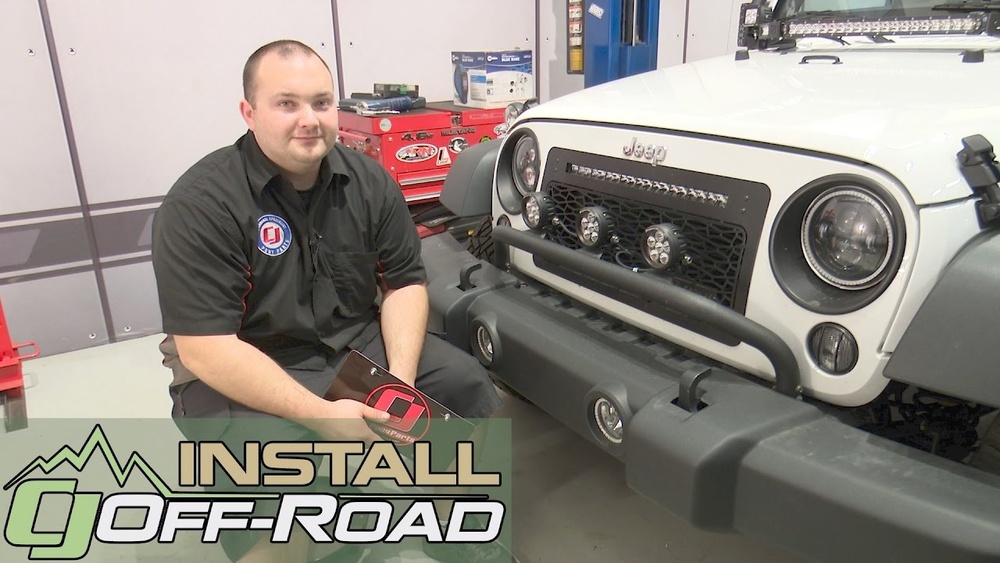
- Go to the front of your Jeep. For Wranglers, you’ll see two black rubber latches on each side of the hood. For other models, gently lift the hood a little to find the safety latch.
- Release the secondary latch.
- For Wranglers: Undo both rubber latches, then lift the hood slightly and move the safety catch.
- For Grand Cherokee, Compass, and Cherokee: Slide your hand under the center front of the hood. Feel for a small lever or latch. Push it to one side (usually left) while lifting the hood.
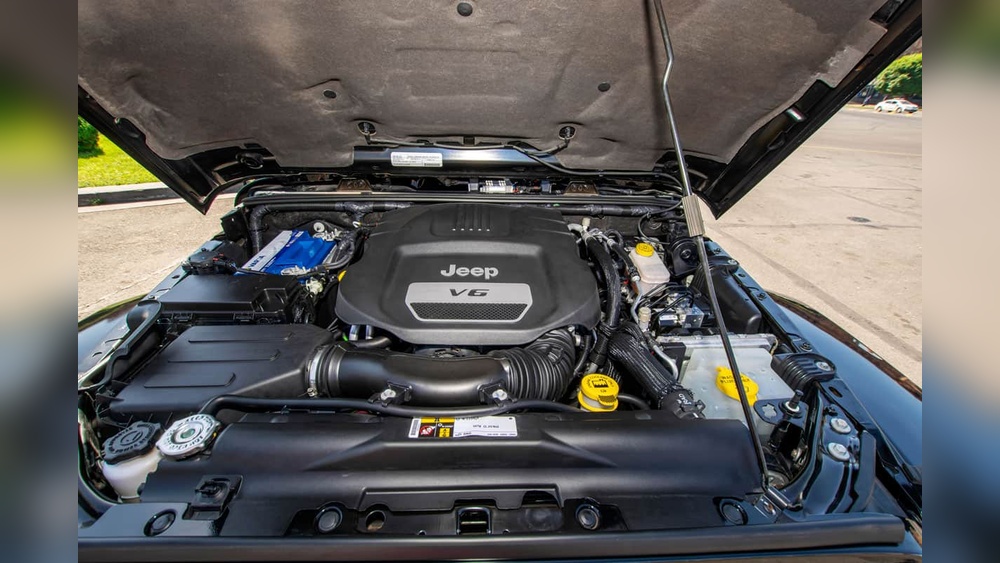
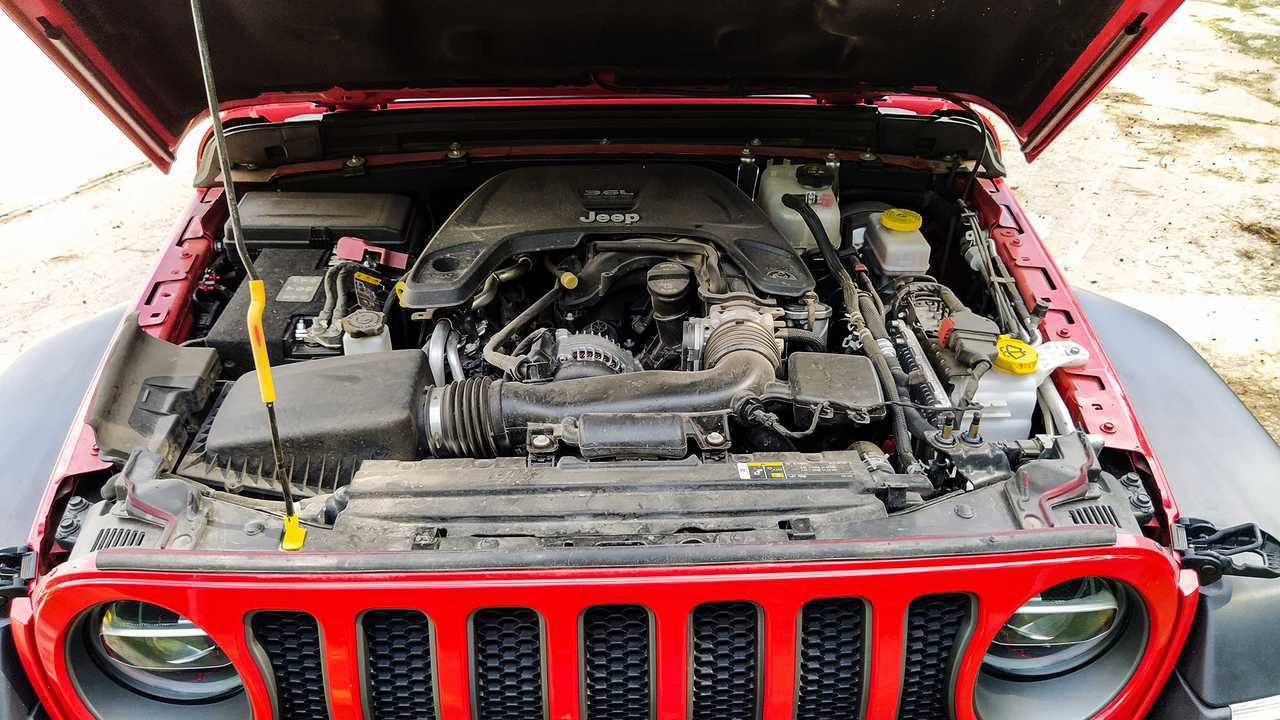
- Lift the hood fully. Most Jeep hoods use a prop rod to keep them open. Secure the prop rod in the hole or notch provided.
- Check that the hood is stable before working under it.
Common Mistakes To Avoid
- Forgetting the secondary latch: Many beginners try to force the hood after the first release, not realizing there is a second latch.
- Not securing the hood: Never work under the hood without using the prop rod.
- Pulling the release too hard: Use steady force. If it feels stuck, check the manual or ask for help.

Differences Between Jeep Wrangler And Other Models
Jeep Wranglers stand out because they use external rubber latches in addition to the standard safety latch. This gives extra protection if you drive off-road. Other Jeep models like the Grand Cherokee have a more hidden system.
Here’s a quick visual for comparison:
| Feature | Wrangler (JL) | Grand Cherokee |
|---|---|---|
| External rubber latches | Yes | No |
| Prop rod or gas struts | Prop rod | Prop rod or gas strut (varies) |
| Secondary latch position | Front center, outside | Front center, inside |
If you drive a Wrangler, always remember to close both rubber latches before driving. Loose latches are a common cause of hood vibration on rough roads.
Safety Tips When Opening Your Jeep Hood
- Wait for the engine to cool before touching parts under the hood.
- Keep hands clear of moving parts like fans and belts.
- Check for warning stickers under the hood for extra safety advice.
- Use gloves if the hood or latch feels hot.
If the hood feels stuck, do not force it. Forcing may bend the latch or damage the hood. Instead, gently press down on the hood and try again. Sometimes a sticky latch needs a small push to realign.

Practical Reasons To Open Your Jeep Hood
You might need to open the hood for several reasons:
- Checking oil and fluid levels
- Jump-starting the battery
- Changing air filters
- Inspecting for leaks or damage
- Replacing wiper fluid
Knowing how to open the hood can save you time and money, especially if you’re far from a mechanic.
What If The Hood Won’t Open?
Sometimes, the release lever feels loose or the hood stays stuck. Here’s what you can try:
- Double-check the release lever: Pull it again firmly but not too hard.
- Gently press down on the hood: Sometimes pressure helps the latch pop free.
- Check for ice or debris in winter climates.
- Ask for help: If you still can’t open it, a mechanic can help without damaging anything.
When To Seek Professional Help
If the hood cable is broken or the latch is jammed, do not try to force it open. Visit your local Jeep dealership or a certified mechanic. Attempting to fix it yourself might void your warranty or cause costly damage.
Frequently Asked Questions
How Do I Know If My Jeep Has A Prop Rod Or Gas Struts?
Most 2020 Jeep models use a prop rod to hold the hood open, but some higher trims may have gas struts. Check under the hood: if you see a metal rod that swings up, that’s a prop rod.
Is It Safe To Open The Hood After Driving?
Wait at least 15–20 minutes after driving to let the engine cool down. Touching a hot engine or radiator can cause burns.
Can I Open The Hood If The Battery Is Dead?
Yes, the hood release is mechanical, not electric. A dead battery will not stop you from opening the hood.
What Should I Do If The Hood Release Lever Feels Loose?
A loose lever may mean the cable is stretched or broken. Do not force it. Visit a mechanic for repair as soon as possible.
Where Can I Find My Jeep’s Owner Manual Online?
You can access official Jeep owner manuals at the Jeep Owner’s Site. This is helpful for model-specific diagrams and instructions.
Opening your 2020 Jeep’s hood is simple once you know the steps. Take your time, pay attention to each latch, and follow safety tips. With this knowledge, you’ll feel more confident checking fluids or handling minor issues yourself. If you run into problems, don’t hesitate to get professional help to avoid accidental damage.