Putting Freon in your Jeep Wrangler isn’t just about cooling your ride. It’s about keeping your air conditioning (A/C) system running smoothly and avoiding costly repairs. Many owners try to do it themselves, but mistakes can lead to leaks or even damage.
This guide will help you add Freon the right way, with simple steps, smart tips, and expert advice. Whether you drive an older TJ or a newer JL, you’ll learn what matters most, how to stay safe, and how to spot hidden problems that beginners often miss.
How Jeep Wrangler A/c Systems Work
The A/C system in a Jeep Wrangler uses R-134a Freon (sometimes called refrigerant) to cool the air inside your vehicle. Freon flows in a closed loop through the compressor, condenser, evaporator, and hoses. If your A/C starts blowing warm air or takes too long to cool, low Freon is often the cause.
Here’s a quick look at the main parts:
| Component | Function |
|---|---|
| Compressor | Pumps and pressurizes Freon |
| Condenser | Cools Freon so it turns into liquid |
| Evaporator | Absorbs heat from inside the Jeep |
| Low-Pressure Port | Where you add Freon |
What You Need Before Adding Freon
Before starting, gather these tools and supplies:
- R-134a Freon can (check your Jeep’s manual for capacity)
- A/C recharge hose with gauge
- Gloves and safety glasses
- Owner’s manual
- Clean rags
Never use R-12 Freon in Jeep Wranglers made after 1995—these systems require R-134a.
Check for leaks before adding Freon. If you see oily residue around hoses or the compressor, your system may be leaking. Adding Freon to a leaking system wastes money and can damage the A/C. If unsure, have a mechanic check for leaks first.
Step-by-step Guide: Adding Freon To Your Jeep Wrangler
Follow these steps to safely recharge your Wrangler’s A/C:
1. Park Your Jeep Safely.
Turn off the engine, open the hood, and let the engine cool.
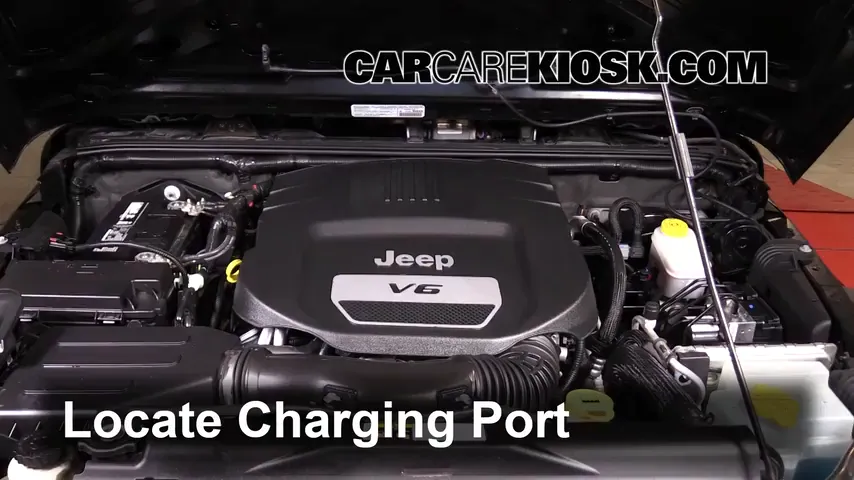
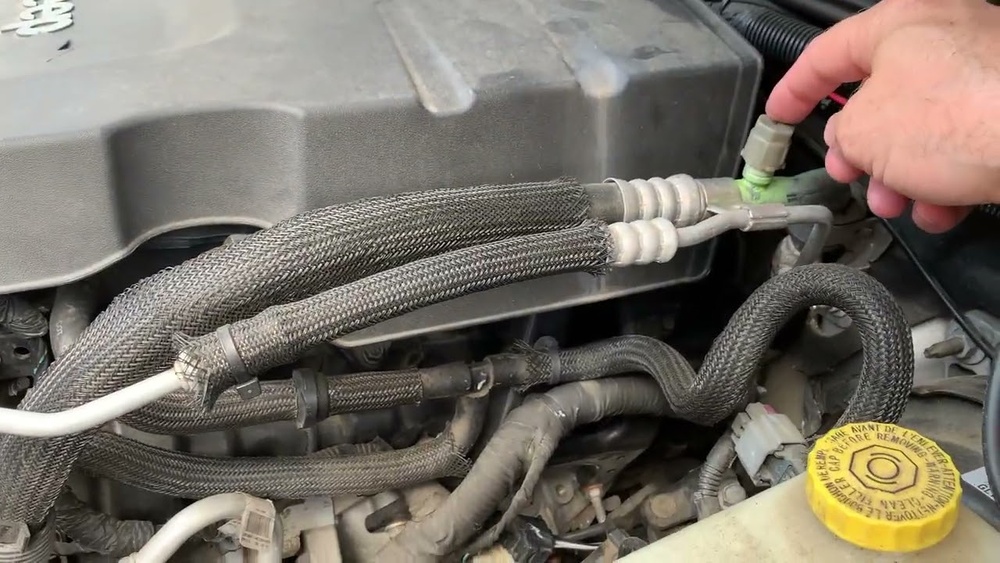
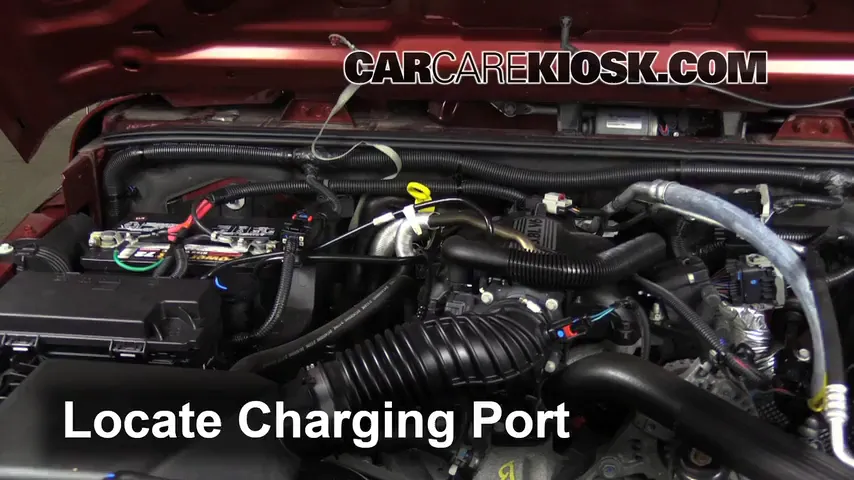
2. Locate The Low-pressure Port.
It’s usually marked with “L” or a blue cap. On Wranglers, it’s near the firewall on the passenger side.
3. Connect The Recharge Hose.
Attach the hose to the low-pressure port. Make sure it fits snugly.
4. Start The Engine And Turn On A/c.
Set your A/C to maximum cool and fan speed. Let it run for a few minutes.
5. Check The Pressure Gauge.
The ideal pressure is between 25-45 psi (pounds per square inch) for most Jeep Wranglers.
6. Add Freon Slowly.
Shake the can, then squeeze the trigger in short bursts. Watch the gauge, stopping when you reach the recommended psi.
7. Monitor For Changes.
Feel the air from the vents. It should get colder as you add Freon.
8. Stop When Full.
Don’t overfill. Too much Freon can damage the compressor.
9. Remove The Hose And Close The Port.
Turn off your engine, remove the hose, and replace the cap.
10. Clean Up.
Wipe any spilled Freon and store tools safely.
| Step | Common Mistake | Tip to Avoid |
|---|---|---|
| Connecting hose | Wrong port | Look for “L” or blue cap |
| Checking gauge | Not reading psi correctly | Read when A/C is running |
| Adding Freon | Overfilling | Stop at 45 psi max |
Many drivers notice the A/C isn’t cold, but there are other signs you might miss:
- Compressor clicks on and off: This means it’s struggling to build pressure.
- Frost on A/C lines: Low Freon can cause freezing.
- Bad smell from vents: Leaks can let moisture in, causing odors.
If you add Freon and the A/C still doesn’t cool, you may have a bigger issue. Faulty compressors, clogged condensers, or leaks need professional repair. Don’t keep adding Freon if the problem doesn’t go away.
Jeep Wrangler Freon Capacity Comparison
Different Wrangler models need different amounts of Freon. Here’s a quick comparison:
| Model Year | Freon Capacity (oz) | Notes |
|---|---|---|
| 1997–2006 (TJ) | 18–22 | Older system, may need less |
| 2007–2017 (JK) | 20–24 | Standard A/C setup |
| 2018–Present (JL) | 22–26 | Newer, more efficient system |
Always check your owner’s manual for the exact Freon amount. Overfilling or underfilling reduces cooling and can damage parts.
Practical Tips For Safe Freon Addition
- Wear protective gear. Freon can cause skin burns and eye injuries.
- Use the right refrigerant. Only R-134a for most Wranglers.
- Check for leaks first. If you see oily spots, fix leaks before recharging.
- Don’t rush. Add Freon in short bursts and check the gauge often.
- Store leftover cans safely. Freon is pressurized and can explode if heated.
Non-obvious insight: Many beginners forget to check the A/C filter. A clogged filter can make the system seem low on Freon when it’s not. Replace the filter if your A/C isn’t cooling after a recharge.
Another overlooked tip: If your Jeep’s A/C hasn’t worked for months, the seals may dry out. Adding Freon can sometimes help, but dried seals may leak again soon. For long-term fixes, ask a mechanic to inspect the system.

When To Seek Professional Help
If your Jeep Wrangler’s A/C still blows warm air after adding Freon, or if the pressure gauge shows odd readings (much higher or lower than normal), it’s best to see a certified mechanic. Professional tools can find leaks and test the system thoroughly.
For more details on automotive refrigerants and safety, check the EPA’s official site.
Frequently Asked Questions
How Do I Know If My Jeep Wrangler Needs Freon?
If your A/C blows warm air, the compressor clicks often, or there’s frost on the lines, your Jeep likely needs Freon.
Can I Use Any Type Of Freon In My Jeep?
No. Most Jeep Wranglers require R-134a Freon. Using the wrong type can damage the system.
What Happens If I Overfill The System?
Overfilling can cause high pressure, damage the compressor, and make the A/C less effective. Always follow your Jeep’s recommended capacity.
Is It Safe To Add Freon Myself?
Yes, if you follow safety steps and use the right tools. Wear gloves and safety glasses, and never overfill.
How Often Should I Recharge My Jeep Wrangler’s A/c?
Most systems don’t need frequent recharging. If your A/C works well, don’t add Freon. If cooling drops, check for leaks before recharging.
Adding Freon to your Jeep Wrangler can restore cool comfort and save money, but only if you do it carefully. Follow these steps, watch for hidden issues, and your A/C will stay reliable for many miles.