Checking the oil in your Jeep Renegade is a simple but essential task. If you want your engine to run smoothly and last longer, you need to make sure the oil level is correct and the oil is clean. The good news? You don’t need special tools or expert skills—just a few minutes and some attention to detail. This guide will walk you through each step, explain why it matters, and help you avoid mistakes that many new owners make.
Why Checking Oil Matters For Your Jeep Renegade
The engine oil lubricates moving parts, keeps the engine cool, and helps prevent wear. If the oil is too low or dirty, your engine can overheat or suffer expensive damage. According to industry studies, low oil levels are one of the top reasons for engine breakdowns, especially in compact SUVs like the Renegade.
Owners sometimes assume that new vehicles do not need checks between oil changes. However, even a new Renegade can burn some oil, especially during the first few thousand miles. Regular checks can save you from costly repairs.
When And How Often To Check The Oil
- Check oil at least once a month.
- Before long trips or after driving in extreme conditions (like very hot or cold weather), check more often.
- The best time is when the engine is cold or has been off for at least 10 minutes. This gives the oil time to settle.

What You Need Before Checking
- Clean rag or paper towel
- Gloves (optional, but keeps hands clean)
- Flat, level parking spot
You don’t need any tools or special products. Just make sure the car is parked on a level surface. Checking on a slope can give a false reading.
Step-by-step: How To Check Oil In Jeep Renegade
1. Turn Off The Engine
Make sure your Renegade is fully off and has cooled for at least 10 minutes. This is important for safety and accuracy.
2. Open The Hood
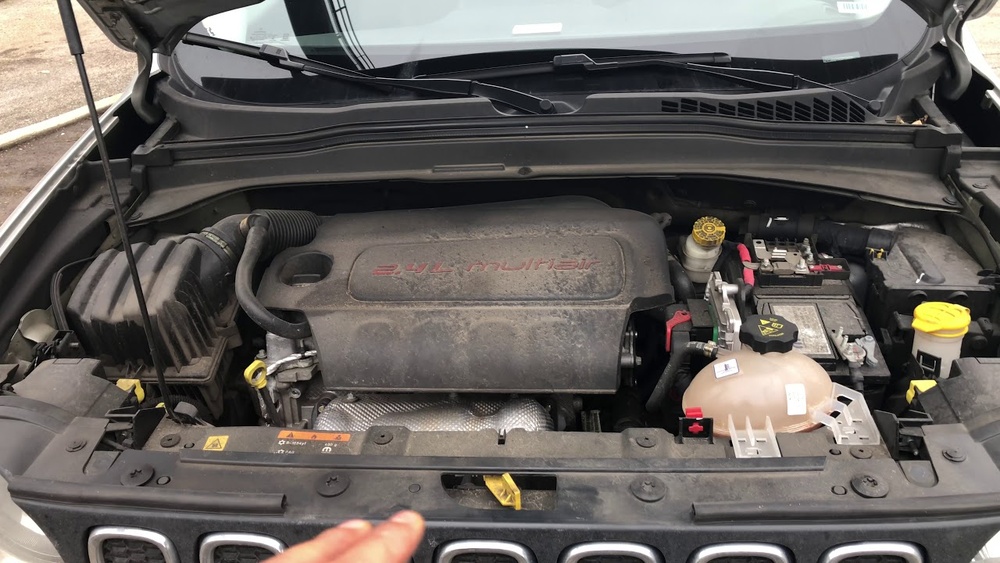
Pull the hood release lever inside your vehicle. Then, go to the front, find the latch under the hood, and raise it. Secure the hood with the support rod.
3. Locate The Dipstick
Look for the yellow or orange handle—that’s the dipstick. In most Renegades, it’s near the front of the engine.
4. Pull Out The Dipstick
Slowly pull the dipstick all the way out. Wipe it clean with your rag or paper towel.
5. Re-insert The Dipstick
Push the dipstick back in fully, then pull it out again. This gives you a true reading.
6. Check The Oil Level
Look at the tip of the dipstick. You’ll see markings (often “MIN” and “MAX” or two dots/lines).
| Marking | What It Means |
|---|---|
| Below MIN | Add oil immediately |
| Between MIN & MAX | Oil level is OK |
| Above MAX | Too much oil—may need to remove some |
7. Inspect Oil Color And Condition
Fresh oil should look amber or light brown. If it’s dark, gritty, or smells burnt, consider changing the oil soon.
8. Add Oil If Needed
If the level is low, find the oil filler cap (usually labeled “OIL” or with an oil can symbol). Remove the cap, add a small amount (about half a quart at a time), wait a minute, and re-check the level.
Avoid overfilling.
9. Secure Everything
Make sure the dipstick and oil cap are back in place. Lower the hood carefully.
Oil Types And Capacities For Jeep Renegade
Your Renegade may have different engines, so always check your owner’s manual for exact oil requirements. Here’s a general guide:
| Engine Type | Recommended Oil | Capacity (with filter) |
|---|---|---|
| 1.3L Turbo | 0W-30 Full Synthetic | 4.8 quarts |
| 2.4L Tigershark | 0W-20 Full Synthetic | 5.5 quarts |
Using the wrong oil type or amount can reduce engine life and even void your warranty. Always double-check before adding oil.
Common Mistakes To Avoid
- Checking oil on a slope: This gives a false reading.
- Not waiting for the engine to cool: Hot oil can splash, and the reading will be inaccurate.
- Overfilling: Too much oil can damage seals and cause leaks.
- Using the wrong oil: Different engines need different types. Double-check the label.
- Ignoring dirty oil: Dark, sludgy oil means it’s time for a change, even if the level is fine.
What To Do If You Notice Problems
If you see milky oil (cloudy or creamy color), your engine might have a coolant leak, which is serious. Very low oil could mean a leak or burning oil. In these cases, get your Jeep checked by a professional as soon as possible.
How Oil Change Intervals Affect Checks
Jeep recommends changing oil every 5,000–7,500 miles for most Renegade models. However, checking between changes is important because driving style, weather, and engine age can all affect how much oil your car uses. Some drivers find they need to top up oil even before the next scheduled change.
Quick Reference: Jeep Renegade Oil Check Steps
| Step | Tip |
|---|---|
| 1. Park Level | Always use a flat spot |
| 2. Wait 10 Minutes | Let oil settle |
| 3. Use Dipstick | Wipe, re-insert, check |
| 4. Add Oil Slowly | Check level after each addition |
Frequently Asked Questions
Can I Use Any Brand Of Oil For My Jeep Renegade?
You can use any reputable oil brand, but always match the viscosity and type (like 0W-20 full synthetic) recommended in your owner’s manual.
How Do I Know If I Added Too Much Oil?
If the dipstick shows oil above the MAX mark, you’ve added too much. Too much oil can cause foaming, leaks, or engine damage. If this happens, have a mechanic drain the excess.
Is It Normal For The Oil Level To Drop Between Changes?
Yes, it’s normal for the oil level to drop a little, especially in new engines or after heavy driving. If you notice rapid loss, check for leaks or visit your dealer.
What Happens If I Skip Checking Oil?
Skipping checks increases your risk of driving with low or dirty oil. This can lead to engine overheating or even total failure, which is expensive to fix.
Where Can I Find More Detailed Information?
For full details and updates, the official Jeep Owners Site is a reliable source.
Taking a few minutes to check your oil keeps your Jeep Renegade running strong. It’s a simple habit that can prevent big problems later. Stay alert, follow the steps, and your Renegade will reward you with years of smooth driving.