Changing a tire on your Jeep Wrangler can feel intimidating, especially if you’ve never done it before. But with the right steps and a bit of practice, you can handle this task confidently. Whether you’re stuck on the roadside or preparing for an off-road adventure, knowing how to change your tire safely and quickly is a valuable skill. Let’s walk through the process, highlight common mistakes, and share practical tips that help beginners avoid trouble.
Essential Tools And Preparation
Before you start, check that you have these basic tools in your Jeep:
- Spare tire (properly inflated)
- Jack (factory or aftermarket)
- Lug wrench
- Wheel chocks (optional but safer)
- Gloves (protects your hands)
Many Jeep Wranglers come equipped with these tools from the factory. However, some owners upgrade their jacks or carry extra tools for off-road use. If you’re using larger aftermarket tires, make sure your jack can lift your Jeep high enough.
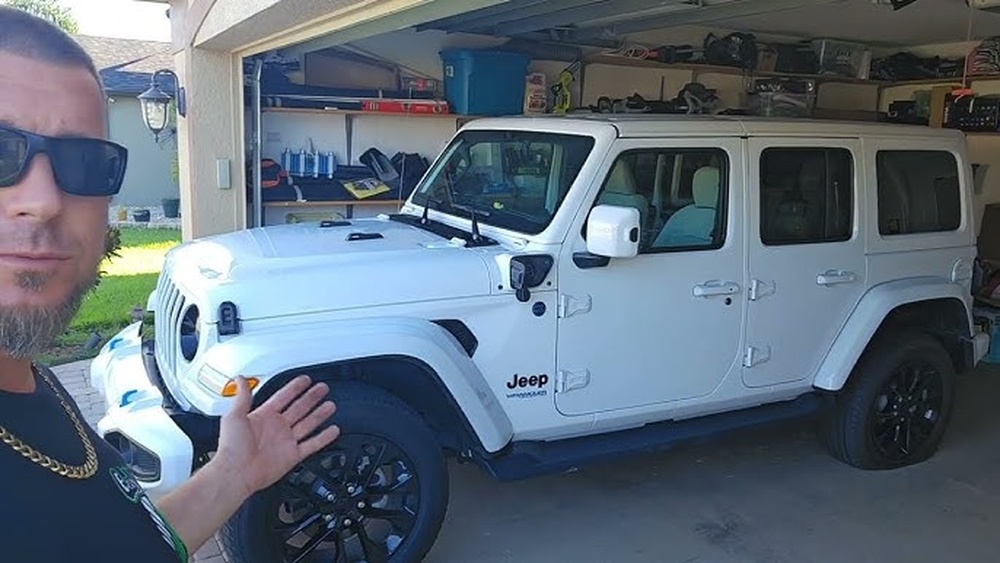
Here’s a comparison of factory vs aftermarket jacks:
| Jack Type | Lift Height | Portability |
|---|---|---|
| Factory Scissor Jack | Up to 15 inches | Compact, fits in trunk |
| Hi-Lift Jack | Up to 48 inches | Bulkier, suited for off-road |
Don’t forget to check your spare tire’s air pressure every few months. A flat spare is a common surprise for beginners.
Step-by-step Tire Changing Guide
Follow these steps to change your Jeep Wrangler tire safely:
1. Park On Level Ground
Make sure your Jeep is stable and away from traffic. Turn on your hazard lights.
2. Apply The Parking Brake
This prevents your Jeep from rolling while you work.
3. Place Wheel Chocks
Put chocks or blocks behind the tires opposite the one you’re changing. This adds stability.
4. Loosen The Lug Nuts
Use the lug wrench to turn each nut counterclockwise. Do this before lifting the vehicle. Don’t remove them completely yet.
5. Position The Jack
Place the jack under your Jeep’s designated lifting point. For Wranglers, this is usually the frame rail near the flat tire.
6. Lift The Jeep
Raise the Jeep until the tire is just off the ground. Don’t lift higher than needed.
7. Remove Lug Nuts And Tire
Take off the lug nuts completely and set them aside. Pull the tire straight off the hub.
8. Mount The Spare
Align the spare with the hub. Push it on, then hand-tighten the lug nuts.
9. Lower The Jeep
Carefully lower the jack until the tire touches the ground.
10. Tighten Lug Nuts
Use the lug wrench to tighten nuts in a star pattern. This ensures even pressure and safer mounting.
11. Check Tire Pressure
Confirm the spare is inflated to the recommended PSI. Most Wranglers use 35 PSI, but check your door sticker for specifics.
Here’s a quick comparison of tire types used on Jeep Wranglers:
| Tire Type | Common Size | Typical PSI |
|---|---|---|
| All-Terrain | 255/75R17 | 35 PSI |
| Mud-Terrain | 285/70R17 | 30 PSI |
| Highway | 245/75R16 | 35 PSI |

Practical Tips And Common Mistakes
Changing a tire is simple, but a few key points make it safer and faster:
- Never jack on soft ground. The jack may sink and the Jeep could fall.
- Don’t over-tighten lug nuts. Use firm pressure, but avoid using your body weight.
- Use the star tightening pattern. Tighten one nut, then the opposite, to avoid uneven mounting.
Many beginners forget to loosen lug nuts before jacking up the Jeep. If you try to loosen them while the wheel spins, it’s much harder and can be unsafe.
Another insight: after changing the tire, drive a few miles and recheck the lug nuts. They can loosen slightly from vibration.
When To Call For Help
Some situations make changing a tire risky or difficult:
- Severe weather (heavy rain, snow, extreme heat)
- Steep or uneven terrain
- Missing tools
- Worn or stripped lug nuts
In these cases, it’s safer to call for roadside assistance. Many insurance plans or Jeep warranties offer this service. If you’re stuck off-road, consider using a portable tire repair kit as a temporary fix.
After Changing The Tire
Once the spare is on, don’t forget:
- Stow your tools properly so nothing is left behind.
- Check tire pressure regularly until you get your main tire repaired or replaced.
- Drive at reduced speed if using a smaller “donut” spare (most Wranglers use full-size spares, but some models don’t).
If your Jeep Wrangler uses a tire pressure monitoring system (TPMS), the dashboard light may stay on until you reset it or repair the main tire.
Here’s a quick look at TPMS reset options:
| TPMS Type | Reset Method | Time Needed |
|---|---|---|
| Direct (sensor) | Drive 10 miles | 10-20 minutes |
| Indirect (ABS) | Manual reset | 5 minutes |
If you need more details on tire maintenance or TPMS, visit the Tire Rack Tire Tech site for expert advice.
Frequently Asked Questions
How Often Should I Check My Jeep Wrangler’s Spare Tire?
Check your spare tire every 3-6 months to ensure it’s fully inflated and not damaged. A flat spare won’t help in an emergency.
Can I Use A Regular Car Jack For My Jeep?
No, a regular car jack may not lift your Jeep high enough or be stable. Always use a jack rated for SUVs or trucks.
How Tight Should I Make The Lug Nuts?
Tighten lug nuts firmly in a star pattern. Over-tightening can damage threads. For best results, use a torque wrench set to 95-105 ft-lbs.
What Is The Safest Place To Jack Up My Jeep Wrangler?
The safest jack point is the frame rail near the wheel you’re changing. Avoid jacking on suspension parts or body panels.
How Long Can I Drive On A Spare Tire?
If your spare is full-size, you can drive normally. If it’s a smaller “donut” spare, limit driving to 50 miles at speeds under 50 mph.
Changing your Jeep Wrangler tire is a skill worth mastering. With a bit of practice and the right tools, you can handle roadside emergencies confidently and safely. Remember, preparation is key—so check your spare and tools before your next adventure.