Removing the brake caliper on a Jeep Grand Cherokee can seem complex if you’ve never done it before. But with the right tools, careful planning, and a bit of patience, you can do this essential maintenance task yourself. Whether you’re replacing worn brake pads, servicing the caliper, or tackling a full brake job, understanding the steps will help you avoid mistakes and keep your Jeep safe on the road.
Tools And Materials Needed
Before starting, gather everything you’ll need. Missing a tool halfway through can be frustrating and even dangerous.
Essential tools:

- Jack and jack stands
- Lug wrench or impact wrench
- Socket set (metric and SAE)
- Ratchet and breaker bar
- Flathead screwdriver or small pry bar
- Bungee cord or sturdy wire
- Brake cleaner
- Gloves and safety glasses
Helpful extras:
- Torque wrench for reassembly
- Rubber mallet
- Penetrating oil (for rusty bolts)
Safety First: Preparing Your Jeep
Never skip safety. Park your Jeep Grand Cherokee on a flat, stable surface. Apply the parking brake and place wheel chocks behind the rear wheels.
- Loosen the lug nuts (don’t remove yet). This is easier when the wheel is still on the ground.
- Lift the vehicle with a jack under the recommended lift points.
- Secure with jack stands. Never trust a jack alone to hold up a vehicle.
Tip: Always double-check your support. A falling car can cause serious injury.
Removing The Wheel
Once your Jeep is safely supported, take off the lug nuts and remove the wheel. This gives you full access to the brake caliper.
Locating The Brake Caliper And Key Components
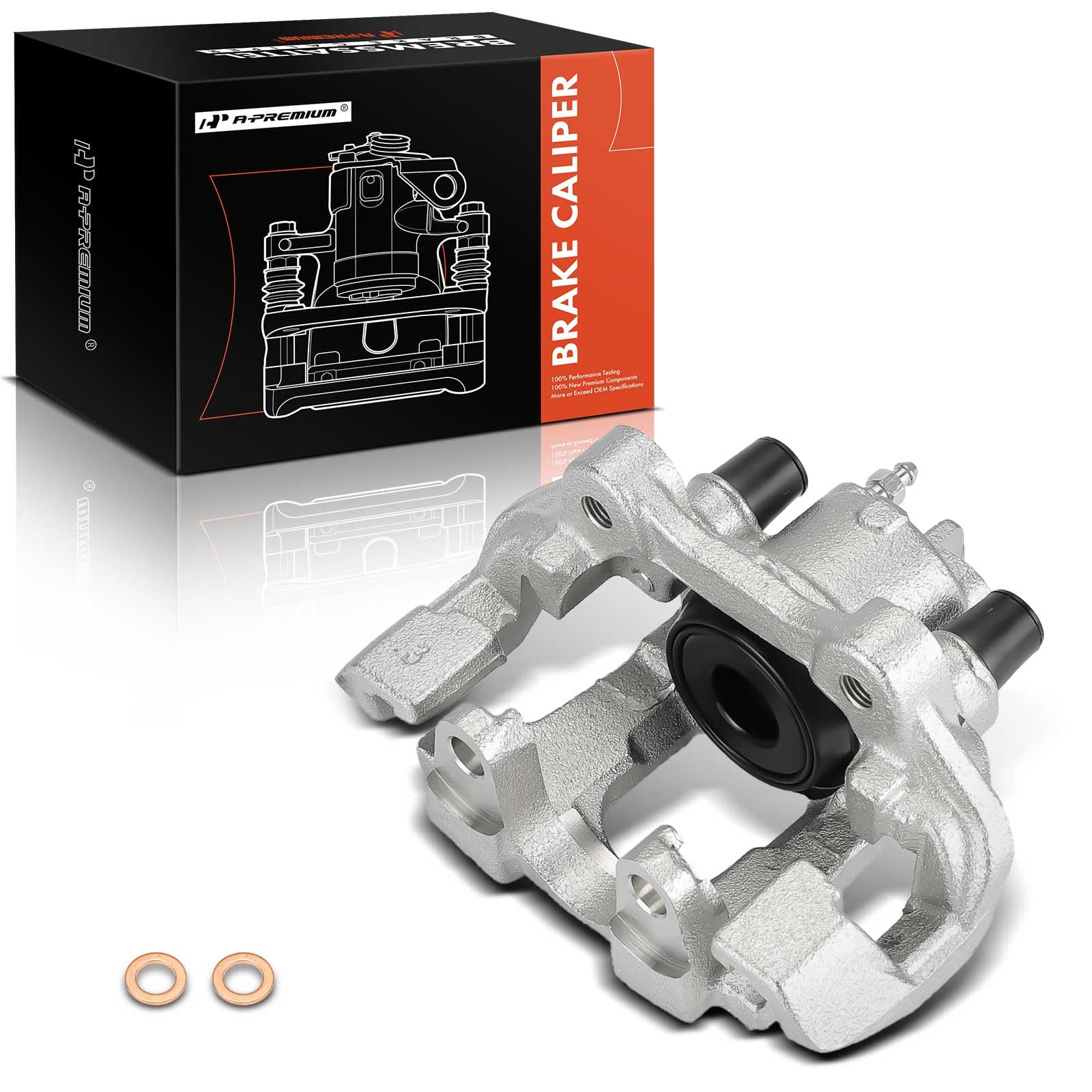
The brake caliper is the part that squeezes the brake pads against the rotor to stop your Jeep. On the Grand Cherokee, the caliper is attached with two main bolts (sometimes called slider pins).
Here’s a quick look at the main parts you’ll see:
| Component | Description |
|---|---|
| Brake Caliper | Houses the piston and presses pads onto the rotor |
| Caliper Bracket | Holds the caliper in place |
| Slider Pins | Allow caliper movement for even braking |
| Brake Pads | Friction material that contacts the rotor |
| Rotor | Disc that spins with the wheel |
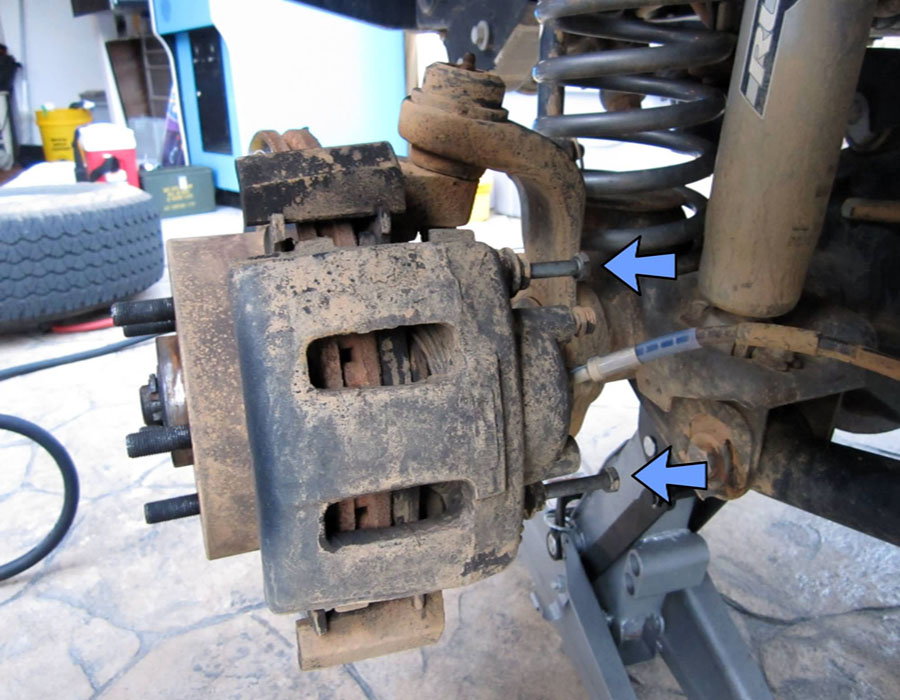
Step-by-step: How To Remove The Brake Caliper
Follow these steps carefully. The process is similar for all Grand Cherokee models, but always check your owner’s manual for specific instructions.
1. Inspect Before You Remove
Look for:
- Leaks around the caliper
- Uneven or worn pads
- Rust on bolts
If you see a lot of rust, spray penetrating oil and wait a few minutes.
2. Remove Caliper Bolts
Find the two caliper mounting bolts on the back side. Use the right socket size and a ratchet or breaker bar.
- Hold the caliper steady as you loosen the bolts.
- If a bolt is stuck, use more penetrating oil or gentle taps with a rubber mallet.
3. Separate The Caliper
Once bolts are out:
- Use a flathead screwdriver to carefully pry the caliper away from the rotor if needed.
- Do not force it. If stuck, check for hidden fasteners or clips.
Important: Never let the caliper hang from the brake hose. This can damage the line and lead to leaks.
4. Secure The Caliper
Hang the caliper with a bungee cord or wire from the suspension. This keeps tension off the brake hose.
5. Remove The Brake Pads (if Needed)
With the caliper off, you can slide the pads out. Inspect for uneven wear—a sign of caliper or hardware problems.
6. Check Caliper Condition
Look for:
- Torn or cracked rubber seals
- Seized or sticky pistons
- Fluid leaks
If you find issues, consider rebuilding or replacing the caliper before reinstallation.
Common Mistakes To Avoid
Many beginners make small errors that can cause big problems later.
| Mistake | Consequence |
|---|---|
| Letting caliper hang from hose | Damaged brake line, potential leaks |
| Mixing up bolts | Improper fit or unsafe reassembly |
| Forgetting to clean components | Poor brake performance, noise |
| Over-tightening bolts | Stripped threads, broken bolts |
Pro tip: Take photos as you go. It helps during reassembly.

Reinstallation Tips
After removing the caliper, reinstall in the reverse order. Use a torque wrench to tighten bolts to the correct specifications (usually around 25–35 ft-lbs, but check your manual). Pump the brake pedal several times before driving to seat the pads and ensure a firm pedal.
When Should You Replace Vs. Remove?
Sometimes you may only need to remove the caliper to change pads. But if you notice these signs, replacement may be necessary:
- Piston won’t compress or is seized
- Leaks from caliper body
- Deep rust or cracks
Example: If your Jeep Grand Cherokee pulls to one side while braking or you hear grinding, inspect the caliper closely.
Practical Insights Most Miss
- Brake fluid absorbs moisture over time. If you disconnect the caliper, air can enter the system. Always bleed brakes if you open the hydraulic line.
- Slider pins need regular lubrication. Dry or rusted pins can cause uneven pad wear and noisy brakes.
Most guides skip these points, but they’re critical for safety and performance.
Frequently Asked Questions
How Long Does It Take To Remove A Brake Caliper On A Jeep Grand Cherokee?
Most first-timers can expect about 30 to 60 minutes per wheel. With experience, it takes less time. If bolts are rusty, add extra time for soaking with penetrating oil.
Do I Need To Bleed Brakes After Removing The Caliper?
If you do not disconnect the brake hose, bleeding isn’t usually necessary. But if you remove the hose or see fluid leaks, always bleed the brakes to prevent air in the system.
What Size Socket Do I Need For The Caliper Bolts?
Most Jeep Grand Cherokees use 13mm or 15mm sockets for caliper bolts. Check your specific model year to be sure. Using the wrong size can round off the bolt head.
Can I Drive With One Caliper Removed?
No, never drive with any brake caliper removed. The brake system won’t work properly, and it’s extremely dangerous.
Where Can I Find Official Torque Specs For My Jeep Grand Cherokee Brakes?
Consult your owner’s manual or visit the official Jeep website. For more technical data, see this Jeep Grand Cherokee overview.
Taking off the brake caliper on your Jeep Grand Cherokee is a manageable job if you follow each step carefully and respect safety guidelines. Remember, brakes are your most important safety system—never rush or skip details. If you ever feel unsure, consult a professional mechanic.
Proper maintenance today means confidence every time you hit the brakes.