Changing the oil in your Jeep Cherokee is one of the smartest ways to keep your engine healthy and running smoothly. Many drivers pay for this service at a shop, but doing it yourself can save money and help you understand your vehicle better. This guide will walk you through each step, highlight important tips, and explain things beginners often miss. Whether you drive a newer model or an older Cherokee, these instructions will work for most versions.
Why Oil Changes Matter
Engine oil protects your engine by reducing friction, cooling parts, and removing dirt. Over time, oil breaks down and loses its ability to protect. If you skip regular oil changes, your Jeep’s engine may wear out faster, use more gas, or even fail. Most experts recommend changing oil every 5,000–7,500 miles for modern Cherokees, but older models may need it sooner. Always check your owner’s manual for the right interval.
What You Need Before Starting
Make sure you have these tools and supplies:
- New oil (check your manual for type and amount)
- New oil filter
- Oil filter wrench
- Socket wrench (usually 13mm or 15mm for drain plug)
- Oil drain pan
- Funnel
- Gloves
- Rags
- Jack and jack stands (or ramps)
For example, a 2018 Jeep Cherokee with a 2.4L engine uses 5W-20 oil and needs about 5 quarts.
| Model Year | Engine Type | Oil Type | Oil Capacity (quarts) |
|---|---|---|---|
| 2014-2019 | 2.4L | 5W-20 | 5.0 |
| 2014-2019 | 3.2L V6 | 5W-20 | 6.0 |
| 2020-2023 | 2.0L Turbo | 0W-20 | 5.0 |
Step-by-step Oil Change
1. Prepare Your Jeep
Park your Jeep on a flat surface. Let the engine cool for at least 15 minutes to avoid burns. If needed, use a jack and jack stands to lift the front for easier access.
2. Locate The Oil Drain Plug
Find the oil drain plug under the engine. Place the drain pan underneath. Loosen the plug with a socket wrench. Oil will begin to drain—wait until it slows to a drip.
3. Remove And Replace Oil Filter
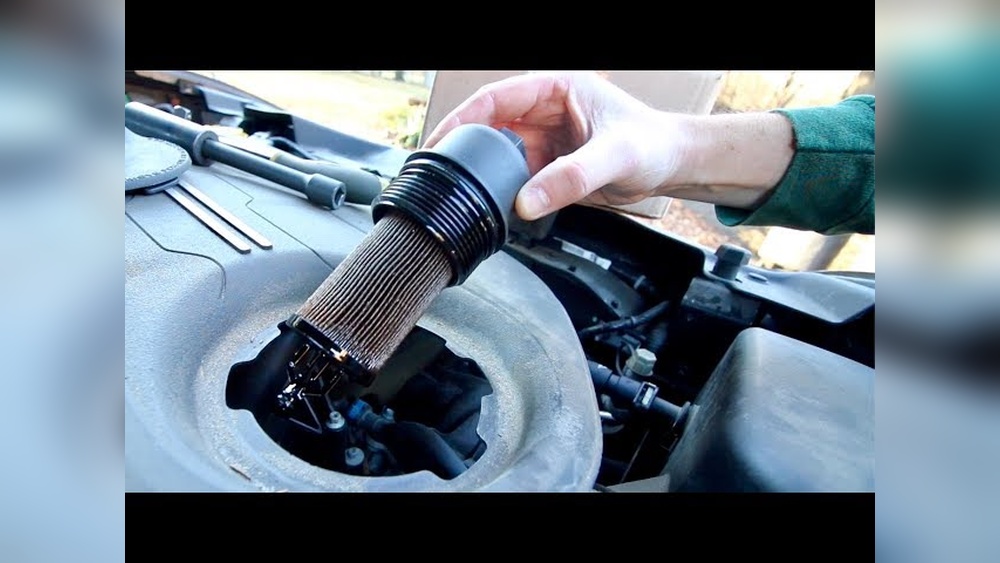
Using the oil filter wrench, unscrew the oil filter. Some filters are hard to reach, so be patient. Let remaining oil drain from the filter area. Before installing the new filter, rub a bit of fresh oil on its rubber gasket. This prevents leaks.
4. Install Drain Plug And New Filter
Once oil has drained, tighten the drain plug back in place. Don’t overtighten—this can strip the threads. Screw the new oil filter on until snug, then give it another quarter turn.
5. Add New Oil
Open the hood and remove the oil fill cap. Using a funnel, pour in the correct amount and type of oil. Check the dipstick to make sure you reach the proper level.
| Oil Type | Cold Start Performance | Fuel Economy |
|---|---|---|
| 5W-20 | Good | Moderate |
| 0W-20 | Excellent | High |
| 10W-30 | Fair | Low |
6. Start Engine And Check
Start your Jeep and let it run for about a minute. Check for leaks underneath. Turn off the engine, wait a few minutes, and check the oil level again. Top up if needed.
7. Dispose Of Old Oil Properly
Never pour used oil down the drain or in the trash. Most auto shops accept used oil for recycling. This keeps the environment safe and avoids fines.
Common Mistakes To Avoid
Many beginners miss these points:
- Forgetting to replace the oil filter
- Using the wrong oil type or amount
- Over-tightening the drain plug (can cause leaks)
- Not checking for leaks after finishing
- Failing to dispose of oil safely
Always double-check your work and follow each step carefully.
| Mistake | Possible Result |
|---|---|
| Wrong oil type | Poor engine performance |
| Skipping filter change | Dirty oil circulates |
| Drain plug overtightened | Stripped threads, leaks |

Two Insights Most Beginners Miss
- Check the oil filter location before buying tools. Some Jeep Cherokee models have filters in hard-to-reach spots. Buying the right wrench saves frustration.
- Reset the oil change indicator inside your Jeep after finishing. This keeps your maintenance records accurate and reminds you when the next change is due.
Practical Tips For Success
- Warm oil drains faster and removes more dirt, but never work on a hot engine.
- Always use a funnel to avoid spills.
- Write down the date and mileage after each oil change for easy tracking.
- If your Jeep has an oil life monitor, follow its alerts for the best timing.
- Buy a quality oil filter—cheap filters can fail and cause engine problems.

When To Seek Professional Help
If you notice metal shavings in the old oil, see a mechanic right away. Also, if oil leaks continue after your change, or you struggle to remove the filter, don’t force it. Some issues need expert tools or knowledge.
For more details on oil types and car maintenance, visit the Edmunds Oil Change Guide.
Frequently Asked Questions
How Often Should I Change Oil In My Jeep Cherokee?
Most Jeep Cherokees need oil changes every 5,000–7,500 miles, but check your manual for the exact interval.
What Type Of Oil Does My Jeep Cherokee Use?
It depends on your engine. Most recent models use 5W-20 or 0W-20. Always confirm with your owner’s manual.
Can I Use Synthetic Oil In My Cherokee?
Yes, synthetic oil is safe and often recommended. It lasts longer and protects better in extreme temperatures.
How Do I Reset The Oil Change Light?
Turn the ignition on without starting the engine. Press the gas pedal three times within ten seconds. The light should reset.
What Should I Do With Used Oil?
Take used oil to a recycling center or auto shop. Never dispose of it in the trash or drains—it’s illegal and harms the environment.
Changing oil in your Jeep Cherokee is easier than most people think. With the right tools, good instructions, and a little patience, you can keep your Jeep running strong for years. This simple task not only saves money but also builds confidence in caring for your vehicle.