Storing your Jeep hardtop correctly helps keep it safe from scratches, cracks, and weather damage. Whether you drive a Wrangler or Gladiator, your hardtop is a big investment. Many owners struggle with finding the right space or method to store their hardtop after removal.
Poor storage can lead to broken seals, faded paint, or even warping. In this guide, you’ll learn practical steps, smart solutions, and common mistakes to avoid, so your Jeep hardtop stays in top condition for years.
Why Proper Hardtop Storage Matters
Jeep hardtops are made from fiberglass or composite materials. They’re tough, but not indestructible. If you store your hardtop on its side or leave it outside, you risk cracks, paint chips, or water leaks. A damaged hardtop can cost $1,500 or more to replace. Taking a few extra minutes to store it properly saves money and keeps your Jeep looking sharp.

Preparing Your Hardtop For Storage
Before you store your hardtop, make sure it’s clean and dry. Dirt and moisture can cause mold, rust on metal parts, or dull paint.
- Wash your hardtop with mild soap and water.
- Dry it completely—use a soft towel or let it air dry.
- Inspect for damage. Look for cracks, loose seals, or faded paint.
- Apply silicone spray to the seals if needed. This keeps rubber flexible.
Never store a wet hardtop. Moisture trapped inside leads to mildew and bad odors.

Choosing The Best Storage Location
Where you keep your hardtop makes a big difference. Here’s a comparison of common options:
| Location | Protection Level | Space Needed | Cost |
|---|---|---|---|
| Garage | High | Medium | Low |
| Basement | High | High | Low |
| Outdoor Shed | Medium | Medium | Medium |
| Driveway (covered) | Low | Low | None |
Garage storage is best. It protects from rain, UV rays, and theft. If you don’t have garage space, a dry basement is good, but hardtops are heavy and hard to carry downstairs. Outdoor sheds offer some protection, but check for leaks and rodents.
Hardtop Storage Methods Compared
You have several ways to store your hardtop. Each method has pros and cons:
| Method | Ease of Use | Safety | Cost |
|---|---|---|---|
| Floor Stand | Easy | High | $80-$200 |
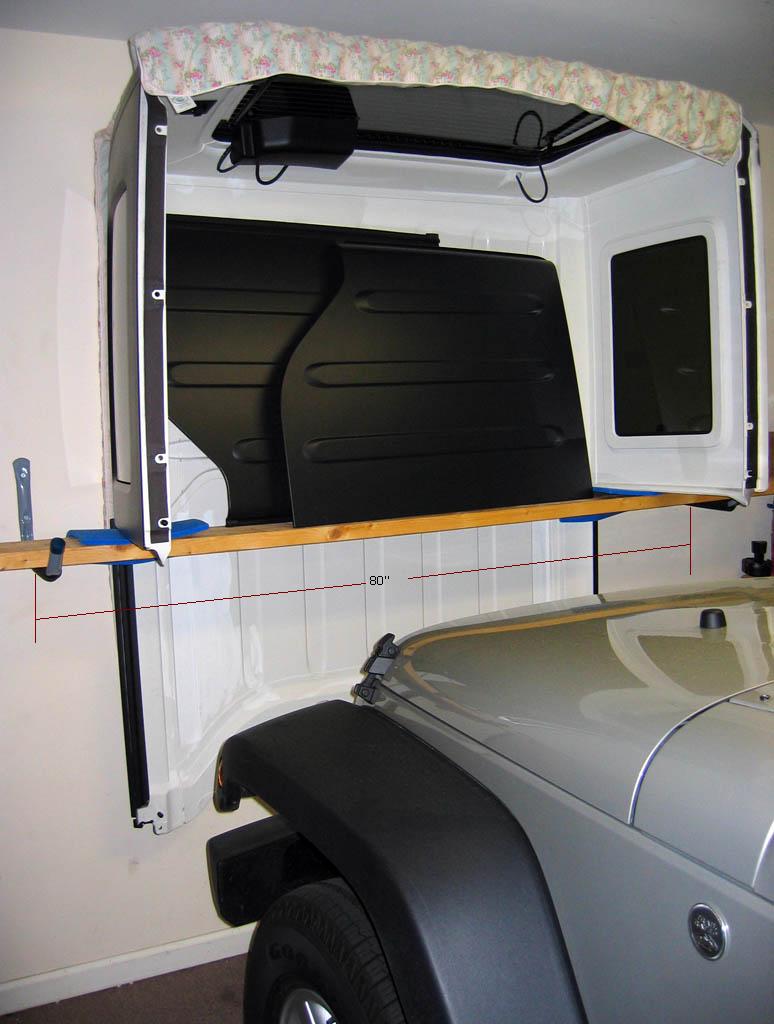
| Wall Mount | Moderate | Medium | $50-$120 |
| Ceiling Hoist | Moderate | High | $150-$350 |
| DIY Blanket Wrap | Easy | Low | Free |
Floor stands are stable and prevent tipping. Wall mounts save space but need strong studs. Ceiling hoists are great for garages with high ceilings. They let you lift the hardtop with a crank or pulley. DIY blanket wraps work in a pinch, but offer little protection.

Step-by-step Hardtop Storage Guide
Follow these steps for safe, long-term storage:
- Remove the hardtop carefully. Get help—most Jeep hardtops weigh 100–140 lbs. Don’t force it.
- Check the storage area. Make sure it’s clean, dry, and free of sharp objects.
- Choose a storage method. If using a floor stand, place it in a low-traffic spot. For wall mounts, double-check all bolts.
- Lift and place the hardtop. Keep it upright (never on its side or roof), and avoid dragging.
- Cover the hardtop. Use a soft, breathable cover to protect from dust and scratches.
- Store hardware and seals separately. Use a labeled bag for bolts and latches, so nothing gets lost.
Extra tip: If you use a ceiling hoist, test the system before storing the hardtop. Cheap hoists sometimes fail under heavy loads.
Common Mistakes And How To Avoid Them
Many Jeep owners make simple errors that can ruin their hardtop:
- Storing it outside without cover—leads to fading and cracks.
- Putting it on rough surfaces—scratches the paint.
- Stacking objects on top—causes warping.
- Forgetting to clean before storage—attracts pests and mold.
One mistake many beginners overlook: not storing the hardware (bolts, latches) in a safe place. Losing these small parts makes reinstalling difficult and costly.
Extra Protection And Security Tips
Consider these steps for added safety:
- Use a lockable storage rack if your garage is shared.
- Place foam pads under the hardtop to prevent sliding.
- Add silica gel packs inside the cover to absorb moisture.
If you live in a humid area, check the hardtop monthly for mold or moisture buildup. For detailed tips on storing automotive parts, visit Family Handyman.
Frequently Asked Questions
How Heavy Is A Jeep Hardtop?
Most Wrangler hardtops weigh between 100 and 140 lbs. Two adults should lift it together. Gladiator hardtops may be heavier.
Can I Store My Hardtop Outside?
It’s possible, but not recommended. Outdoor storage exposes it to UV rays, rain, and temperature changes, which damage seals and paint. Always use a waterproof cover.
Do I Need A Special Rack For Storage?
A special rack isn’t required, but it helps. Floor stands and wall mounts keep your hardtop stable and safe. DIY solutions work if you protect the surface.
How Much Space Does A Hardtop Need?
A Jeep hardtop is about 5 feet wide and 3 feet tall. Allow at least 6 x 4 feet of clear space. Don’t crowd it with other items.
How Do I Prevent Mold During Storage?
Clean and dry the hardtop before storing. Use a breathable cover and silica gel packs to absorb moisture. Avoid humid locations.
Storing your Jeep hardtop the right way takes a little effort, but it pays off. You’ll avoid expensive repairs, keep your Jeep looking great, and make reinstalling easy. Choose the best location and method for your space, and check your hardtop regularly.
With these tips, your Jeep hardtop will stay safe until your next adventure.