Replacing a thermostat on your Jeep might sound complex, but with the right steps, it’s a task you can handle at home. Many Jeep owners face overheating engines or poor heater performance, and often, the thermostat is to blame. Swapping it out can restore proper temperature control, help your engine run efficiently, and even save you money compared to a repair shop visit. If you’re ready to grab some tools and get your hands a little dirty, this guide will walk you through the process with practical tips and clear instructions.
Why Replace Your Jeep Thermostat?
The thermostat is a small but vital part of your engine’s cooling system. It controls when coolant flows to the radiator, keeping the engine at the right temperature. When it fails, you might notice:
- High temperature gauge readings
- Erratic temperature changes
- No heat from the heater
- Coolant leaks near the thermostat housing
A faulty thermostat can cause engine damage if ignored. Replacing it early prevents overheating and keeps your Jeep running smoothly.
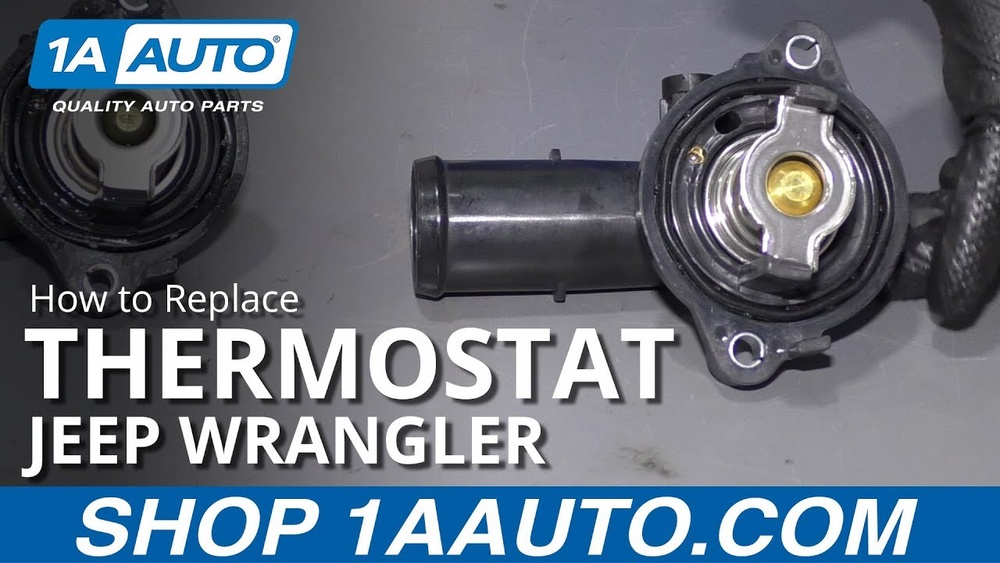
What You’ll Need
Before you start, gather these tools and supplies:
- New Jeep thermostat (correct for your model)
- Gasket or sealant (if required)
- Socket set and ratchet (8mm, 10mm common sizes)
- Screwdrivers
- Drain pan
- Pliers
- Coolant (enough for refill)
- Rags or shop towels
- Scraper or razor blade
Pro tip: Always check your Jeep’s manual for the exact location and part number. Some thermostats are different even within the same year.
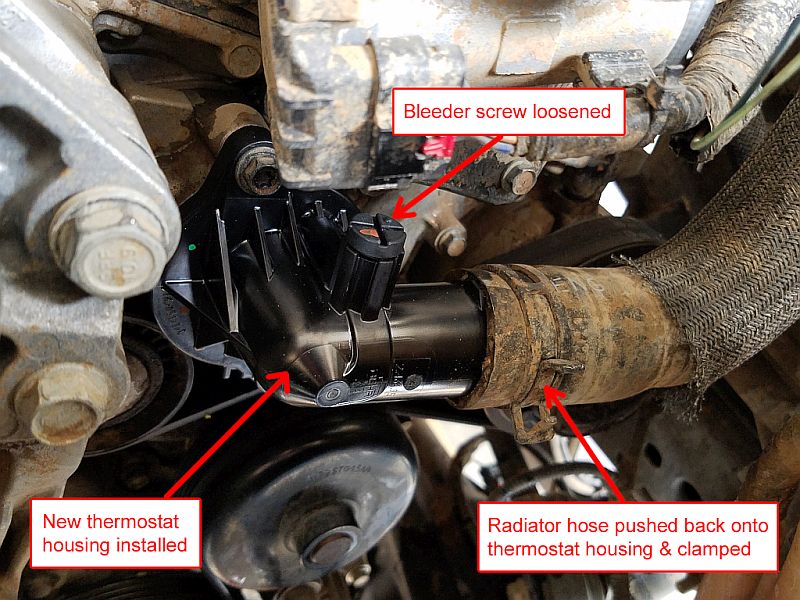
Step-by-step: How To Replace Jeep Thermostat
Follow these steps for a safe and efficient replacement:
1. Let The Engine Cool
Never open the cooling system on a hot engine. Wait at least 30 minutes after shutting off your Jeep.
2. Locate The Thermostat Housing
Open the hood and find the large upper radiator hose. It connects to the thermostat housing on the engine. The housing is usually held by two or three bolts.
3. Drain The Coolant
Place a drain pan under the radiator. Open the radiator drain valve or remove the lower hose to let about a gallon of coolant flow out. This prevents spills when you remove the housing.
4. Remove The Thermostat Housing
Use a socket and ratchet to loosen the bolts. Carefully pull off the housing. Some coolant may still drip out—be ready with rags.
5. Take Out The Old Thermostat
Note how it’s positioned (spring side faces the engine). Pull it out and remove the old gasket.
6. Clean The Mating Surfaces
Scrape off any old gasket material from the housing and engine. A clean surface ensures a tight seal.
7. Install The New Thermostat
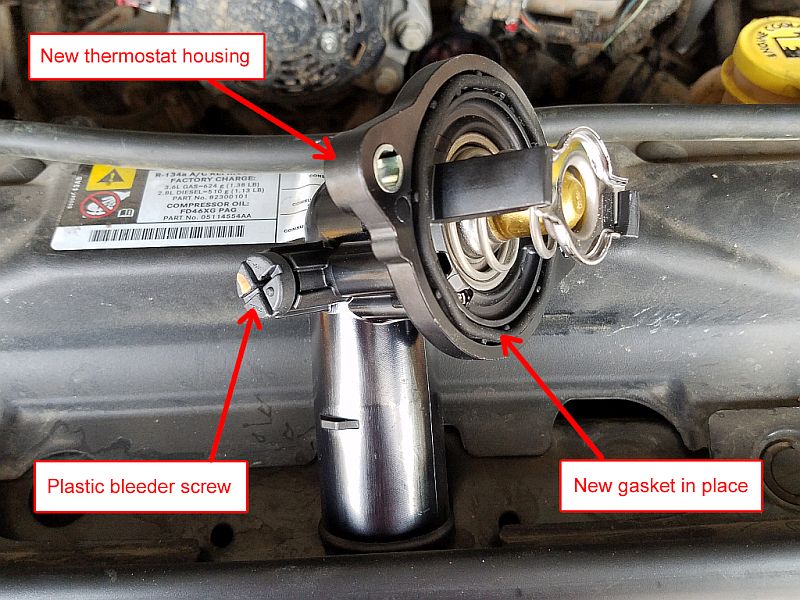
Place the new thermostat in the same position as the old one. Install a new gasket or apply sealant as required by your manual.
8. Reattach The Housing
Bolt the housing back, tightening bolts evenly. Don’t overtighten—this could crack the housing.
9. Refill The Coolant
Pour fresh coolant into the radiator. Check your manual for the correct mix (usually 50/50 coolant and water).
10. Check For Leaks And Test
Start the engine. Let it warm up while you watch for leaks. The temperature gauge should rise and then stay steady.
Here’s a comparison of time and cost between DIY and a repair shop:
| Method | Estimated Time | Typical Cost |
|---|---|---|
| DIY Replacement | 1-2 hours | $20-$60 |
| Repair Shop | 2-4 hours (with wait) | $150-$300 |
Common Mistakes To Avoid
- Forgetting to let the engine cool: Hot coolant can cause serious burns.
- Mixing up thermostat direction: The spring side must always face the engine.
- Not cleaning the surfaces: Leftover gasket material can cause leaks.
- Using the wrong coolant: Always use the type recommended for your Jeep.
Extra Tips For Success
- Bleed air from the system: Some Jeeps trap air easily. After filling, squeeze radiator hoses and check for bubbles.
- Save some old coolant: In case you need to check for contamination or leaks.
- Inspect hoses and clamps: While you’re under the hood, look for cracks or wear in hoses.
Here’s a quick look at signs your thermostat is failing:
| Sign | What It Means |
|---|---|
| High temperature gauge | Thermostat stuck closed |
| Low temperature, no heat | Thermostat stuck open |
| Coolant leaks | Bad gasket or housing |
When To Call A Mechanic
If you notice coolant mixing with oil, or if your Jeep overheats after replacing the thermostat, the problem could be more serious. Head gasket issues or water pump failure may need professional attention. Don’t hesitate to get help if you feel unsure or see warning lights after your repair.

Frequently Asked Questions
How Often Should I Replace My Jeep Thermostat?
Most thermostats last 5-10 years or about 60,000-100,000 miles. Replace it if you see signs of failure or as part of a major cooling system service.
Can I Drive With A Bad Thermostat?
It’s risky. A stuck-closed thermostat can cause engine overheating, which may lead to expensive damage. A stuck-open thermostat can make your heater useless and your engine less efficient.
Is It Okay To Reuse Old Coolant?
If your coolant is clean and less than two years old, you can reuse it. But always check for contamination and top up with the correct mix.
Do All Jeeps Use The Same Thermostat?
No. Thermostats vary by model, year, and engine. Check your owner’s manual or parts store for the right one.
Where Can I Learn More About Cooling Systems?
For a deeper understanding, visit the Wikipedia Thermostat (automotive) page for more detailed technical information.
Replacing your Jeep thermostat is a practical project for most DIYers. With basic tools, patience, and careful steps, you’ll keep your engine running cool and avoid expensive repairs. Always double-check your work and don’t rush—your Jeep will thank you with many more miles on the road.