Jeepneys: The Heartbeat Of Filipino Transportation
Colorful, noisy, and always full of life, jeepneys are much more than just vehicles in the Philippines. They are a symbol of Filipino creativity, a vital public transport system, and a cultural icon known across the world. For millions of Filipinos, the jeepney is not just a ride—it’s a daily experience connecting people, places, and dreams.
The Origin And Evolution Of Jeepneys
Jeepneys trace their roots to World War II. After the war, US military jeeps were left behind in the Philippines. Locals saw an opportunity. They extended the bodies, added vibrant paint, and turned them into public transport vehicles. At first, jeepneys carried just a handful of passengers. Over the decades, designs became longer and more elaborate, fitting up to 20 people at a time.
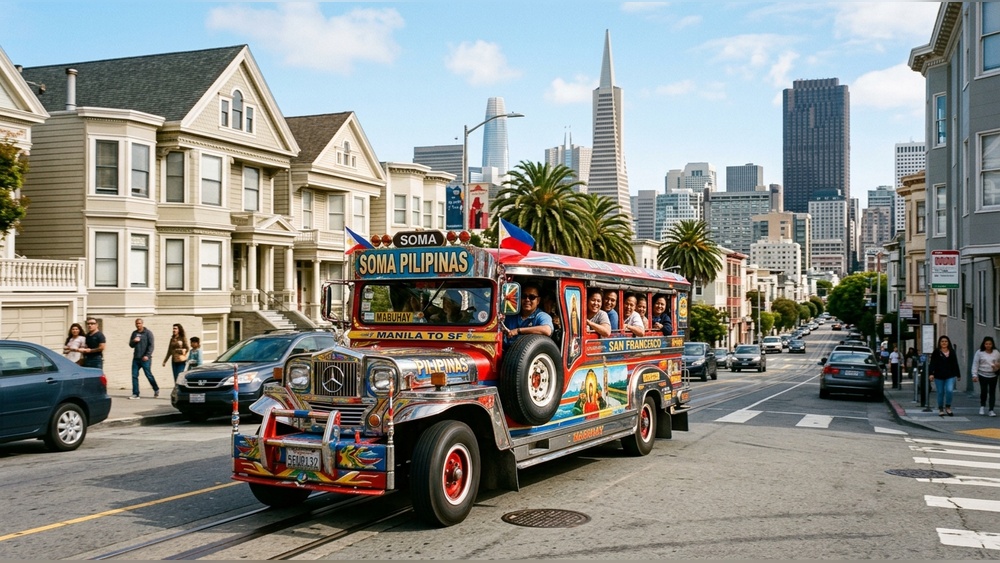
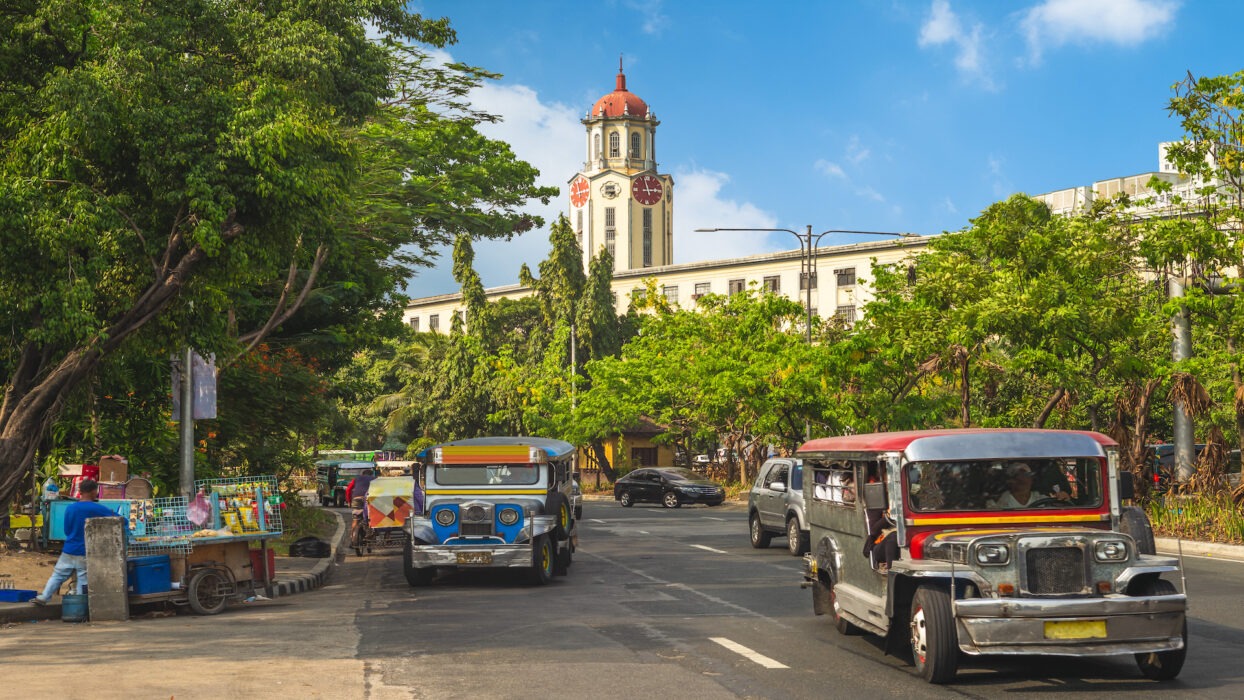
Today, jeepneys are everywhere—from busy Manila streets to small towns. Each one is decorated with bright colors, religious symbols, and personal touches from the owner. This transformation tells a story of Filipino resourcefulness and passion for art.
Why Jeepneys Matter To Filipinos
Jeepneys are the backbone of the country’s transport system. Every day, over 40,000 jeepneys operate in Metro Manila alone, carrying millions of passengers. Jeepneys offer a cheap and reliable way for people to travel to work, school, and markets.
Here’s why jeepneys are so important:
- Affordable fares: A typical ride costs only 12–15 pesos (about $0.20–$0.30).
- Flexible routes: Jeepneys cover areas where buses and trains can’t go.
- High frequency: You can find a jeepney almost any time of day.
- Community feel: Passengers often help each other, passing fares to the driver and sharing stories.
Yet, jeepneys also face challenges. Many are old and produce more pollution than modern vehicles. The government has started programs to modernize jeepneys, aiming for safer, cleaner, and more efficient rides.
Riding A Jeepney: How It Works
For many visitors, riding a jeepney is confusing at first. But locals know the system well. Here’s a quick guide to help you understand:
- Flag down: Stand by the roadside and wave to signal a jeepney.
- Boarding: Enter from the back. Find a seat among the bench rows.
- Pay the fare: Pass your money forward using other passengers.
- Know your stop: Say “Para!” (Stop!) When you want to get off.
- Exit quickly: Leave through the back, making space for others.
Most jeepneys have signs showing their route. Drivers sometimes decorate their jeepneys with unique names or artwork, making each one different.
Common Jeepney Routes In Metro Manila
Here’s a comparison of three popular routes:
| Route Name | Distance (km) | Average Fare (PHP) | Approx. Time (min) |
|---|---|---|---|
| Quiapo to Baclaran | 12 | 18 | 45 |
| Divisoria to Taft | 8 | 15 | 30 |
| Monumento to SM North | 6 | 13 | 25 |
Jeepney Design: A Moving Canvas
Jeepneys are famous for their look. Owners spend money and time making sure their vehicles stand out. Common decorations include:
- Chrome bumpers and grills
- Bright paintings of religious figures, animals, or landscapes
- Flashing lights and loud music
- Unique names, often honoring family or loved ones
These designs aren’t just for show. They reflect the owner’s personality and values, turning the jeepney into a moving piece of Filipino culture.
Traditional Vs Modern Jeepneys
Let’s compare classic and modern jeepneys:
| Feature | Traditional Jeepney | Modern Jeepney |
|---|---|---|
| Engine Type | Diesel, old engines | Euro 4, cleaner engines |
| Capacity | 16–20 people | 20–24 people |
| Comfort | Basic benches | Cushioned seats, air-conditioning |
| Design | Hand-painted, unique | Standard, less personalized |
| Safety | Minimal safety features | Seatbelts, CCTV, GPS |
Many Filipinos feel nostalgic for the traditional jeepney’s style. However, modern jeepneys offer more comfort and safety, which is better for passengers, especially during bad weather or busy hours.

The Future Of Jeepneys
The Philippine government launched the Jeepney Modernization Program to replace old units with new, eco-friendly models. This aims to reduce pollution and improve passenger safety. Some drivers worry about the cost, as new jeepneys can cost over 1.5 million pesos ($26,000).
Yet, modernization is moving forward. In 2023, about 7,000 modern jeepneys were operating nationwide. Many cities encourage drivers to shift, offering loans and incentives. Experts believe that a balance between tradition and progress is possible—keeping the jeepney spirit alive while making transport safer and cleaner.
Environmental Impact: Traditional Vs Modern Jeepneys
Here’s a quick look at their emissions:
| Jeepney Type | CO2 Emissions (g/km) | Noise Level (dB) |
|---|---|---|
| Traditional | 340 | 85 |
| Modern | 190 | 70 |
Modern jeepneys release less carbon dioxide and are quieter, which helps city air and reduces stress for passengers.
Jeepneys And Filipino Identity
Ask any Filipino about jeepneys, and you’ll hear stories from childhood, daily commutes, or fun rides with friends. Jeepneys appear in movies, songs, and postcards. For many, riding a jeepney means sharing space, laughter, and sometimes even food with strangers.
It’s a reminder that Filipinos value community and connection.
A non-obvious insight: Jeepneys are also a lifeline for rural areas, where transport choices are limited. Without jeepneys, many communities would struggle to access hospitals, schools, and jobs.
Another overlooked fact: Jeepney drivers often work long hours—up to 14 hours a day—to support their families, showing the vehicle’s role in both transport and livelihood.

Frequently Asked Questions
What Is A Jeepney?
A jeepney is a public transport vehicle in the Philippines. It’s known for its bright colors and open seating, carrying passengers along fixed routes.
How Much Does A Jeepney Ride Cost?
The minimum fare is usually 12–15 pesos for the first 4 kilometers. Longer rides cost more, but jeepneys remain one of the cheapest options.
Are Jeepneys Safe To Ride?
Jeepneys are generally safe, but older models lack modern safety features. Modern jeepneys have seatbelts, CCTV, and GPS for added security.
Why Are Jeepneys So Colorful?
Owners decorate their jeepneys with paintings, stickers, and lights to show personality and attract passengers. It’s a unique part of Filipino culture.
What Is The Jeepney Modernization Program?
This government program aims to replace old jeepneys with cleaner, safer vehicles. The goal is to reduce pollution and improve passenger comfort. You can learn more at Wikipedia.
Jeepneys are more than just vehicles—they are the heartbeat of Filipino transportation. They connect cities, unite communities, and show the world the spirit and creativity of the Philippines. As jeepneys evolve, their role in daily life stays strong, proving that tradition and progress can move forward together.