If you’ve noticed a coolant leak at the back of your Jeep Grand Cherokee’s engine, you’re not alone. This issue can be frustrating, especially when you don’t know where the leak is coming from or how serious it might be. Coolant leaks are more than a simple nuisance—they can lead to overheating, engine damage, and expensive repairs if left untreated. Understanding the causes, spotting the symptoms, and knowing your repair options will help you protect your Jeep and avoid costly surprises.
Common Causes Of Coolant Leaks At The Back Of The Engine
Several parts can fail and cause coolant leaks at the back of the engine. Some are easy to fix, while others are more complex.
1. Intake Manifold Gasket
This gasket seals the intake manifold to the engine. When it fails, coolant may leak from the back of the engine. Over time, heat and vibration cause the gasket to crack or shrink.
2. Heater Core Hoses
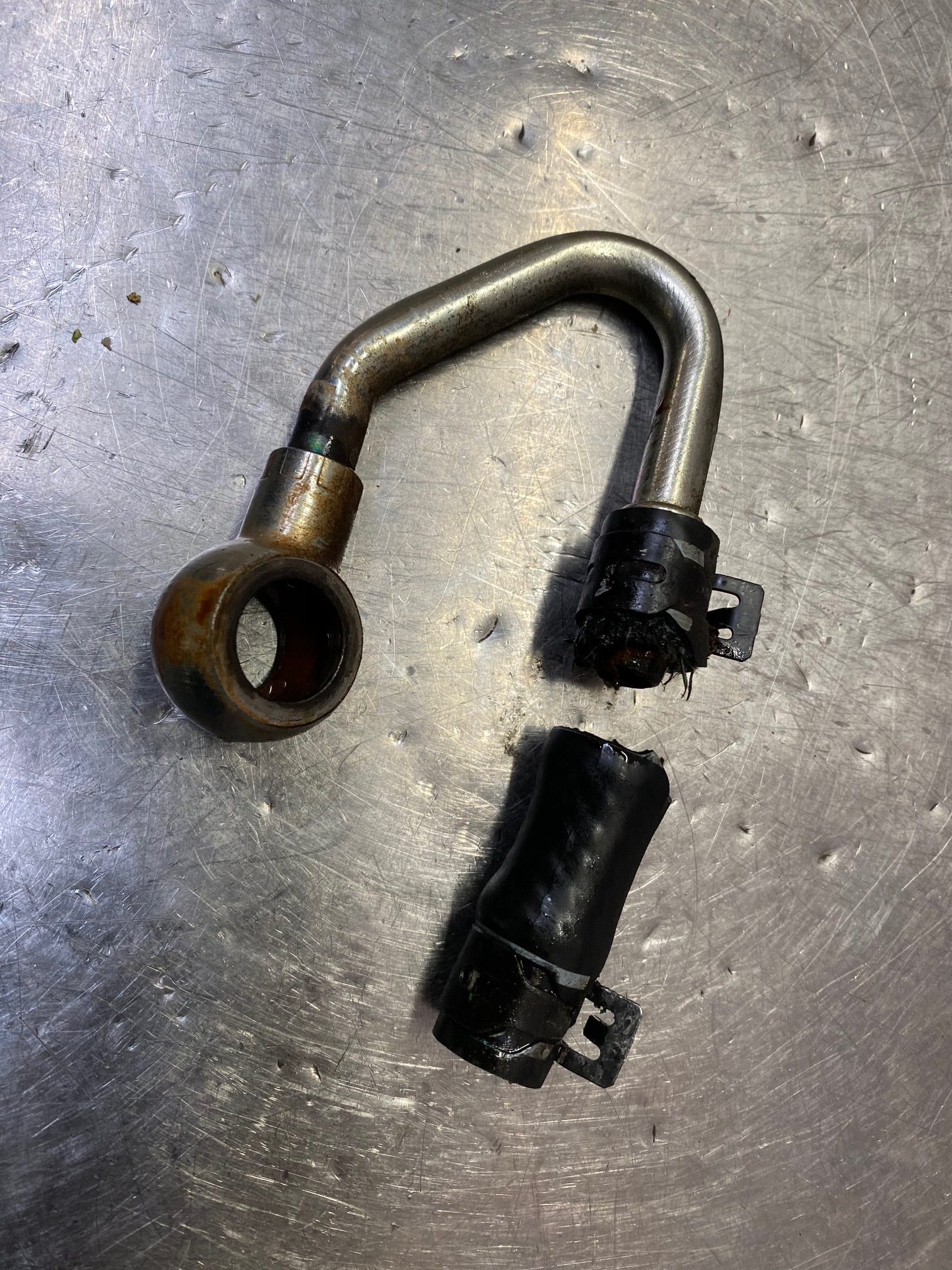
These hoses carry coolant to and from the heater core. If the hoses are loose, cracked, or disconnected, you’ll see leaks at the firewall, which is the rear of the engine bay.
3. Freeze Plugs (core Plugs)
Freeze plugs are metal disks pressed into the engine block. They prevent damage during freezing temperatures. Corrosion or poor installation can cause them to leak.
4. Head Gasket
A blown head gasket allows coolant and oil to mix, sometimes resulting in leaks at the back of the engine. This is rare but serious.
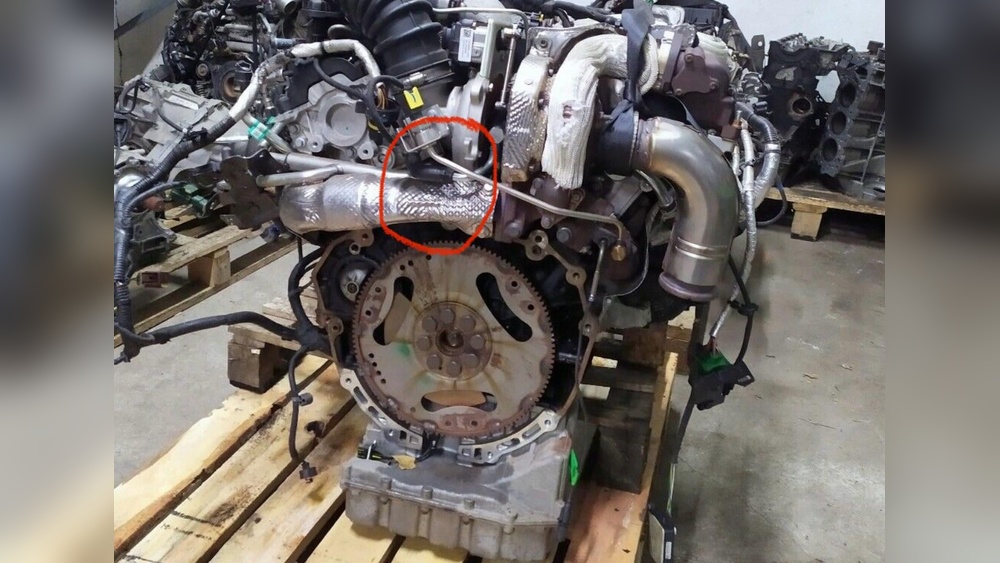
5. Rear Engine Coolant Pipe
Some Grand Cherokees use a metal or plastic pipe at the rear for coolant routing. Cracks or corrosion in this pipe can cause leaks.
Typical Leak Locations
Here’s a quick comparison of leak sources and their usual locations:
| Leak Source | Location | Difficulty |
|---|---|---|
| Intake Manifold Gasket | Back of engine | Medium |
| Heater Core Hose | Firewall area | Easy |
| Freeze Plug | Rear block | Hard |
| Head Gasket | Engine block | Very Hard |
| Coolant Pipe | Rear block | Medium |
Symptoms Of Coolant Leaks
Recognizing a coolant leak early can save you time and money. Look for these signs:
- Sweet smell inside or outside the vehicle
- Low coolant level in the reservoir
- Visible puddles under the Jeep, especially after parking
- Steam coming from the rear of the engine
- Engine overheating or warning lights
Some leaks only appear when the engine is hot or under pressure. Always check after driving, not just when cold.
How To Confirm A Leak
A common mistake is ignoring small leaks. Even tiny drips can turn into bigger problems. Use these methods to confirm:
- Inspect hoses and gaskets visually.
- Use a pressure tester to force coolant through the system and spot leaks.
- Check for dried coolant residue (white or green crust) at suspected areas.

Repair Options And Costs
Fixing a coolant leak depends on its source. Some repairs can be done at home, while others need professional help.
Diy Repairs
You can fix heater hoses or tighten clamps yourself if you’re comfortable with tools. Always let the engine cool before touching any parts. Replace hoses if they look brittle or swollen.
Professional Repairs
For intake manifold gaskets, freeze plugs, or head gaskets, it’s best to let a mechanic handle the work. These repairs require removing parts, careful reassembly, and sometimes special tools.
Here’s a rough cost comparison for common repairs:
| Repair Type | Estimated Cost | Time Required |
|---|---|---|
| Heater Hose Replacement | $100-$200 | 1-2 hours |
| Intake Manifold Gasket | $300-$600 | 3-5 hours |
| Freeze Plug Replacement | $400-$800 | 5-7 hours |
| Head Gasket Replacement | $1200-$2000 | 10-15 hours |
Non-obvious tip: Many leaks at the back of the engine are easier to spot with a small mirror or a smartphone camera. This trick helps you see hidden areas without removing parts.
Prevention And Maintenance Tips
Avoiding coolant leaks starts with regular maintenance. Follow these steps:
- Check coolant level and quality every month.
- Inspect hoses for cracks, swelling, or leaks.
- Change coolant as recommended (usually every 2-3 years).
- Avoid mixing different types of coolant. This can cause corrosion.
- Watch for temperature spikes on your dashboard.
Non-obvious insight: Many owners miss the fact that using tap water instead of proper coolant can increase corrosion risk. Always use the right coolant mix for your Jeep.
Comparison Of Coolant Types
Choosing the correct coolant matters. Here’s a quick guide:
| Coolant Type | Color | Compatibility |
|---|---|---|
| HOAT | Orange/Pink | Most Jeep Grand Cherokees |
| OAT | Purple | Newer Jeeps |
| IAT | Green | Older vehicles |
Always check your owner’s manual to confirm the best coolant for your model.
When To Seek Professional Help
If you notice coolant loss but can’t find the leak, or if your engine overheats, visit a mechanic. Ignoring leaks can lead to engine failure, warped heads, or expensive repairs. If you see coolant mixing with oil or white smoke from the exhaust, stop driving immediately.
A certified mechanic can use pressure tests, dye, and advanced tools to find hidden leaks. This is especially important for leaks at the back of the engine, where access is limited.
For more detailed information on coolant systems, visit Wikipedia.
Frequently Asked Questions
What Is The Most Common Cause Of Coolant Leaks In Jeep Grand Cherokee?
The heater core hoses and intake manifold gasket are frequent sources. Age, heat, and vibration cause these parts to fail.
Is It Safe To Drive With A Coolant Leak?
No. Driving with a leak can cause engine overheating, leading to severe damage. Always fix leaks before driving long distances.
How Can I Tell If My Head Gasket Is Blown?
Common signs are white smoke from the exhaust, coolant in the oil, and rapid coolant loss. Head gasket leaks are serious and need immediate attention.
Can I Use Stop-leak Products For A Coolant Leak?
Stop-leak products are temporary fixes. They may help small leaks but often clog the cooling system, causing more problems. Professional repairs are safer.
How Often Should I Check My Coolant?
Check your coolant at least once a month. Look for correct level, color, and signs of leaks. Regular checks help prevent major problems.
A coolant leak at the back of your Jeep Grand Cherokee’s engine should never be ignored. Quick action, proper maintenance, and understanding the signs can help you avoid expensive repairs and keep your Jeep running smoothly.