A failing throttle position sensor (TPS) can cause big problems for Jeep Cherokee owners. This small part tells your vehicle’s computer how far you press the gas pedal. When it stops working right, you’ll notice strange engine behavior, poor fuel economy, and even safety concerns. If you drive a Cherokee from the late 1980s up to recent models, knowing the symptoms of a bad TPS can save you money, time, and frustration.
What Does The Throttle Position Sensor Do?
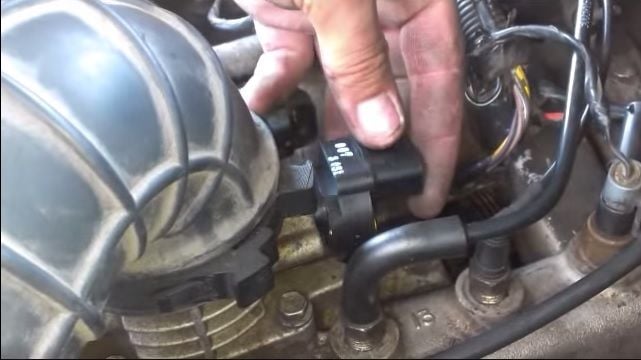
The TPS sits on the throttle body and measures the angle of the throttle plate. It sends this information to your Jeep’s engine control module (ECM). The ECM then adjusts fuel injection, ignition timing, and other settings. If the TPS data is wrong, your engine may not run as it should.
Many Cherokees use a variable resistor-style TPS. Over time, the contacts inside wear out, giving inaccurate readings. This is especially true for older models like the XJ, but it can happen to newer vehicles as well.
Main Symptoms Of A Bad Throttle Position Sensor
A faulty TPS does not always trigger a check engine light at first. You might notice subtle changes before the problem gets serious. Here are the most common signs:
1. Erratic Or High Idle
If your Jeep’s engine idles higher or lower than normal, or the RPMs jump up and down, the TPS may be sending the wrong signal. Sometimes, the idle speed changes suddenly, especially after you press or release the accelerator.
2. Poor Acceleration Or Hesitation
A classic symptom is hesitation when accelerating. You step on the gas, but the engine doesn’t respond right away, or there’s a delay before it revs up. Sometimes, you might feel a sudden surge of power.
3. Engine Stalling
Random engine stalls are a strong sign of TPS trouble. This can happen while idling, coasting, or even during turns. Stalling is not only annoying but also dangerous in traffic.
4. Surging Or Jerking
If your Jeep surges forward or jerks without warning, the TPS may be sending mixed signals. You might notice this during steady cruising or while climbing hills.
5. Bad Fuel Economy
A failing TPS can confuse the engine computer, causing it to use too much or too little fuel. If you notice you’re filling up more often, but your driving habits haven’t changed, the TPS could be to blame.
6. Check Engine Light
A bad TPS often triggers the check engine light. However, the light might come on and off, or only appear after the problem has gotten worse. Codes such as P0120, P0121, or P0122 may be stored in the computer.
7. Transmission Shifting Problems
For automatic Cherokees, the TPS helps control shift points. If it fails, you may notice hard or delayed shifts, or the transmission may get stuck in a single gear.

How Tps Symptoms Differ From Other Problems
Some symptoms of a bad TPS can look like other issues, such as a dirty idle air control valve or a failing fuel pump. Here’s a quick comparison:
| Symptom | Possible Cause |
|---|---|
| Erratic Idle | TPS, Idle Air Control Valve, Vacuum Leak |
| Stalling | TPS, Fuel Pump, Crank Sensor |
| Poor Acceleration | TPS, Fuel Filter, Spark Plugs |
If you see several symptoms together—especially idle issues, hesitation, and shifting problems—the TPS is a likely suspect.
How To Confirm A Bad Throttle Position Sensor
You don’t always need expensive tools to suspect a bad TPS, but testing can confirm the problem. Here are some simple ways:
- Scan for Codes: Use a code reader to check for TPS-related codes.
- Visual Inspection: Look for broken wires or connectors at the throttle body.
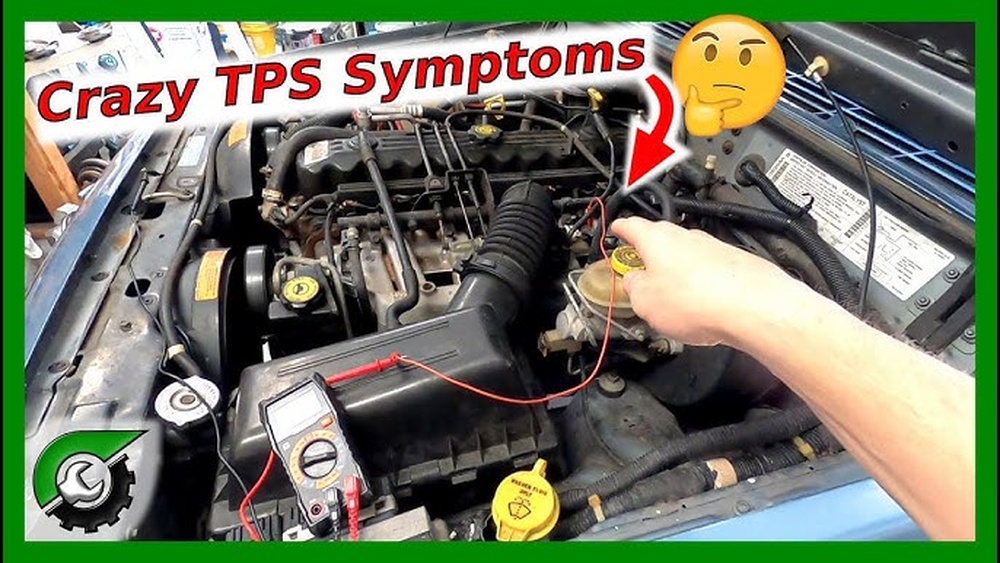
- Test the Sensor: Use a multimeter to check the voltage as you move the throttle. The reading should increase smoothly.
Here’s a quick overview of expected TPS voltage readings for many Jeep Cherokees:
| Throttle Position | Expected Voltage |
|---|---|
| Closed (Idle) | ~0.5 volts |
| Fully Open | ~4.5 volts |
If the voltage jumps around or doesn’t change smoothly, the TPS is likely bad.
Why A Bad Tps Shouldn’t Be Ignored
Driving with a faulty TPS can cause more than just poor performance. It can make your Cherokee unsafe by causing stalls or unpredictable acceleration. Long-term, it can also damage the catalytic converter by running the engine too rich or lean.
Replacing the TPS is usually affordable and straightforward. Most Jeep Cherokee owners can do it with basic hand tools in under an hour. If you’re not comfortable, a mechanic can finish the job quickly.
Non-obvious Insights For Jeep Cherokee Owners
- Heat and moisture are common causes of TPS failure, especially if you drive off-road or in wet conditions. Keeping the throttle body area clean can help extend sensor life.
- A weak battery or poor ground connections can make TPS problems appear worse. Always check your battery terminals and wiring before replacing the sensor.
When To Replace The Tps
If you notice two or more of the symptoms listed earlier, it’s wise to replace the sensor. Even if the check engine light isn’t on, continued driving can lead to bigger repairs. After replacement, always clear any stored codes and test drive to confirm the fix.
If you want to learn more about how throttle position sensors work, check out this detailed Wikipedia article.
Frequently Asked Questions
What Does A Throttle Position Sensor Do In A Jeep Cherokee?
The TPS tells the engine computer how much you are pressing the gas pedal. It helps the engine adjust fuel and timing for smooth driving.
Can A Bad Tps Cause A Jeep Cherokee Not To Start?
Usually, a bad TPS will not prevent the engine from starting. However, it can cause stalling right after starting or make the engine hard to keep running.
How Much Does It Cost To Replace A Tps On A Jeep Cherokee?
The part itself usually costs $30 to $70. If you pay a mechanic, labor adds $50 to $100. Most people spend under $150 total.
Is It Safe To Drive With A Bad Throttle Position Sensor?
It is not safe. The Jeep may stall or have sudden power changes, which can be dangerous in traffic or on the highway.
How Long Does A Throttle Position Sensor Last?
A TPS can last 100,000 miles or more, but heat, vibration, and moisture can shorten its life. Regular inspection helps catch problems early.
Spotting the symptoms of a bad throttle position sensor early can prevent major headaches. If you notice your Jeep Cherokee acting up—especially with idle, acceleration, or shifting—don’t ignore the signs. Replacing a faulty TPS is one of the easier repairs and can restore your vehicle’s smooth, safe performance.