If you drive a Jeep, you may have heard stories about death wobble. It’s a scary problem that can suddenly shake your steering wheel and make your vehicle feel out of control. Many owners worry about it, but few know what actually causes it. Let’s break down why death wobble happens in Jeeps, how you can spot the signs, and what you can do to prevent it.
What Is Death Wobble?
Death wobble is a violent shaking of the front wheels that usually happens at higher speeds. When it starts, your steering wheel shakes left and right, making it hard to control your Jeep. It often happens after hitting a bump or pothole. Many Jeep models, especially those with solid front axles like the Jeep Wrangler, are prone to this problem.
Main Causes Of Death Wobble In Jeeps
Several issues can lead to death wobble. Usually, it’s not just one part but a mix of worn and loose parts in the front suspension and steering. Here’s what you need to watch for:
1. Worn Track Bar Bushings
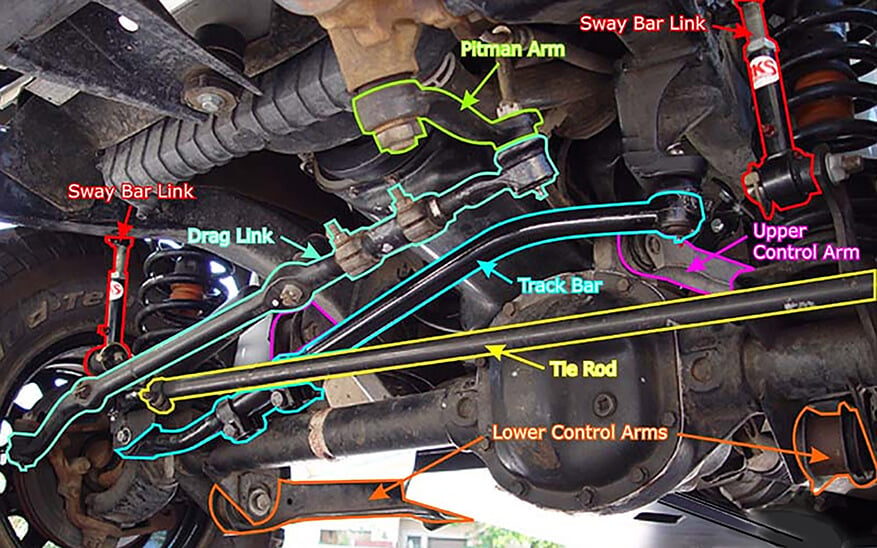
The track bar keeps the front axle in place. If its bushings are worn or loose, the axle can shift side to side, causing wobble.
2. Loose Or Damaged Ball Joints
Ball joints connect the steering knuckle to the axle. If they have play or are worn, the wheels may shake and lose alignment.
3. Bad Tie Rod Ends
Tie rods link the steering to the wheels. If the ends are worn, the steering becomes sloppy, increasing wobble risk.
4. Steering Stabilizer Issues
The steering stabilizer is like a shock absorber for your steering. A weak or leaking stabilizer can’t absorb vibrations, making death wobble worse.
5. Improper Wheel Alignment
If your wheels aren’t aligned, even small bumps can set off wobble. Jeeps with lifted suspensions often have alignment issues.
6. Worn Wheel Bearings
Wheel bearings let your wheels spin smoothly. If they wear out, the wheels can shift and start shaking.
7. Out-of-balance Tires
Unbalanced tires or bent wheels can cause vibrations that trigger death wobble.
8. Loose Suspension Bolts
If bolts holding the suspension are loose, the axle and steering can move, setting off wobble.
9. Lift Kits And Aftermarket Mods
Installing lift kits or bigger tires without proper adjustments can change suspension angles, making wobble more likely.
How Death Wobble Starts
Death wobble usually starts after hitting a bump or pothole. If your Jeep has worn parts, the bump sends vibrations through the steering. These vibrations quickly get worse, making the steering wheel shake violently. Drivers often panic and slow down, which sometimes stops the wobble.
But the problem doesn’t go away until the cause is fixed.
Here’s a quick comparison of common causes:
| Cause | Symptoms | Common Jeep Models |
|---|---|---|
| Worn Track Bar | Steering feels loose | Wrangler, Cherokee |
| Bad Ball Joints | Wheel alignment issues | Wrangler, Grand Cherokee |
| Steering Stabilizer | Vibrations after bumps | Wrangler |
Signs Your Jeep Is At Risk
Not all Jeeps will experience death wobble, but certain warning signs mean you need to check your vehicle:
- Steering feels loose or wobbly
- The Jeep pulls to one side
- Uneven tire wear
- Vibrations at certain speeds
- Clunking sounds from the suspension
If you notice any of these, inspect the suspension and steering parts right away.
How To Fix And Prevent Death Wobble
Fixing death wobble means finding the exact cause. Mechanics often check the following parts:
- Track bar and its bushings
- Ball joints and tie rod ends
- Wheel bearings
- Steering stabilizer
- Wheel alignment
- Tire balance
If you do off-roading or have a lifted Jeep, check these parts more often. Regular maintenance is key.
Here’s a simple maintenance schedule for Jeep owners:
| Check Part | Frequency | Action |
|---|---|---|
| Track Bar | Every 6 months | Inspect for wear |
| Ball Joints | Every 12 months | Check for play |
| Tire Balance | With every tire rotation | Balance tires |
Real-world Examples
In a 2018 survey by Jeep Wrangler Forum, nearly 20% of owners reported at least one episode of death wobble. Most cases happened after installing lift kits or bigger tires. One owner described the steering wheel shaking so much he thought the axle would break. After replacing the track bar bushings, the problem disappeared.
Another example comes from a Jeep Cherokee. The owner noticed vibrations at 55 mph. The mechanic found loose tie rod ends. After tightening and replacing them, the wobble stopped.

Why Jeeps Are Prone To Death Wobble
The main reason Jeeps are prone to death wobble is their solid front axle design. This setup is great for off-roading, but it means all suspension parts must be tight and in good condition. Unlike independent suspension, the solid axle transfers vibrations from one wheel to the other. If any part is loose, it can cause the whole axle to shake.
Lift kits and big tires make the problem worse. They change the angles of the suspension and steering parts. Unless you adjust other parts (like the track bar and control arms), the risk of death wobble goes up.
Practical Tips For Jeep Owners
- Inspect suspension and steering parts regularly.
- If you lift your Jeep, get a professional alignment.
- Use quality parts when replacing bushings or ball joints.
- Balance your tires every time you rotate them.
- Don’t ignore vibrations or odd noises.
Many beginners miss the fact that even small changes (like swapping tires or minor lifts) can affect suspension geometry. Also, tightening bolts after off-roading is often skipped, but it’s crucial for preventing wobble.
If you want more technical details, visit Wikipedia.
Frequently Asked Questions
What Is The Main Cause Of Death Wobble In Jeeps?
The main cause is worn or loose suspension and steering parts. Track bar bushings and ball joints are usually the first to wear out.
Can Death Wobble Happen To All Jeep Models?
Yes, but it’s most common in Wrangler and Cherokee models with solid front axles. Lifted Jeeps are at higher risk.
Is Death Wobble Dangerous?
Death wobble can be very dangerous. It reduces control and can lead to accidents, especially at high speeds.
How Much Does It Cost To Fix Death Wobble?
Costs vary. Replacing a track bar or ball joints may cost $200–$800 depending on parts and labor. More extensive repairs can be higher.
Will A Steering Stabilizer Fix Death Wobble?
A steering stabilizer may help, but it’s not a cure. It masks symptoms. You must fix the root cause—worn or loose parts—for a permanent solution.
If you take good care of your Jeep, check parts regularly, and fix problems early, you can avoid death wobble. It’s a scary experience, but with the right knowledge, you can keep your Jeep safe and fun to drive.