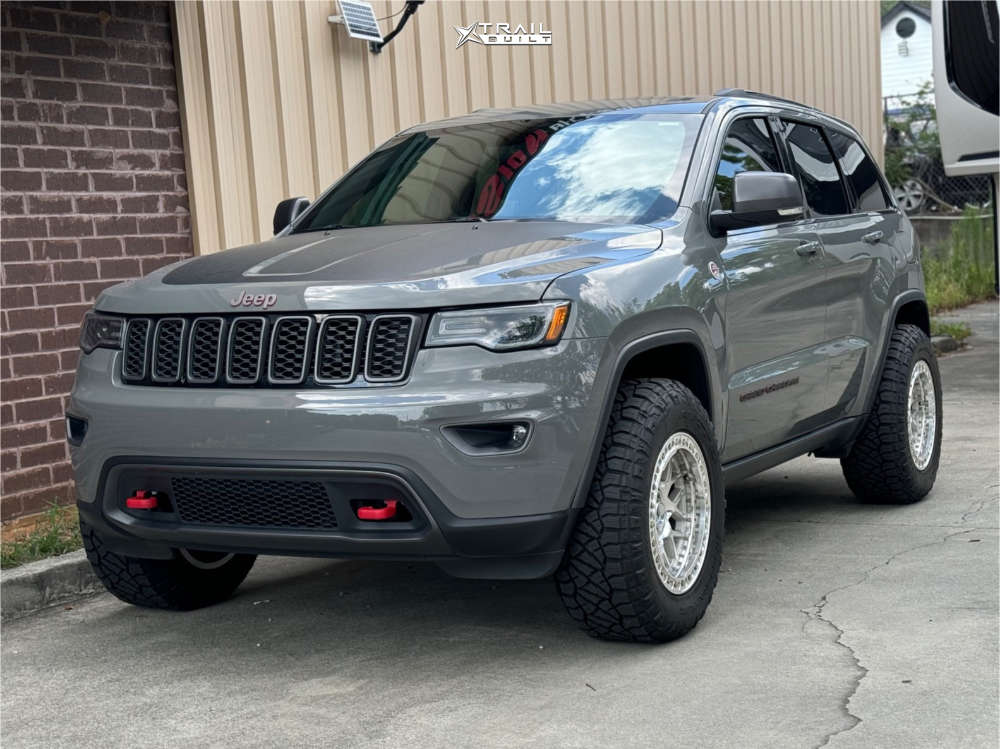
Is it possible to put bigger tires on a Jeep Grand Cherokee without installing a lift kit? This question comes up often among Jeep owners who want a tougher look or improved performance but don’t want the extra cost or complexity of a suspension lift. The answer depends on several factors, including tire size, wheel offset, year and model of your Grand Cherokee, and the risks involved. If you plan carefully, you can gain some size without major modifications, but there are limits. Let’s break down what you need to know to make a smart choice.
How Tire Size Impacts The Jeep Grand Cherokee
Changing tire size affects not just appearance but also handling, fuel economy, and the overall driving experience. The Grand Cherokee is designed with a specific tire size in mind, which balances performance and safety.
Most stock Grand Cherokees come with tires ranging from 245/65R17 to 265/60R18, depending on the trim. The wheel wells and suspension are built for these sizes, so increasing diameter or width can cause rubbing or other issues.
Tire Size Comparison
Here’s a look at how common tire upgrades compare to stock sizes:
| Tire Size | Diameter (inches) | Width (inches) | Stock? |
|---|---|---|---|
| 245/65R17 | 29.5 | 9.6 | Yes |
| 265/70R17 | 31.6 | 10.4 | No |
| 275/65R18 | 32.1 | 10.8 | No |
If you go above 31 inches in diameter, you’re likely to run into clearance issues without a lift.
What Size Tires Can Fit Without A Lift?
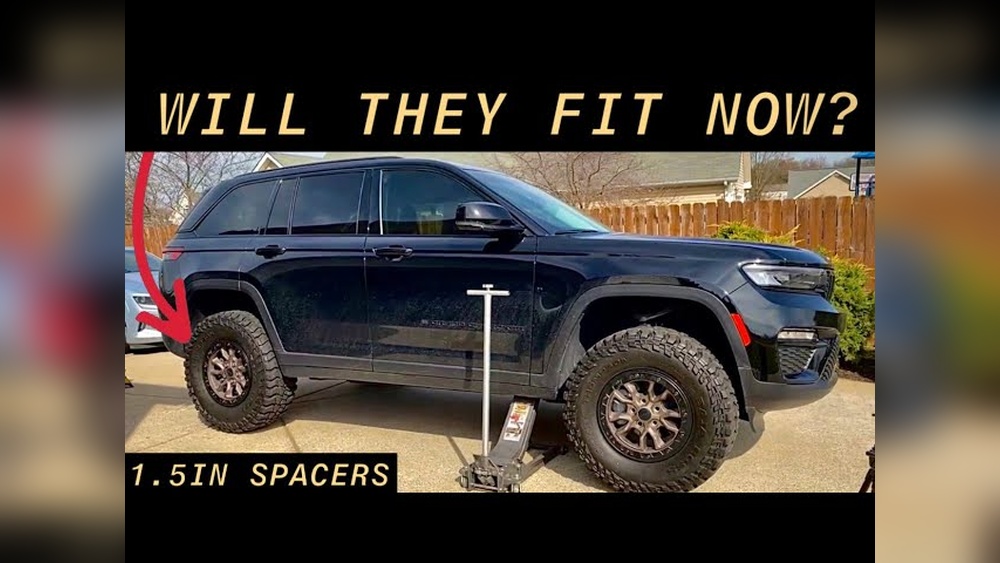
Most Jeep Grand Cherokee owners can safely upgrade to up to 30 inches diameter tires without a lift, especially for 2011–2021 WK2 models. Some older models (like WJ and ZJ) may handle slightly larger tires, but it’s always tight.
Real-world Examples
- 265/65R17 (30.6″ diameter): Fits most WK2 models, but may rub at full steering lock.
- 255/70R17 (30.1″ diameter): Common for mild upgrades, rarely rubs.
- 265/70R17 (31.6″ diameter): Usually requires trimming or might rub on the front bumper, especially off-road.
Key Factors
- Wheel offset: Lower offset wheels can push tires outward, increasing rubbing risk.
- Tire width: Wider tires rub more easily, especially on suspension parts.
- Suspension flex: Off-road driving causes more movement, so tires that fit on pavement may rub when the suspension compresses.

Risks And Challenges
Upgrading to bigger tires without a lift has some drawbacks. Here’s what you need to watch out for:
- Rubbing: Tires may contact the fender or suspension, especially at full turn or over bumps.
- Reduced turning radius: Larger tires can hit the wheel well, limiting steering.
- Speedometer error: Bigger tires make your speedometer read lower than actual speed.
- Fuel economy: Heavier tires reduce gas mileage.
- Warranty concerns: Some dealers may question warranty claims after tire upgrades.
Common Mistakes
- Ignoring tire width: Even if diameter fits, extra width can cause rubbing.
- Overlooking wheel offset: Wrong offset can push tires too far out.
- Not checking clearance at full suspension flex: What fits parked may rub during off-road driving.
How To Prevent Tire Rubbing
If you want to avoid problems, here are some practical tips:
- Stick to 30-inch tires or smaller.
- Choose tires with narrower tread width.
- Avoid aggressive tread patterns, which are wider and taller.
- Test fit one tire before mounting all four.
- Consider minor fender trimming if rubbing is minimal.
Tire And Clearance Table
Below is a guide for fitting tires without a lift on a WK2 Grand Cherokee:
| Tire Size | Fits Without Lift? | Rubbing Risk | Notes |
|---|---|---|---|
| 255/70R17 | Yes | Low | May rub at full lock |
| 265/65R17 | Yes | Medium | Possible minor trimming needed |
| 265/70R17 | No | High | Likely to rub unless trimmed |

Should You Upgrade Without A Lift?
If your main goal is looks or slightly better off-road performance, going up one size is possible. However, for serious off-roading or much larger tires, a lift kit is the safer option. The difference in tire size may not be enough to justify the risks if you need more ground clearance.
A non-obvious insight: Many beginners forget that tire size affects brake performance. Heavier, larger tires make braking less effective, especially in emergency situations. Also, changing tire size can impact your ABS and traction control systems.
Cost Comparison: Tire Upgrade Vs. Lift Kit
Here’s a quick comparison for WK2 models:
| Upgrade | Estimated Cost | Labor Required | Impact |
|---|---|---|---|
| Bigger tires only | $600–$1,200 | Low | Minor performance change |
| Lift kit + tires | $1,500–$3,000 | Medium–High | Major off-road improvement |
If you only want a slight change, bigger tires without a lift are budget-friendly. For full off-road capability, the extra cost of a lift is worth it.
Frequently Asked Questions
Can I Fit 31-inch Tires On My Grand Cherokee Without A Lift?
It’s possible but risky. 31-inch tires may rub on the front bumper or suspension, especially during off-road driving or at full steering lock. Minor trimming may help, but for most owners, 30-inch tires are safer.
Will Bigger Tires Hurt My Gas Mileage?
Yes, larger and heavier tires can drop your fuel economy by 1–3 MPG. The engine works harder to move them, especially if you drive in hilly areas.
Do I Need To Reprogram My Speedometer After Changing Tires?
If you upgrade to a significantly bigger size, your speedometer will read lower than your actual speed. Some shops can recalibrate it, but many owners simply adjust mentally. For large changes, recalibration is recommended.
Will Wider Tires Rub More Than Taller Tires?
Definitely. Wider tires can contact suspension parts and fenders, even if the diameter fits. Always check both width and diameter before buying.
Where Can I Find More Technical Specs For Jeep Grand Cherokee Tires?
The official Jeep website provides detailed tire information for each model. For deeper specs, visit Jeep Official Site.
Upgrading to bigger tires on your Jeep Grand Cherokee without a lift can be done within limits. Consider the risks, test fit before buying, and always prioritize safety. With careful planning, you can enjoy a new look and a bit more capability without breaking the bank or making permanent changes.