If you’ve seen the DTC P0430 code pop up on your Jeep’s dashboard, you’re probably wondering what it means and how it affects your ride. This code points to an issue with your catalytic converter’s efficiency, which can impact your Jeep’s performance and emissions.
But don’t worry you’re not alone, and fixing it might be simpler than you think. You’ll discover what causes the P0430 code, how to diagnose the problem, and practical steps you can take to get your Jeep back on the road smoothly.
Keep reading to protect your engine, save money, and avoid bigger repairs down the line.
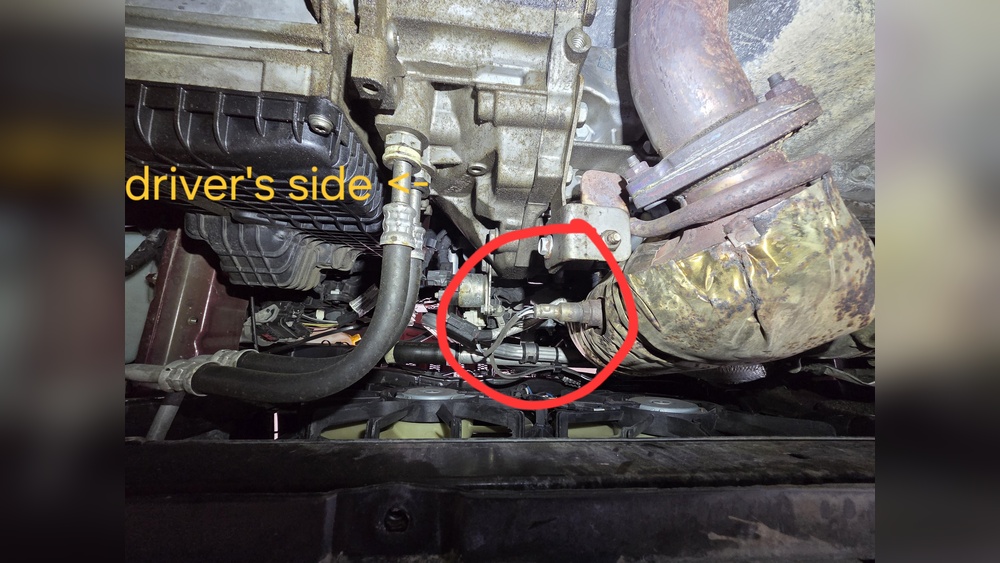

Causes Of P0430 Code
The P0430 code in a Jeep signals a problem with the catalytic converter’s efficiency. This code appears when the vehicle’s computer detects that the converter is not working properly.
Several causes can trigger this issue, leading to reduced performance and increased emissions. Understanding these causes helps in addressing the problem quickly and correctly.
Failing Catalytic Converter
The most common cause of the P0430 code is a failing catalytic converter. Over time, the internal materials inside the converter break down.
This degradation reduces its ability to clean exhaust gases. Heat damage, contamination, or physical damage can cause the converter to fail.
A damaged converter will not reduce emissions effectively, triggering the code.
Exhaust Leaks
Exhaust leaks can also cause the P0430 code. Cracks or loose bolts in the exhaust manifold allow air to enter the system.
This extra air confuses the oxygen sensors, causing false readings. The sensors may think the converter is not working properly.
Even small leaks can affect sensor data and trigger the code.
Engine Performance Issues
Problems with engine performance can harm the catalytic converter. Rich fuel mixtures, where too much fuel burns, can clog the converter.
Engine misfires send unburned fuel into the exhaust, damaging the converter. Excessive oil consumption can coat the converter with deposits, reducing efficiency.
These issues increase emissions and cause the P0430 code.
Symptoms Of P0430 Code
The P0430 code on a Jeep signals a problem with the catalytic converter’s efficiency. Recognizing the symptoms early can prevent further damage and costly repairs.
This code usually means the converter is not cleaning the exhaust gases well enough.
Knowing the symptoms helps you understand the issue better. It also guides you to take the right action for your Jeep’s health.
Check Engine Light Behavior
The check engine light often turns on with the P0430 code. It may blink or stay steady.
A steady light means the system detected a problem but the engine runs normally. A blinking light means a serious issue that needs immediate attention.
Reduced Engine Power
Your Jeep may lose power when the P0430 code appears. The engine might feel weak or slow to respond.
This happens because the catalytic converter is clogged or damaged. The engine struggles to push exhaust gases out, reducing performance.
Increased Emissions
When the catalytic converter fails, the Jeep emits more harmful gases. This leads to failed emissions tests and pollution.
You may also notice a strong smell from the exhaust. This is a sign the converter is not cleaning the gases properly.

Frequently Asked Questions
How Do I Fix Error Code P0430?
Fix error code P0430 by inspecting and replacing a faulty catalytic converter. Check for exhaust leaks and faulty oxygen sensors.
Use fuel additives to clean minor carbon buildup. Ensure engine runs efficiently to prevent damage. Consult a mechanic if the problem persists.
Is P0430 Bank 1 Or Bank 2?
The P0430 code refers to Bank 2 of the catalytic converter system, not Bank 1.
What Is The Most Common Cause For A P0430 Code?
The most common cause of a P0430 code is a failing or clogged catalytic converter. Exhaust leaks and engine performance issues can also trigger it.
Which O2 Sensor Throws A P0430 Code?
The P0430 code is triggered by the downstream O2 sensor, located after the catalytic converter. It monitors the converter’s efficiency.
Conclusion
The DTC P0430 code signals trouble with your Jeep’s catalytic converter. Fixing it soon prevents engine damage and saves money.
Start by checking for exhaust leaks or faulty sensors. Cleaning additives might help if the converter is only slightly clogged.
Replacing the converter may become necessary if problems persist. Regular maintenance keeps your Jeep running smoothly and avoids this code.
Stay alert to engine performance changes and address issues quickly. Your Jeep deserves proper care for better efficiency and lower emissions.