The Jeep Grand Cherokee is known for its strong performance and off-road abilities. But owners sometimes face issues with the transfer case—the part that sends power to the wheels and manages four-wheel drive. When the transfer case has problems, it can affect how the SUV drives, its safety, and the cost of repairs. Many drivers worry about these issues, especially if they plan to use their Jeep for tough terrain or heavy loads. Understanding the main transfer case problems, signs, and fixes can help you keep your Grand Cherokee running smoothly and avoid expensive repairs.
What Is A Transfer Case?
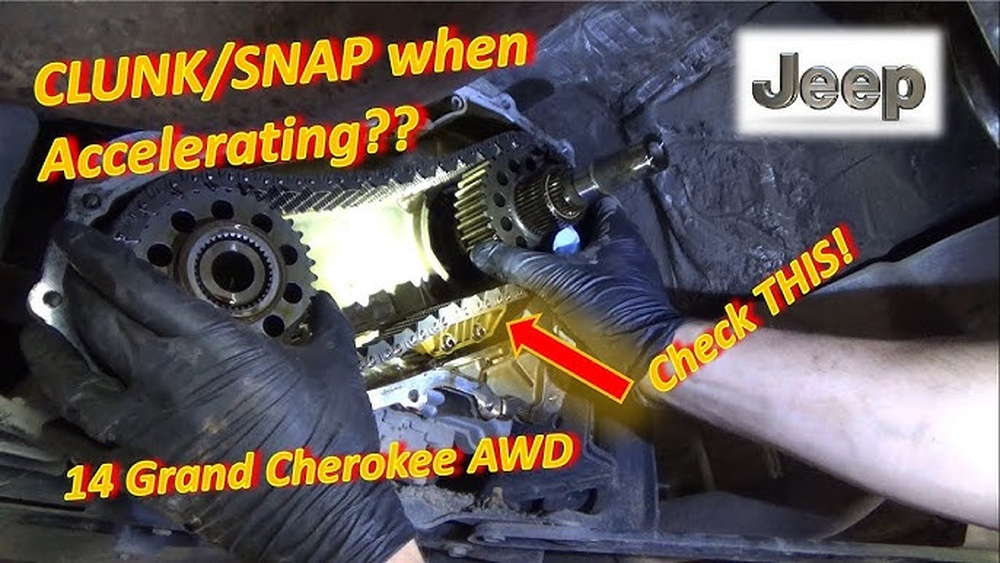
The transfer case is a key part in four-wheel and all-wheel drive vehicles. It splits power from the transmission to the front and rear axles. In the Jeep Grand Cherokee, there are different types of transfer cases, such as Quadra-Trac I, Quadra-Trac II, and Quadra-Drive II. Each has its own features, but all help with traction and control.
Without a working transfer case, you lose four-wheel drive and risk drivetrain damage. This part is especially important for off-roading, towing, and driving in tough weather.
Common Jeep Grand Cherokee Transfer Case Problems
Most issues with the transfer case show up as noises, trouble shifting, or warning lights. These problems can start small and get worse if ignored. Here are the most frequent issues:
1. Grinding Or Whining Noise
Many owners report grinding or whining sounds when driving, especially when switching between drive modes. This often means the gears or bearings inside the transfer case are worn out.
2. Difficulty Shifting Between Modes
If you struggle to shift from 2WD to 4WD or vice versa, it could be a damaged shift motor or electrical problem. Sometimes, the mode selector doesn’t respond at all.
3. Fluid Leaks
Transfer cases need special fluid to operate. Leaks are a common issue, usually caused by worn seals or a cracked case. Low fluid can lead to overheating and more damage.
4. Warning Lights
The dashboard may show a 4WD warning light if the transfer case isn’t working right. This light often comes with trouble codes you can read with a scan tool.
5. Jerking Or Vibration
If your Jeep jerks or vibrates when accelerating, the transfer case might be failing. This can also be caused by bad universal joints or driveshafts, but often points to internal transfer case issues.
6. Complete Failure
In rare cases, the transfer case breaks down completely. The vehicle may lose four-wheel drive or even become undrivable.
Data: Reported Problems By Model Year
Below is a summary of transfer case-related complaints for different Jeep Grand Cherokee model years:
| Model Year | Number of Complaints | Common Issue |
|---|---|---|
| 2011 | 38 | Fluid leaks |
| 2014 | 52 | Noise, shifting trouble |
| 2017 | 27 | Warning lights |
| 2020 | 13 | Complete failure |

Signs Of Transfer Case Trouble
Knowing the signs can help you catch problems early. Look for these symptoms:
- Strange noises from underneath the vehicle
- Trouble switching between drive modes
- Fluid spots under your Jeep
- Dashboard 4WD warning lights
- Vehicle shakes or jerks when driving
If you notice these signs, it’s best to have a mechanic check your transfer case.
Causes Of Transfer Case Problems
Several things can cause transfer case issues in Jeep Grand Cherokee models:
- Lack of maintenance: Not changing the transfer case fluid on schedule leads to wear.
- Heavy use: Off-roading, towing, or driving in deep snow puts extra strain.
- Faulty parts: Bad shift motors, solenoids, or sensors can stop the transfer case from working.
- Poor seals: Worn or cracked seals allow fluid leaks.
Comparison: Transfer Case Types And Failure Rate
Some types of transfer cases are more likely to have problems. Here’s a look at failure rates by system:
| Transfer Case Type | Failure Rate (%) | Typical Issue |
|---|---|---|
| Quadra-Trac I | 10 | Fluid leaks |
| Quadra-Trac II | 17 | Shifting trouble |
| Quadra-Drive II | 21 | Warning lights, gear wear |

How To Fix Transfer Case Problems
Fixing transfer case problems can be simple or complex, depending on the issue. Here are the main steps:
1. Check Fluid Level
Make sure the fluid is at the correct level and replace it if dirty or old.
2. Inspect For Leaks
Look for leaks around the transfer case. Replace seals or gaskets if needed.
3. Read Trouble Codes
Use a scan tool to read codes from the vehicle’s computer. This helps find electrical or sensor issues.
4. Replace Faulty Parts
If the shift motor or sensors are bad, replace them. Many parts can be changed without removing the whole case.
5. Rebuild Or Replace Transfer Case
If internal gears or bearings are damaged, you might need a full rebuild or a new transfer case. This is expensive—expect costs from $1,500 to $3,000.
Data: Repair Cost Comparison
Here’s a breakdown of typical repair costs:
| Repair Type | Average Cost (USD) | Time Required |
|---|---|---|
| Fluid Change | 120 | 30 min |
| Seal Replacement | 300 | 2 hours |
| Shift Motor Replacement | 420 | 2 hours |
| Full Rebuild | 2,400 | 7 hours |
Preventing Transfer Case Problems
Regular maintenance is key. Here are some tips:
- Change transfer case fluid every 30,000 miles or as recommended.
- Inspect for leaks after off-roading or towing.
- Avoid harsh driving that puts extra strain on the drivetrain.
- Listen for unusual noises and check them early.
One insight many miss: using the correct type of transfer case fluid is critical. Using the wrong fluid can cause damage and void your warranty. Also, some Grand Cherokee models need specific procedures to shift between modes—following the manual avoids damage.

Frequently Asked Questions
What Does The Transfer Case Do In A Jeep Grand Cherokee?
The transfer case splits power from the transmission to the front and rear wheels. It lets you switch between two-wheel and four-wheel drive, improving traction.
How Can I Tell If My Transfer Case Is Failing?
Common signs include noise, fluid leaks, warning lights, and trouble changing drive modes. If you notice these, have your Jeep checked soon.
Is It Safe To Drive With A Bad Transfer Case?
Driving with a bad transfer case is risky. It can lead to drivetrain damage and loss of control, especially in slippery conditions.
How Much Does It Cost To Fix A Transfer Case?
Costs range from $120 for a fluid change to over $2,400 for a rebuild. The price depends on the damage and parts needed.
Where Can I Learn More About Transfer Case Problems?
You can find detailed information at Wikipedia, which explains how transfer cases work and common issues.
Jeep Grand Cherokee transfer case problems can be frustrating, but knowing the signs and solutions will help you stay ahead. Regular checks and maintenance are the best way to avoid costly repairs and keep your SUV ready for any adventure.