The Jeep Grand Cherokee 3.6 engine is a popular choice for drivers who want a strong mix of power, reliability, and efficiency. This engine, known as the Pentastar 3.6L V6, has become a key part of Jeep’s lineup for over a decade. If you’re considering a Grand Cherokee or just want to know what makes this engine stand out, you’ll find everything you need here. Let’s explore 36 important facts about the Jeep Grand Cherokee 3.6 engine—each one offers insight for current owners and potential buyers alike.
1. Engine Type
The 3.6 engine is a V6, meaning it has six cylinders arranged in a “V” shape. This setup helps balance smooth driving with good power.
2. Displacement
The engine’s displacement is 3.6 liters (or 3604 cc). Displacement refers to the total volume inside all the cylinders, which affects how much air and fuel the engine can burn.
3. Horsepower
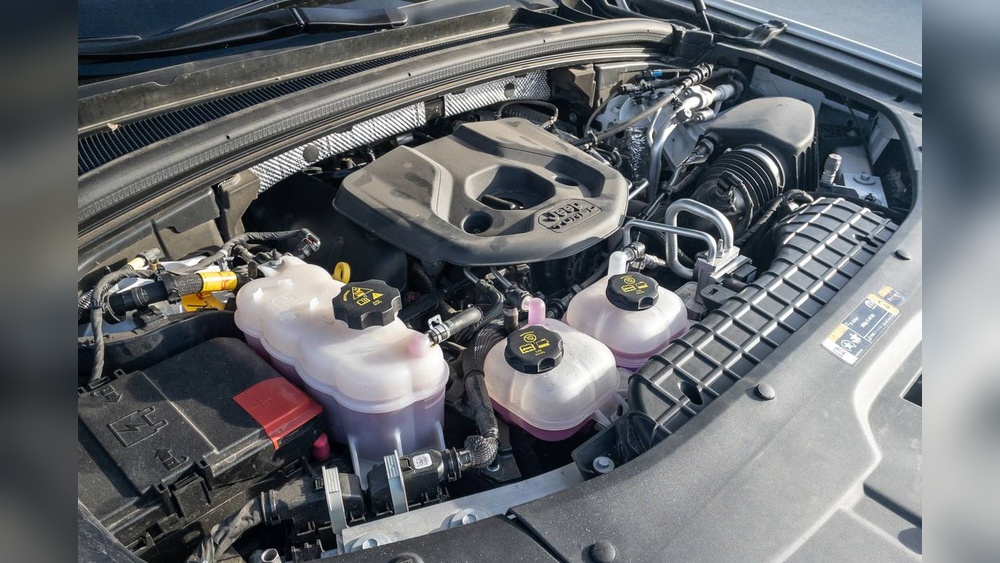
The Pentastar 3.6 engine produces around 293 horsepower in most Grand Cherokee models, giving the SUV plenty of acceleration and highway power.
4. Torque
You’ll get about 260 lb-ft of torque. Torque is important for towing, climbing hills, and quick starts.
5. Fuel Type
This engine uses regular unleaded gasoline, which keeps running costs lower compared to engines that need premium fuel.
6. Fuel Economy
Most Grand Cherokees with this engine get around 19 mpg city and 26 mpg highway. Real-world mileage can vary depending on driving style.
7. Transmission Pairing
It’s paired with an 8-speed automatic transmission, which helps with smooth shifting and better fuel efficiency.
8. Towing Capacity
With the 3.6 engine, the Grand Cherokee can tow up to 6,200 pounds—enough for small boats or trailers.
9. Block Material
The engine block is made from aluminum, keeping the engine lighter and improving fuel efficiency.
10. Cylinder Head
The cylinder heads are also aluminum, which helps with cooling and performance.
11. Valvetrain
It uses a DOHC (Dual Overhead Camshaft) setup, which allows for better airflow and higher engine speeds.
12. Variable Valve Timing
Variable valve timing adjusts how the valves open and close, improving power at high speeds and efficiency at lower speeds.
13. Cooling System
A liquid cooling system keeps the engine at the right temperature, even during heavy use or hot weather.
14. Oil Capacity
The 3.6 engine needs about 6 quarts of oil for a full change, including the filter.
15. Recommended Oil
SAE 0W-20 synthetic oil is recommended, which helps the engine run smoothly in all temperatures.
16. Timing Chain
It uses a timing chain instead of a belt, which often lasts longer and requires less maintenance.
17. Engine Longevity
With regular maintenance, this engine can often last over 200,000 miles.
18. Common Issues
Some owners have reported coolant leaks or rocker arm wear. Most problems are rare when the engine is well-maintained.
19. Maintenance Cost
Routine maintenance costs are moderate for this engine, often lower than for some larger or turbocharged engines.
20. Spark Plugs
The engine has six spark plugs, one for each cylinder, and they usually need changing every 100,000 miles.
21. Air Intake
A plastic intake manifold is used, which reduces weight and can help with air flow.
22. Exhaust System
The exhaust system is tuned for a quiet ride but still allows the engine to breathe well.
23. Engine Management
A modern engine control unit (ECU) manages fuel, timing, and emissions for maximum efficiency.
24. Emissions
The engine meets U.S. LEV II emissions standards, making it relatively clean for its size.

25. Start-stop Technology
Some newer models have start-stop technology to save fuel at stoplights.
26. Reliability Ratings
Industry ratings often give the 3.6 Pentastar above-average reliability compared to similar engines.
27. Aftermarket Support
There is strong aftermarket support, so parts and upgrades are widely available.
28. Engine Noise
The engine is generally quiet, though some owners notice a light ticking noise at idle (which is usually normal).
29. Cold Weather Performance
The 3.6 engine starts easily in cold weather, especially with the right oil.
30. Hot Weather Performance
It handles high temperatures well, thanks to its effective cooling system.
31. Engine Updates
Jeep has made small updates over the years, including improved fuel injectors and a better cooling system.
32. Compatibility
This engine is used in other vehicles, including some Dodge and Chrysler models, showing its versatility.
33. Oil Filter Location
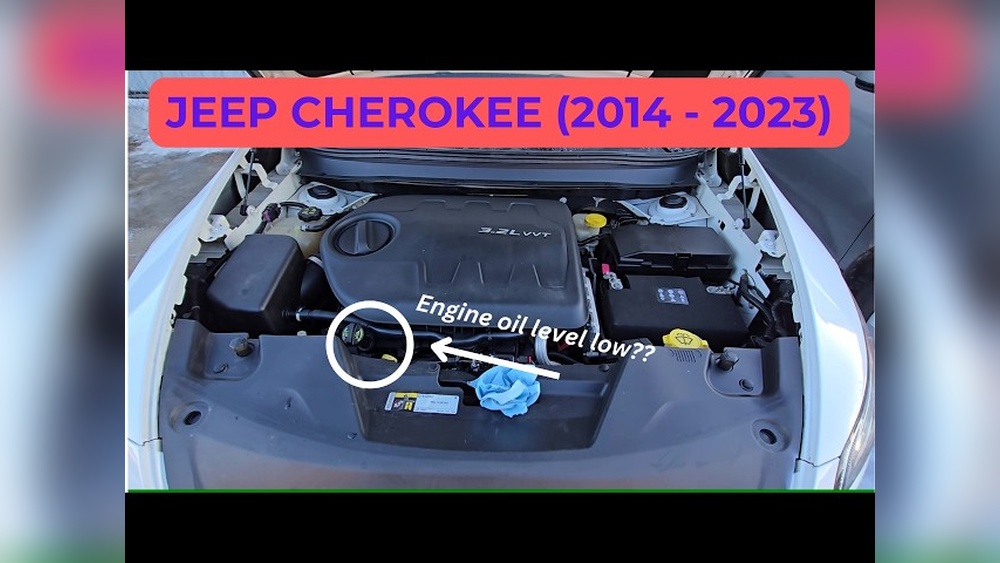
The oil filter is located on top of the engine, making changes easier for DIY owners.
34. Engine Code
The official engine code for this version is ERB.
35. Warranty
New Grand Cherokees with the 3.6 engine come with a 5-year/60,000-mile powertrain warranty.
36. Resale Value
Grand Cherokees with this engine hold their value well, partly due to the engine’s good reputation for durability.
Comparing Jeep Grand Cherokee 3.6 Vs. 5.7 V8
If you’re choosing between engines, this side-by-side look helps:
| Feature | 3.6L V6 | 5.7L V8 |
|---|---|---|
| Horsepower | 293 hp | 360 hp |
| Towing Capacity | 6,200 lbs | 7,200 lbs |
| Fuel Economy (Highway) | 26 mpg | 22 mpg |
| Maintenance Cost | Lower | Higher |
Yearly Maintenance Schedule Example
Here’s how often you should perform basic maintenance for the 3.6 engine:
| Task | Mileage Interval | Notes |
|---|---|---|
| Oil Change | Every 8,000 miles | Use synthetic oil |
| Spark Plugs | 100,000 miles | Replace all six |
| Coolant Flush | 100,000 miles | Inspect for leaks |
| Air Filter | 30,000 miles | Replace as needed |

Real-world Owner Insight
Many owners enjoy the balance of power and efficiency. Some report driving over 150,000 miles with just basic care. One thing new owners might miss is checking the coolant level often—small leaks can appear over time.
Another insight: the 3.6 engine is more sensitive to oil quality than some older engines. Using the correct synthetic oil helps prevent ticking noises and wear.
Frequently Asked Questions
How Long Does The Jeep Grand Cherokee 3.6 Engine Typically Last?
With routine maintenance, these engines often reach 200,000 miles or more.
What Oil Should I Use In The 3.6 Engine?
Use SAE 0W-20 synthetic oil for the best performance and protection.
Can The 3.6 Engine Tow A Boat Or Trailer?
Yes, it can tow up to 6,200 pounds, which covers most small boats and campers.
Are There Common Problems With The 3.6 Pentastar Engine?
Some owners have reported coolant leaks and rocker arm issues, but most are resolved with regular checks and maintenance.
Where Can I Find More Technical Details About This Engine?
For in-depth specs, visit the Wikipedia page on the Pentastar engine.
The Jeep Grand Cherokee 3. 6 engine stands out for its durability, efficient design, and strong real-world reputation. If you maintain it well and pay attention to the details above, this engine should serve you reliably for many years.