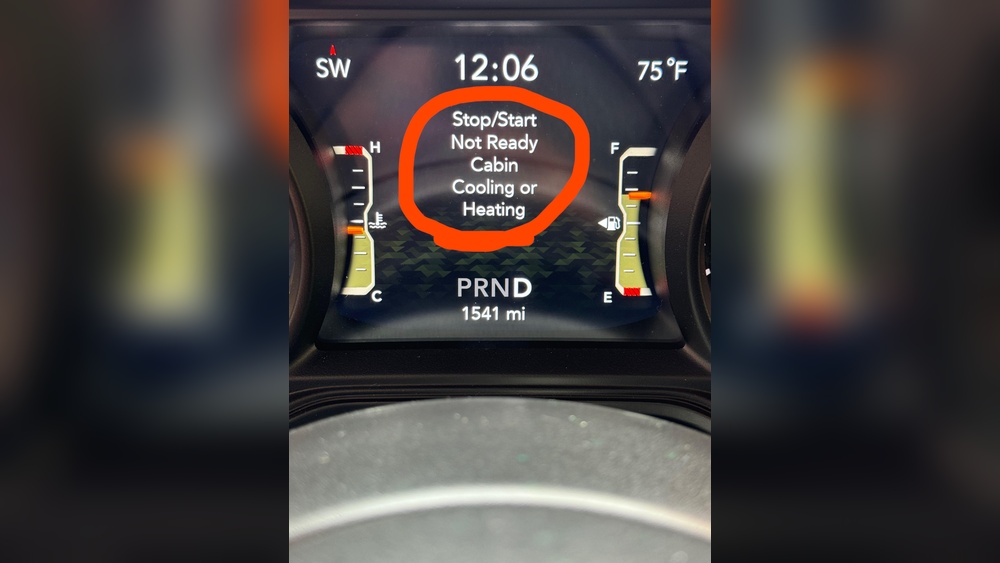
If your 2002 Jeep Grand Cherokee is running hot, leaking coolant, or showing temperature warnings, your radiator may be the cause. The radiator is a key part of your SUV’s cooling system, helping your engine stay at the right temperature. When it fails, you risk overheating, breakdowns, and expensive repairs. Replacing or upgrading the radiator is not just maintenance—it’s protection for your Jeep’s heart.
Why The Radiator Matters In A 2002 Jeep Grand Cherokee
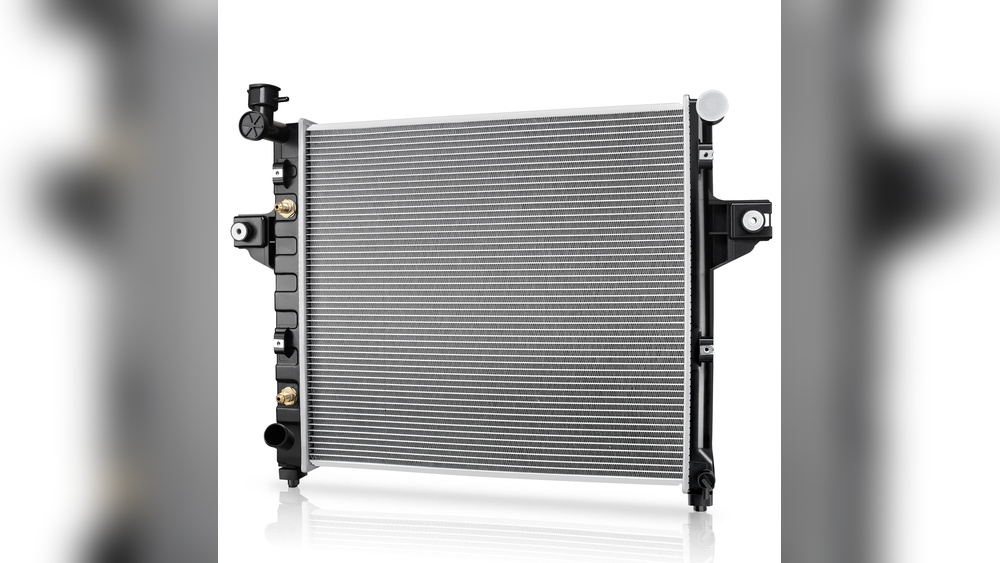
The radiator cools your engine by moving hot coolant from the engine to the radiator, where it loses heat before cycling back. In a 2002 Grand Cherokee, the 4.0L and 4.7L engines both rely heavily on this system, especially during summer, towing, or off-road driving. A weak or clogged radiator can’t keep up, causing overheating and engine damage.
Signs You Need A New Radiator
Don’t wait for a complete failure. Look out for these symptoms:
- Coolant leaks under the Jeep (often green or orange fluid)
- Engine temperature gauge rising above normal
- Frequent overheating, especially in traffic or while towing
- Rusty or oily coolant in the reservoir
- White smoke from the exhaust (in severe cases)
Ignoring these signs can lead to blown head gaskets or warped engine parts.
Choosing The Right Radiator For Your 2002 Jeep Grand Cherokee
Not every radiator fits every Grand Cherokee. Here’s what really matters:
- Engine size compatibility: The 4.0L (6-cylinder) and 4.7L (V8) have slightly different radiator designs.
- Transmission type: Models with automatic transmissions need a built-in transmission cooler.
- Material: Most original radiators use an aluminum core with plastic tanks. All-aluminum upgrades are stronger and cool better but cost more.
- Core thickness: Thicker cores (2-row or 3-row) handle heat better, ideal for towing or hot climates.
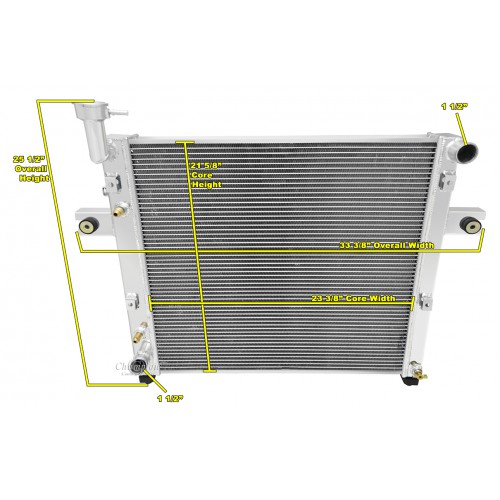
- Mounting points: Ensure the radiator’s mounting brackets match your Jeep’s frame.
Many beginners overlook the need for the correct transmission cooler or mismatched mounts, leading to poor fit or leaks.
Top Radiator Brands And Options
Several brands offer direct-fit and high-performance radiators for the 2002 Grand Cherokee:
- Spectra Premium: Good OEM replacement, affordable, reliable.
- Mishimoto: Upgraded cooling, all-aluminum construction, lifetime warranty.
- Denso: Trusted OEM supplier, consistent quality.
- CSF: Performance options, good for off-roaders or towers.
When shopping, always check your VIN or bring your old radiator to compare connections and size.
Price And Replacement Cost
A typical radiator for a 2002 Jeep Grand Cherokee costs $100–$250 for parts. Labor at a mechanic is usually $200–$350. Upgraded or performance models can be $300 or more just for the part. Doing it yourself can save you half the cost.
How To Replace The Radiator: Step-by-step
Changing the radiator is a moderate DIY task. Set aside 2–4 hours. Here’s a simplified guide:
- Cool the engine completely.
- Disconnect the negative battery cable.
- Drain the coolant from the radiator (there’s a drain plug underneath).
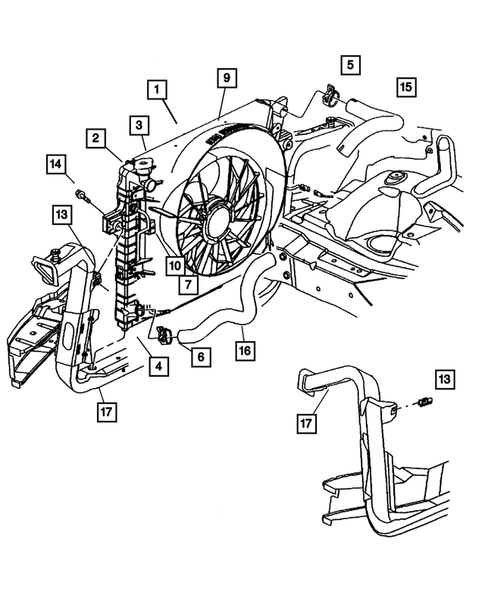
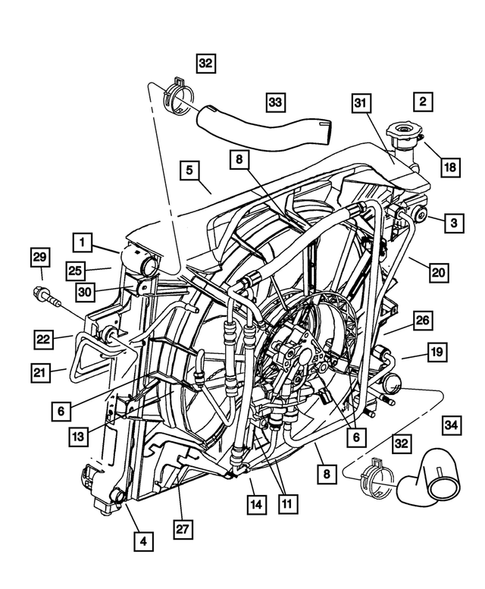
- Remove the plastic cover and cooling fan shroud.
- Disconnect the upper and lower radiator hoses. Use pliers on the hose clamps.
- Unbolt the radiator mounts at the top and sides.
- Disconnect transmission cooler lines (if you have an automatic).
- Lift out the old radiator—careful, it may still have fluid.
- Drop in the new radiator, making sure it sits in the lower mounts.
- Reconnect hoses and lines, tighten all clamps and bolts.
- Reinstall the fan shroud and top cover.
- Refill with new coolant, bleed the system for air pockets.
- Check for leaks and test drive, watching the temperature gauge.
One mistake beginners make is forgetting to bleed air from the system; trapped air can cause overheating. Another is reusing old, brittle hoses that may leak after replacement.
Comparison Of Oem Vs. Aftermarket Radiators
Here’s how factory (OEM) and aftermarket radiators stack up for the 2002 Grand Cherokee:
| Feature | OEM | Aftermarket |
|---|---|---|
| Fit/Compatibility | Excellent | Varies |
| Cooling Performance | Standard | Upgraded options available |
| Price | Higher | Lower to high |
| Warranty | 1-2 years | Up to lifetime |
Maintenance Tips For Your New Radiator
A new radiator can last over 100,000 miles if you care for it. Here’s how:
- Flush coolant every 2–3 years or 30,000 miles.
- Use the correct coolant type (usually HOAT for 2002 Jeeps).
- Check hoses and clamps at every oil change.
- Never mix different coolant colors or types.
- Watch for leaks after off-road trips or towing.
Many people miss regular coolant flushes, which can cause sludge and reduce radiator life.
Common Problems After Replacement
Sometimes, issues pop up after installing a new radiator:
- Air pockets in the system cause overheating—bleed the system properly.
- Loose clamps can lead to leaks—always double-check connections.
- Transmission cooler leaks if lines are not seated tightly.
If you see any coolant on your driveway or your temperature gauge spikes, recheck your work.
Quick Look: Radiator Features By Engine Type
If you’re unsure which radiator you need, here’s a quick reference:
| Engine | Core Rows | Transmission Cooler | Approx. Size |
|---|---|---|---|
| 4.0L I6 | 1-2 | Yes | 26″ x 18″ |
| 4.7L V8 | 2 | Yes | 27″ x 18″ |
Frequently Asked Questions
What Coolant Type Does A 2002 Jeep Grand Cherokee Radiator Use?
This model uses HOAT (Hybrid Organic Acid Technology) coolant, usually orange or yellow. Mixing with other types can cause corrosion.
How Long Should A New Radiator Last?
With proper maintenance, expect 7-10 years or 100,000 miles. Off-road use or poor coolant can shorten this.
Can I Drive With A Leaking Radiator?
It’s risky. Low coolant leads to overheating and engine damage. Top off coolant and drive only to a repair shop.
Do I Need To Replace The Thermostat With The Radiator?
Not always, but it’s wise. Thermostats are cheap and often fail at the same time, so many experts recommend replacing both.
Where Can I Find More Info About Jeep Cooling Systems?
You can learn more at the official Jeep Grand Cherokee Wikipedia page.
A reliable radiator keeps your 2002 Jeep Grand Cherokee running strong, whether you’re commuting or exploring trails. With the right part, good installation, and regular checks, you can count on your Jeep for many miles ahead.