Fleet vehicles are more than just transportation—they often serve as moving billboards for your business. A well-designed fleet wrap grabs attention and strengthens your brand everywhere your vehicles go. But to keep that bold look, regular maintenance is not optional—it’s essential. Neglect can lead to fading, peeling, and a poor impression of your company. This guide walks you through everything you need to know for long-lasting, eye-catching fleet wraps.
Why Fleet Wrap Maintenance Matters
Fleet wraps are an investment. High-quality wraps can last up to five to seven years if cared for properly, but poor maintenance can cut that lifespan in half. UV rays, road grime, and harsh cleaning methods are the biggest threats. A faded or damaged wrap not only costs money to replace but also harms your company’s image.
Protecting your wraps means:
- Saving money on premature rewraps
- Making a strong, positive impression
- Avoiding downtime for repairs
Daily And Weekly Cleaning Tips
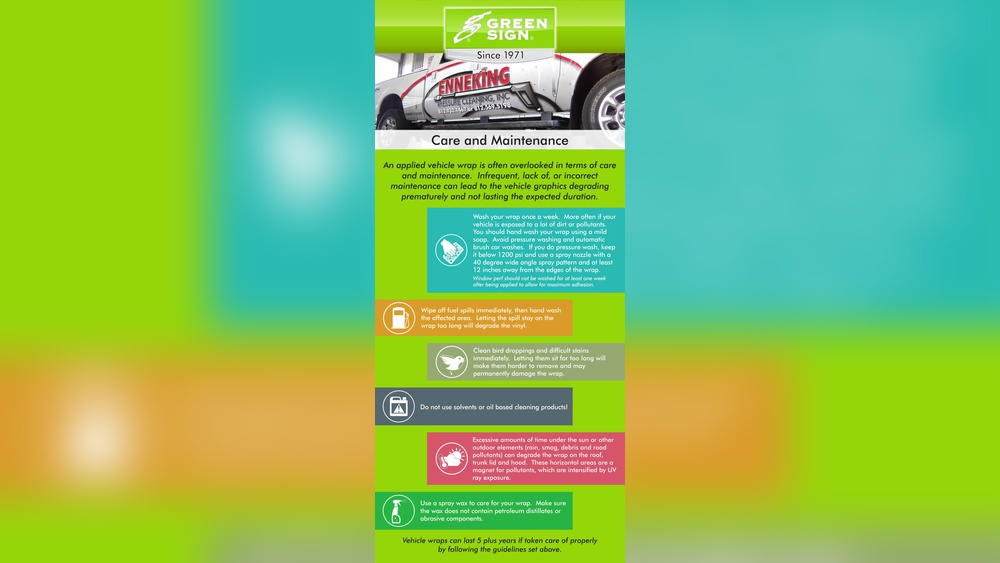
Regular cleaning is the most important part of wrap care. Dirt, salt, and pollutants can break down wrap materials over time.
- Use a gentle soap: Choose a mild, non-abrasive car wash soap. Avoid strong chemicals or solvents.
- Soft cloths only: Use microfiber towels or soft sponges. Never use brushes or rough pads.
- Hand wash is best: Automated car washes often use harsh brushes that can scratch or lift the wrap’s edges.
- Rinse thoroughly: Always remove all soap to prevent residue buildup.
- Dry gently: Pat the wrap with a soft towel; don’t air dry, which can leave water spots.
If you need quick spot cleaning, use a waterless wash product designed for vinyl wraps.
Advanced Protection Methods
Sometimes cleaning isn’t enough, especially if your fleet faces tough conditions like extreme sun or winter roads.
Wax And Sealants
Adding a layer of liquid wax or sealant designed for vinyl can offer extra protection against UV rays and contaminants. Avoid products with petroleum distillates, as these can damage the wrap.
- Apply every 3-4 months
- Use a soft applicator
- Buff lightly for a clean finish
Parking And Storage
Where and how you park your fleet matters. Direct sunlight speeds up fading, and tree sap or bird droppings can stain wraps.
- Park in shaded areas or garages when possible
- Use a breathable cover if storing for long periods
- Remove contaminants (like sap) as soon as possible
Common Enemies: What To Avoid
Even simple mistakes can ruin a fleet wrap. Here’s what to watch out for:
- Pressure washers: Too much force or holding the nozzle close can peel or slice the wrap. If using a pressure washer, keep the nozzle at least 12 inches away and use a low setting.
- Solvents and harsh cleaners: Products like acetone, bleach, and strong degreasers will break down the vinyl and inks.
- Abrasive tools: Steel wool, hard brushes, or even rough towels can scratch the wrap.
- Automatic car washes with brushes: These can catch edges and cause lifting.
Repair And Damage Control
Wraps can get scratched or torn by road debris, accidents, or vandalism. The good news: minor issues are often fixable without a full replacement.
Small Scratches Or Chips
- Clean the area thoroughly
- Apply a small patch if needed (from the wrap installer)
- Use a vinyl repair kit for tiny nicks
Peeling Edges
If an edge starts to lift, act quickly to prevent water or dirt from getting underneath.
- Press the edge down gently (after cleaning)
- If it continues to lift, contact a professional installer
Severe Damage
For large tears, heavy fading, or widespread peeling, a professional should assess the wrap. Sometimes, only the damaged panel needs replacing—not the whole wrap.
Cost Of Fleet Wrap Maintenance Vs. Replacement
Preventive care is always cheaper than replacement. Here’s a quick look at typical costs:
| Service | Estimated Cost (per vehicle) | Frequency |
|---|---|---|
| Hand wash | $10–$30 | Weekly |
| Wax/sealant application | $40–$100 | Quarterly |
| Minor repair (patch) | $50–$200 | As needed |
| Full wrap replacement | $2,000–$5,000 | Every 5–7 years |
Regular cleaning and minor repairs cost much less than a full wrap replacement.
Comparing Wrap Longevity: Maintained Vs. Neglected
How much difference does maintenance make? Consider this:
| Wrap Condition | Average Lifespan | Appearance |
|---|---|---|
| Well-maintained | 5–7 years | Bright, professional |
| Neglected | 2–3 years | Faded, peeling |
Routine upkeep nearly doubles your wrap’s life and keeps your fleet looking sharp.
Non-obvious Tips Most Beginners Miss
- Temperature matters: Always clean wraps in the shade or cool weather. Heat makes vinyl softer, which increases the risk of stretching or tearing during washing.
- Check after storms: Rain can wash dirt into seams. After heavy storms, inspect wraps for trapped water or debris along edges.
Many fleet owners only notice problems when it’s too late. Early action is always less expensive.
Choosing The Right Maintenance Products
Not all cleaning products are safe for wraps. Look for labels that say vinyl safe or wrap approved. Test any new cleaner on a small, hidden area first. For the best results, ask your wrap installer for their recommended brands.
Frequently Asked Questions
How Often Should I Wash My Fleet Wraps?
Wash once a week or more often if the vehicles collect a lot of dirt or road salt. Frequent cleaning prevents buildup that can damage the wrap.
Can I Use A Regular Car Wax On My Fleet Wrap?
No. Only use wax or sealant products labeled as safe for vinyl wraps. Regular waxes may contain chemicals that break down vinyl and adhesive.
What Should I Do If I See Bubbles Forming Under The Wrap?
Small bubbles can sometimes be pressed out with a soft cloth. If they persist or grow, contact your wrap installer. Trying to pop or cut bubbles yourself can cause more damage.
Is It Safe To Pressure Wash Wrapped Vehicles?
Yes, but with caution. Keep the pressure below 2000 psi, hold the nozzle at least 12 inches away, and avoid aiming at seams or edges.
How Do I Remove Tough Stains Like Bird Droppings Or Tree Sap?
Soak the area with warm, soapy water for a few minutes, then gently wipe away. For stubborn spots, use a vinyl-safe cleaner. Never scrape with sharp tools.
Maintaining your fleet wraps isn’t just about looks—it’s a wise investment in your brand’s reputation and your bottom line. With these practices, your vehicles will turn heads for all the right reasons. For more technical details on vinyl wrap care, visit the 3M Official Wrap Care Guide.