Owning a Jeep TJ is about adventure and freedom. But over time, fenders can get damaged from rocks, rust, or accidents. Many Jeep owners wonder, “How much does it cost to replace TJ fenders?” The answer depends on several factors, including parts, labor, and whether you do the job yourself. If you’re planning a fender replacement, knowing the real costs, common mistakes, and options will help you budget smartly and avoid surprises.
What Affects Jeep Tj Fender Replacement Cost?
Replacing fenders isn’t just about buying new metal. Costs can change depending on:
- Type of fender: OEM (original equipment manufacturer) or aftermarket
- Material: Steel, aluminum, or plastic
- Labor: Professional shop vs DIY
- Extras: Paint matching, hardware, and additional repairs
Let’s break down each factor so you can plan ahead. For example, steel fenders are tougher and last longer, but they are heavier and often cost more to ship. Aluminum fenders resist rust, but may dent easier if you drive off-road often.
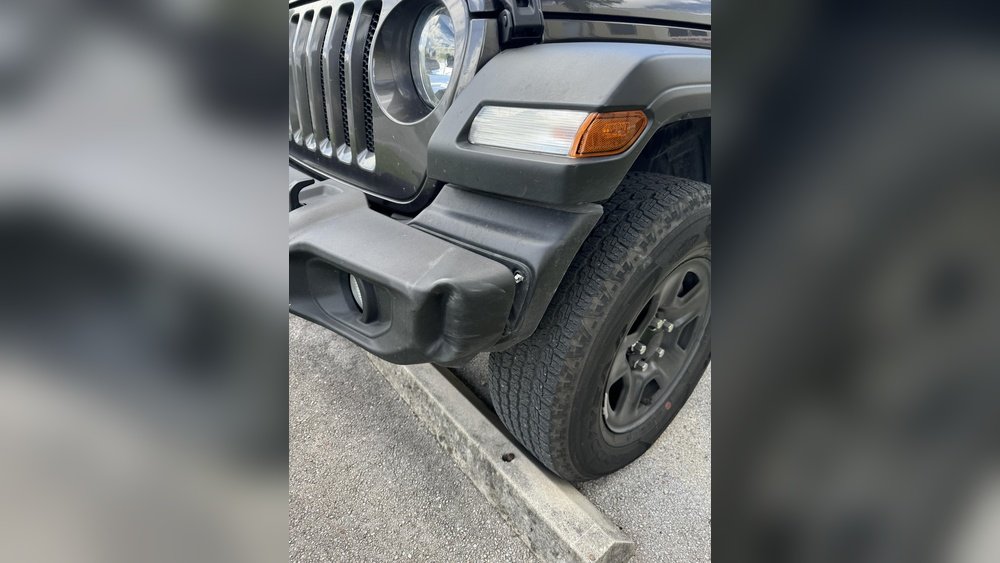
Plastic fenders are light and cheaper, but they can crack from impacts.
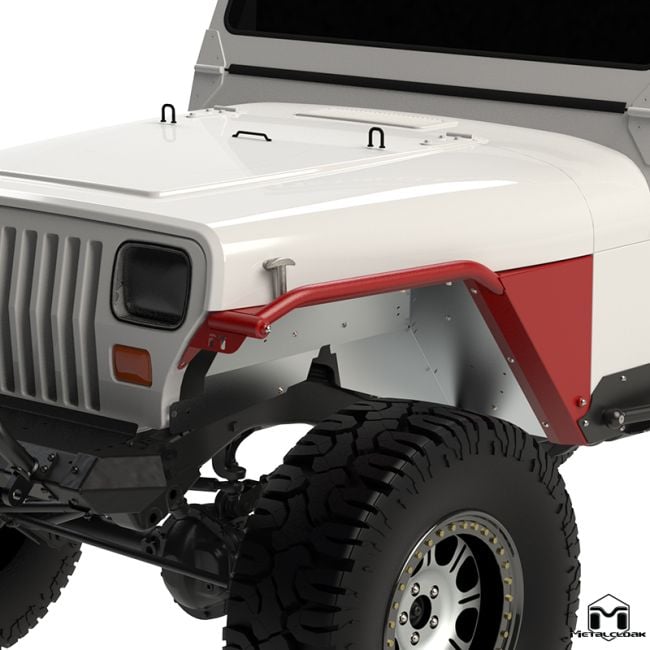
A small detail many overlook: the shape and design of aftermarket fenders can change how mud and debris hit your Jeep. If you drive in muddy areas, wide fenders keep your body cleaner, but may cost more.
Oem Vs Aftermarket Fender Prices
Your first decision is whether to buy OEM fenders or go with aftermarket. OEM fenders come directly from Jeep and match the original design. Aftermarket fenders are made by other companies and may offer different styles or features.
Here’s a quick comparison:
| Type | Average Price (each) | Fit/Finish | Warranty |
|---|---|---|---|
| OEM | $250–$400 | Perfect match | 1–2 years |
| Aftermarket | $120–$300 | May vary | 6 months–1 year |
OEM parts cost more, but they fit perfectly and are easy to paint. Aftermarket fenders are cheaper and offer more styles, but fit can sometimes be tricky. Some aftermarket brands use thinner metal, which bends easier. Always check reviews for fit and durability.
For example, Smittybilt aftermarket fenders are known for tough off-road use, but may need extra drilling for proper fit.
If your Jeep TJ is a show vehicle or you plan to sell soon, OEM fenders help keep its value and original look. If you like custom looks or off-road upgrades, aftermarket gives you more options.

Labor Costs: Diy Vs Professional Shop
One big decision is whether to install the fender yourself or pay a shop. Labor costs can add up quickly.
| Install Method | Estimated Labor Cost | Typical Time |
|---|---|---|
| DIY | $0 | 2–3 hours |
| Professional Shop | $200–$400 | 2–4 hours |
DIY is cheaper, but you’ll need basic tools and some experience. Many Jeep owners do it themselves, but mistakes like misaligned panels or missing bolts can cause problems later. For example, if you forget to align the fender with the door, you may hear rattling or see uneven gaps.
Shops usually finish faster and guarantee their work. If your Jeep has hidden rust or damage, a shop can fix it during installation. However, shop labor rates vary by region. In big cities, you may pay more than in rural areas.
Total Jeep Tj Fender Replacement Cost
Adding up parts and labor, here’s what most owners pay:
| Option | Fender Price (Pair) | Labor | Paint/Extras | Total Estimate |
|---|---|---|---|---|
| OEM + Shop | $500–$800 | $200–$400 | $150–$300 | $850–$1,500 |
| Aftermarket + Shop | $240–$600 | $200–$400 | $150–$300 | $590–$1,300 |
| OEM + DIY | $500–$800 | $0 | $100–$250 | $600–$1,050 |
| Aftermarket + DIY | $240–$600 | $0 | $100–$250 | $340–$850 |
Most Jeep TJ owners spend $340–$1,500 for a full fender replacement. If you only need one fender, cut the parts cost in half. Remember, paint and extras can push the price higher than you expect. If your Jeep has unique colors or decals, custom paint may cost more.
A practical tip: When you budget, always include 10–15% extra for surprises. For example, some shops find hidden damage that needs fixing, or you discover your old fender liner is torn.

Additional Costs Many Beginners Miss
Some extra costs surprise beginners:
- Painting and color matching: Most new fenders need paint. Shop fees can run $100–$300 per fender.
- Rust repair: If there’s rust under the old fender, fixing it can add $50–$200.
- Hardware and clips: Sometimes bolts or fasteners break. Replacements cost $10–$30.
- Inner fender liners: Damaged liners may need replacement ($40–$80 each).
- Shipping fees: Heavy fenders can cost $30–$60 to ship.
Always ask about these extras before buying parts or booking labor. For example, many shops charge extra for removing stuck bolts or cleaning old rust. One overlooked cost: If your Jeep TJ uses factory decals, replacing them can add $20–$50 per side.
Another hidden fee is disposal of old fenders. Some shops charge $20–$30 to recycle metal parts. This can be avoided if you keep the old fenders for future use, such as patching or reselling.
Tips For Saving Money
If you’re on a tight budget, consider these:
- Shop around for aftermarket fenders. Compare brands for fit and warranty.
- Buy used fenders from salvage yards. Sometimes you find OEM parts for less.
- Install yourself if you have tools and patience. Watch videos and follow step-by-step guides.
- Ask about bundled pricing at shops. Some offer package deals for parts, labor, and paint.
One non-obvious tip: Some shops will let you bring your own fenders. This saves on markup, but always check their policy. Another overlooked method is to check local Jeep clubs or online forums. Members often sell used fenders or offer advice about trusted shops.
If you’re repainting, ask about leftover paint at the shop. Sometimes, shops have extra paint from previous jobs and offer discounts if your color matches.
Common Mistakes To Avoid
Many beginners make these errors:
- Ignoring paint quality: Cheap paint can peel or fade quickly.
- Misplacing bolts: Losing hardware means loose fenders.
- Skipping rust treatment: Rust spreads fast; fix it before installing new parts.
Double-check everything before finishing the job. If you’re unsure, ask for help. For example, using the wrong bolts can cause the fender to vibrate while driving. Always use the right size and type.
Another common mistake: Not checking alignment before tightening all bolts. Tighten bolts loosely, check the fit, then finish tightening. Rushing this step can make doors or hood rub against the new fender.
Where To Find Reliable Parts
For quality and safety, buy from trusted dealers. Look for brands like Omix-ADA, Smittybilt, or direct Jeep dealers. Read reviews, ask about fit, and confirm warranty details.
If you use online marketplaces, check seller ratings and return policies. Sometimes, cheaper fenders are sold without warranty or may arrive damaged.
You can learn more about Jeep TJ parts and upgrades at Jeep Official Site.
Frequently Asked Questions
How Long Does Jeep Tj Fender Replacement Take?
Most replacements take 2–4 hours for both fenders. DIY may take longer if you’re new to auto repair. Plan extra time for painting and drying, which can add another day.
Can I Replace Only One Fender?
Yes, you can swap a single fender. Just match the style and color for a clean look. Prices are usually half the pair cost. If you mix OEM and aftermarket, check that both sides look balanced.
Do I Need Special Tools For Fender Replacement?
Basic tools work: socket set, screwdrivers, and pliers. If bolts are rusted, you might need a torque wrench or rust remover spray. For paint, you may need masking tape and sandpaper.
Will Aftermarket Fenders Affect My Jeep’s Value?
Quality aftermarket fenders usually don’t hurt resale value. But poor fit or paint can make your Jeep less attractive to buyers. If you plan to sell, keep old OEM fenders for future buyers.
Is It Worth Paying Extra For Oem Fenders?
If you want perfect fit and factory paint match, OEM fenders are best. Aftermarket options offer savings and new styles but may need adjustments. OEM is ideal for restoring classic Jeeps or keeping original value.
Replacing your Jeep TJ fenders can be simple if you plan ahead. Costs vary, but understanding the options helps you avoid hidden fees and mistakes. Whether you choose OEM or aftermarket, DIY or shop, make sure your Jeep stays ready for the next adventure.
Smart planning keeps your Jeep looking sharp and strong, so you can focus on the trails ahead.