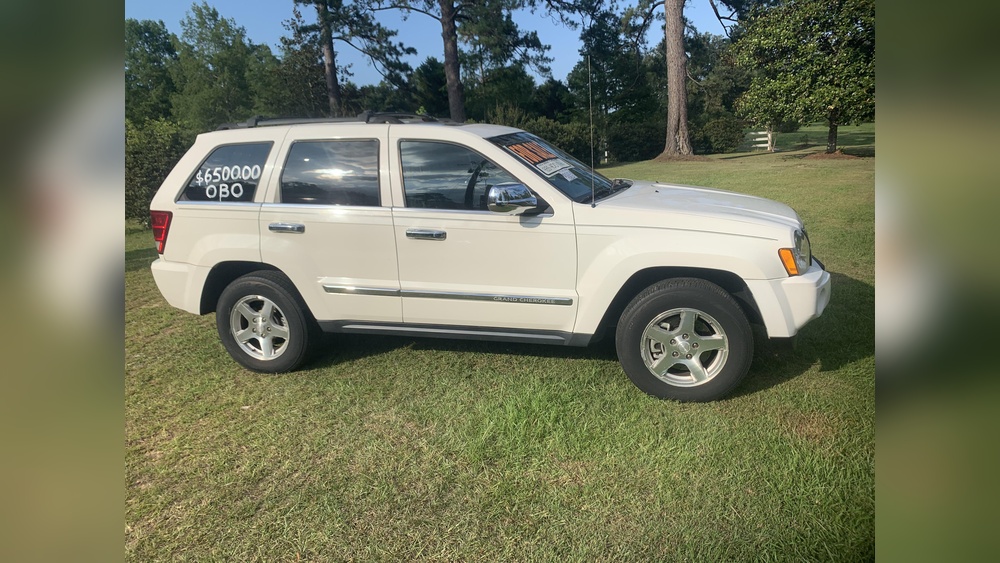
Jeep vehicles are known for their rugged style and off-road abilities, but even the toughest engines can face issues. The Jeep 3.2 engine, also called the 3.2L Pentastar V6, powers popular models like the Cherokee and Wrangler. Many owners appreciate its smoothness and power, but some have reported problems that can affect reliability and performance.
If you’re considering a Jeep with this engine or already own one, understanding the most common Jeep 3. 2 engine problems is essential. This guide breaks down three key issues, explains why they happen, and offers practical advice for each.
Jeep 3.2 Engine: Overview
The 3.2L Pentastar V6 is a modern, 24-valve engine. It offers a good mix of power and fuel efficiency. Since its release in 2014, it has become a mainstay in the Jeep lineup. However, like many modern engines, it comes with new technology that sometimes leads to specific challenges.
1. Cylinder Head Failure
One of the most serious problems with the Jeep 3.2 engine is cylinder head failure. This issue often appears in models built between 2014 and 2016.
Why It Happens
The main cause is overheating in the left cylinder head. The design of the engine’s cooling system sometimes can’t handle extreme heat, especially under heavy loads or in hot climates.
Signs And Symptoms
- Check engine light comes on
- Ticking noise from the engine
- Loss of power or rough idling
Ignoring these warning signs can lead to total engine failure.
Example
A 2015 Jeep Cherokee owner reported a check engine light at 55,000 miles. After inspection, mechanics found burnt valves due to overheating in the left head, a known weak spot for this engine.
Solutions
Replacing the cylinder head is expensive, often costing $2,000–$3,500. Jeep extended the warranty for some affected vehicles, but not all. Regular coolant checks and not ignoring warning lights can help prevent further damage.
2. Oil Consumption Issues
Another common complaint is excessive oil consumption. Some 3.2L engines burn oil faster than normal, even when there are no leaks.
Why It Happens
This usually results from worn piston rings or valve seals. When these parts wear out, oil leaks into the combustion chamber and burns off.
Symptoms
- Oil level drops quickly between oil changes
- Blue smoke from the exhaust
- Engine misfire or rough running
Even if you don’t see a puddle under your Jeep, you might still be losing oil.
Comparison: Oil Consumption Rates
Here’s how the Jeep 3.2 engine compares to other engines in oil usage:
| Engine | Typical Oil Loss per 1,000 Miles | Industry Acceptable Limit |
|---|---|---|
| Jeep 3.2L V6 | 1–1.5 quarts | 1 quart |
| Honda 3.5L V6 | 0.5 quarts | 1 quart |
| Toyota 3.5L V6 | 0.3 quarts | 1 quart |
Jeep’s oil loss can be above the industry standard, leading to more frequent top-offs.
Solutions
- Check the oil level every 1,000 miles
- Use high-quality synthetic oil
- Address any engine codes quickly
If the problem is severe, a mechanic may need to replace piston rings or valve seals. This is an expensive repair, often over $1,500.
Non-obvious Insight
Some owners try switching oil brands or weights. While this can help a little, it rarely solves the root problem if there’s internal engine wear.
3. Timing Chain Tensioner Problems
The timing chain tensioner keeps the engine’s timing chain tight. If it fails, the engine’s timing can slip, causing serious damage.
Why It Happens
The tensioner can wear out or lose oil pressure, especially if the oil is dirty or low. This is more likely as the engine ages.
Signs To Watch For
- Rattling noise from the engine at startup
- Engine misfires
- Poor acceleration
If ignored, the timing chain can jump, leading to bent valves or even total engine failure.
Example
A 2016 Jeep Cherokee owner noticed a rattling noise on cold mornings. Mechanics found the timing chain tensioner had failed, and the chain was loose. Replacing the tensioner and chain cost about $1,800.
Comparison: Timing Chain Vs. Timing Belt
Some engines use chains, others belts. Chains last longer but cost more to repair.
| Feature | Timing Chain (Jeep 3.2L) | Timing Belt |
|---|---|---|
| Typical Lifespan | 150,000+ miles | 60,000–100,000 miles |
| Replacement Cost | $1,500–$2,000 | $400–$900 |
| Failure Risk | Low, but catastrophic if it happens | Medium, usually less damaging |
Solutions
- Change the oil regularly to avoid sludge
- Listen for new noises at startup
- Get unusual engine noises checked quickly
Preventing Jeep 3.2 Engine Problems
While these issues are real, not every Jeep 3.2 engine will have them. Preventative maintenance can help:
- Use manufacturer-recommended oil and change it on time.
- Watch for warning lights or new sounds.
- Check coolant and oil levels often.
- Fix leaks or warning codes as soon as they appear.
A common mistake is ignoring small symptoms. Early repairs can save thousands in the long run.
Cost Summary: Common Repairs
Here’s a quick look at what these problems might cost:
| Problem | Typical Repair Cost | Is Warranty Possible? |
|---|---|---|
| Cylinder Head Failure | $2,000–$3,500 | Sometimes (extended warranty for some years) |
| Oil Consumption Repair | $1,200–$2,000 | No, unless under powertrain warranty |
| Timing Chain Tensioner | $1,500–$2,000 | No, usually considered wear and tear |

Final Thoughts
The Jeep 3. 2 engine has many strengths, but it’s important to be aware of its weak points. Cylinder head failure, oil consumption, and timing chain tensioner problems are the main concerns. Regular maintenance and quick attention to warning signs can help keep your Jeep running strong for years.
If you’re buying a used Jeep with this engine, ask for service records and consider having a mechanic check for these issues. For more technical details on the Pentastar engine, visit the Wikipedia page.
Frequently Asked Questions
What Years Of Jeep 3.2 Engine Have The Most Problems?
Models from 2014 to 2016 are most affected, especially with cylinder head issues. Later years saw improvements.
How Often Should I Check Oil Levels In My Jeep 3.2 Engine?
Check every 1,000 miles or monthly, especially if you notice oil loss.
Can I Prevent Timing Chain Tensioner Failure?
Changing oil on time and using the right oil helps keep the tensioner working longer. Listen for engine noises and act quickly.
Is High Oil Consumption Covered By Jeep Warranty?
Most oil consumption problems are not covered unless your vehicle is still under the powertrain warranty.
Should I Avoid Buying A Jeep With The 3.2 Engine?
Not necessarily. If the vehicle has a solid maintenance history and shows no symptoms, the engine can be reliable. Always get a pre-purchase inspection.