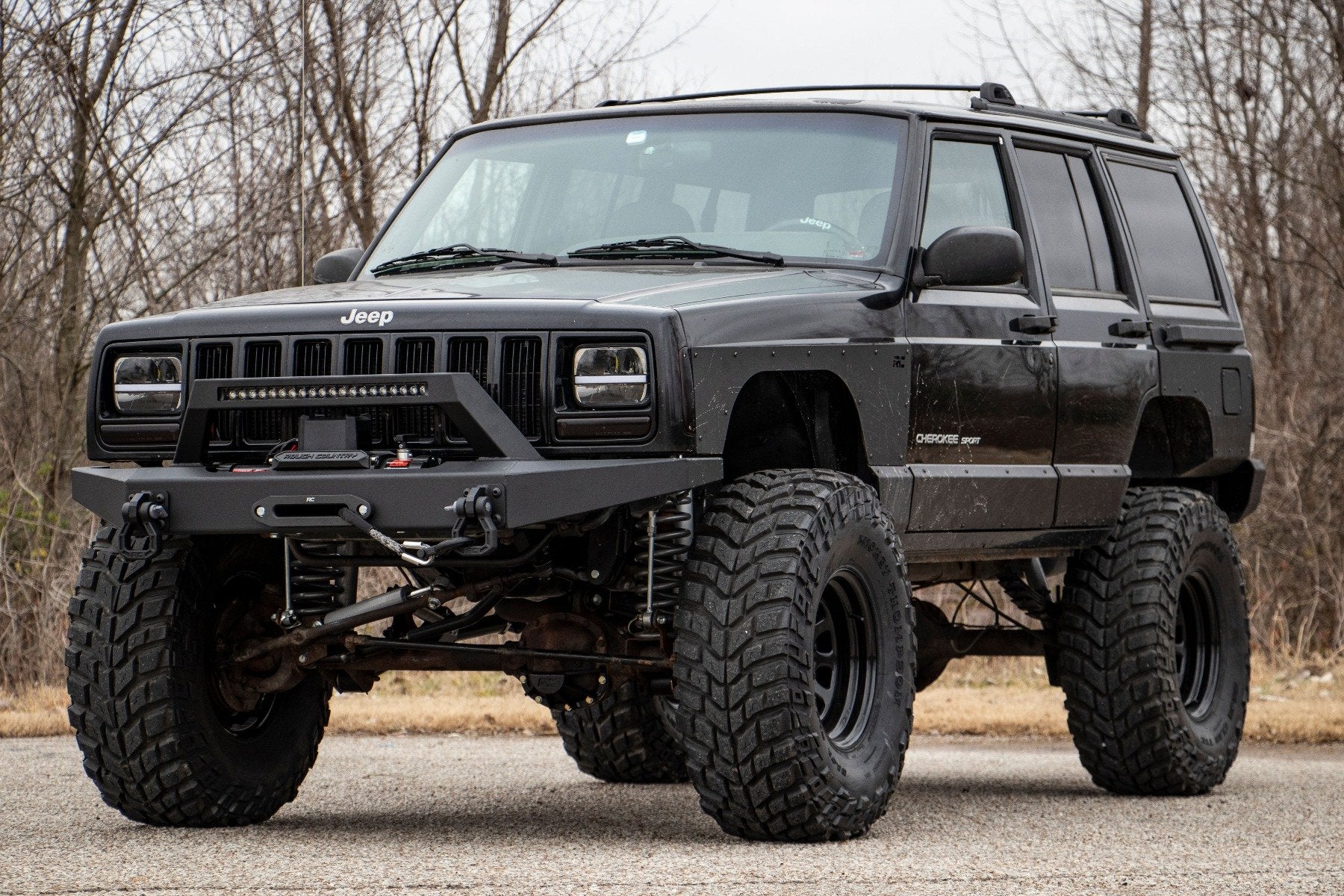
Lifting a Jeep Cherokee is one of the most popular upgrades among off-road enthusiasts and daily drivers seeking a bolder look or better ground clearance. Whether you want to tackle rough terrain or fit larger tires, understanding how to lift your Jeep safely and effectively is key.
Many beginners rush into this project and overlook important steps, leading to performance issues or even safety hazards. Here’s a complete guide to help you lift your Jeep Cherokee with confidence.
Understanding Jeep Cherokee Lift Options
Before making any changes, it’s important to know your Jeep Cherokee model. The most common models are the XJ (1984–2001), KL (2014–present), and Grand Cherokee (ZJ, WJ, WK, etc.). Most lift kits are designed for the XJ due to its solid front and rear axles, but kits for newer models are also available.
There are three main types of lift kits:
- Spacer (Budget Boost) Kits: Add spacers above the springs for 1–2 inches of lift. They are affordable and easy to install.
- Spring Replacement Kits: Replace your springs for 2–4 inches of lift. They improve ride quality and are suitable for moderate off-roading.
- Long Arm/Short Arm Kits: These offer 4+ inches of lift with new suspension arms. They are best for serious off-road use but require more modifications.
Here’s a quick comparison of lift kit types:
| Lift Kit Type | Lift Height | Cost Range | Complexity |
|---|---|---|---|
| Spacer | 1–2 inches | $100–$300 | Easy |
| Spring Replacement | 2–4 inches | $300–$900 | Moderate |
| Long/Short Arm | 4+ inches | $900–$2,500+ | Advanced |
Tools And Preparation
Lifting a Jeep Cherokee requires more than just a jack. You’ll need:
- Jack stands (minimum of 2)
- Floor jack
- Socket set and wrenches
- Torque wrench
- Spring compressors (for larger lifts)
- Pry bar
- WD-40 or penetrating oil
Always work on a flat, stable surface. Wear safety glasses and gloves. Before starting, measure your current ride height at each wheel for reference. Beginners often forget this, making it hard to see the true result or diagnose post-installation issues.

Step-by-step: How To Lift A Jeep Cherokee
The process can vary depending on the kit, but the general approach is similar.
1. Secure The Vehicle
Park on a level surface, engage the parking brake, and block the wheels. Loosen the lug nuts before lifting.
2. Lift And Support
Use a floor jack to raise the Jeep, then place jack stands under the frame. Never rely only on the jack for support.
3. Remove Wheels
Take off the wheels to access the suspension. Spray bolts with WD-40 if rusted.
4. Disconnect Suspension Components
Remove components like shocks, sway bar links, and track bars as needed. For larger lifts, you may need to disconnect brake lines to avoid stretching them.
5. Install Lift Components
Install spacers or new springs according to the kit instructions. Use a spring compressor if necessary. For long arm kits, follow the detailed diagrams provided by the manufacturer.
6. Reconnect And Reassemble
Reattach all suspension components. Replace any worn bushings or hardware for better safety.
7. Install Wheels And Lower Jeep
Reinstall the wheels and hand-tighten the lug nuts. Lower the vehicle slowly, then torque the nuts to the manufacturer’s specifications.
8. Double-check Everything
Check for any loose bolts, odd noises, or stretched lines. It’s smart to drive a short distance and re-inspect all fasteners.
Here’s an example of time estimates for each step:
| Step | Estimated Time |
|---|---|
| Preparation & Lifting | 30 min |
| Component Removal | 45 min |
| Install Lift Kit | 1–2 hr |
| Reassembly & Checks | 45 min |
What To Do After Lifting
Many beginners skip post-installation steps and end up with poor ride quality or handling problems.
- Alignment: Always get a professional alignment after lifting your Jeep. This prevents uneven tire wear and improves handling.
- Brake Line Check: Make sure brake lines aren’t stretched. Extended lines may be required for lifts over 2 inches.
- Driveshaft Angles: For lifts over 3 inches, check driveshaft angles. You may need a transfer case drop or slip yoke eliminator.
- Retorque Bolts: After 50–100 miles, retighten all suspension bolts.
Here’s a look at alignment recommendations after different lift heights:
| Lift Height | Alignment Needed? | Additional Adjustments |
|---|---|---|
| Up to 2 inches | Yes | None or minor |
| 2–4 inches | Yes | Track bar, brake lines |
| 4+ inches | Yes | Driveshaft, control arms |
Common Mistakes To Avoid
- Skipping alignment: This leads to poor handling and fast tire wear.
- Ignoring brake lines: Stretched lines can break during off-road use.
- Choosing the wrong kit: Consider your driving style and needs.
- Using factory shocks: Most lifts require new, longer shocks for proper travel.
- Not upgrading tires: Larger tires maximize the benefits of a lift.
A non-obvious tip: Research your local inspection laws. Some regions limit lift heights or require certification.
Cost Vs. Benefit
Lifting your Jeep Cherokee can cost anywhere from $200 to $3,000 or more, depending on the parts and whether you DIY or hire a shop. While a basic lift is affordable, advanced kits can add costs for driveshafts, control arms, and labor. Always balance your budget with your goals.
If you’re unsure about the process, it’s wise to consult a pro or review official guides like those found on the Jeep Cherokee Wikipedia page.

Frequently Asked Questions
How High Can I Safely Lift My Jeep Cherokee?
Most experts recommend no more than 3–4 inches for daily driving. Lifts above this may require major drivetrain and steering upgrades to remain safe and street legal.
Will Lifting My Cherokee Affect Fuel Economy?
Yes, lifting your Jeep increases wind resistance and may add weight, which can reduce fuel efficiency by 1–3 MPG depending on tire size and lift height.
Do I Need To Change Shocks When Lifting?
For lifts over 2 inches, new shocks are almost always necessary. Stock shocks are too short and can limit suspension travel or fail prematurely.
Can I Install A Lift Kit Myself?
If you have basic mechanical skills and tools, a spacer or spring kit is a doable weekend project. Advanced kits may require specialty tools or professional help.
What Size Tires Can I Run After A Lift?
A 2-inch lift usually fits 30-inch tires. A 3–4 inch lift can allow 31–33 inch tires, but fender trimming may be needed for aggressive off-road use.
Lifting a Jeep Cherokee is a rewarding upgrade when done right. Take your time, follow safety steps, and choose the right kit for your goals. This way, your Jeep will perform well both on and off the road.