If you own a Jeep Wrangler, knowing how to change between 4×4 modes can make a big difference in your driving experience. Using the right 4×4 setting keeps you safe in tough conditions, prevents damage to your Jeep, and helps you tackle off-road challenges confidently. While it may seem simple, each 4×4 mode has a unique purpose, and switching incorrectly can cause problems. This guide explains how to change each 4×4 mode on your Jeep Wrangler, including tips, step-by-step instructions, and practical advice based on real-world experience.
Understanding Jeep Wrangler 4×4 Modes
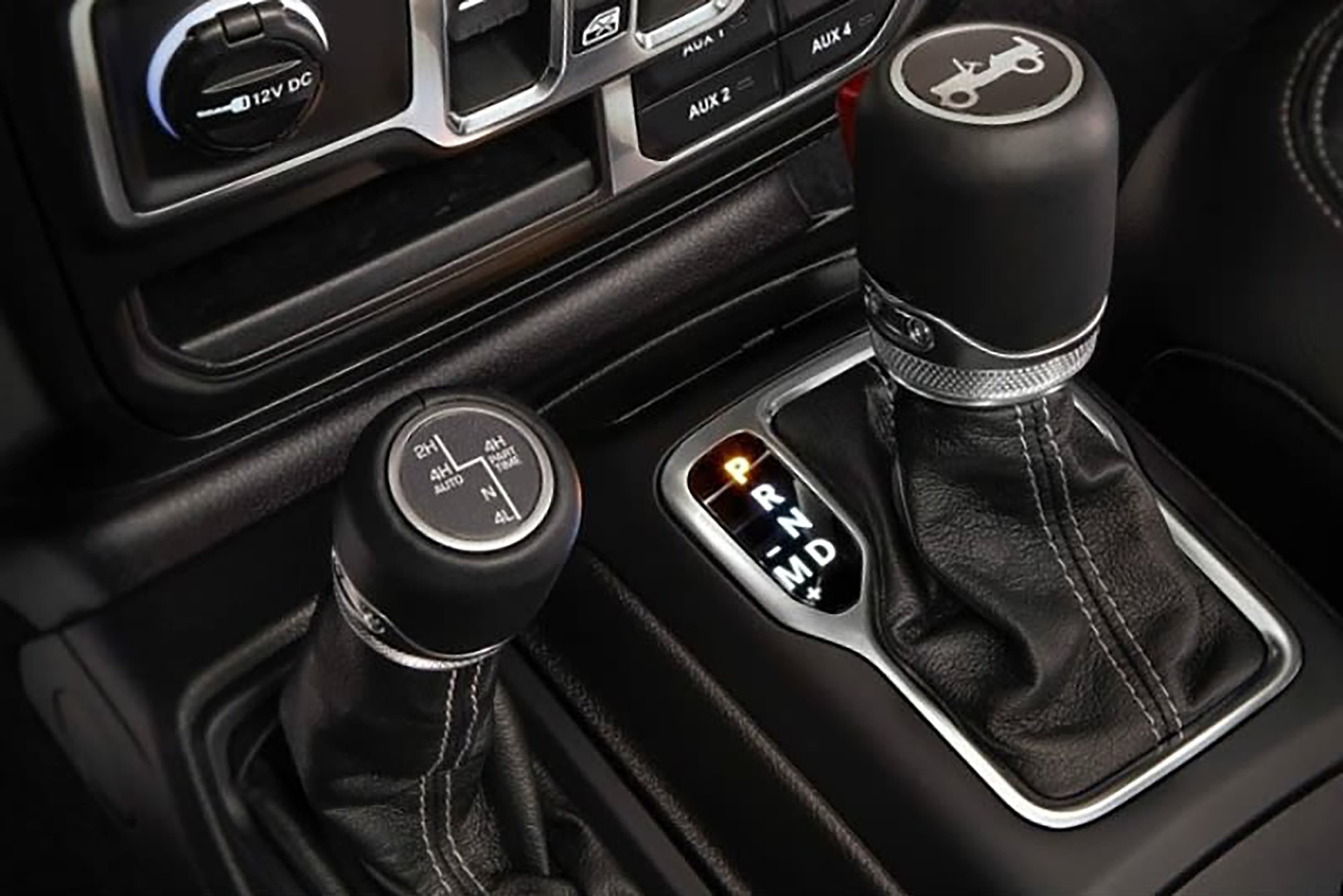
Jeep Wranglers usually come with four main 4×4 modes:
- 2H (Two-Wheel Drive High)
- 4H (Four-Wheel Drive High)
- N (Neutral)
- 4L (Four-Wheel Drive Low)
Each mode is designed for different road conditions and driving needs. Knowing when and how to use them helps you get the most from your vehicle.
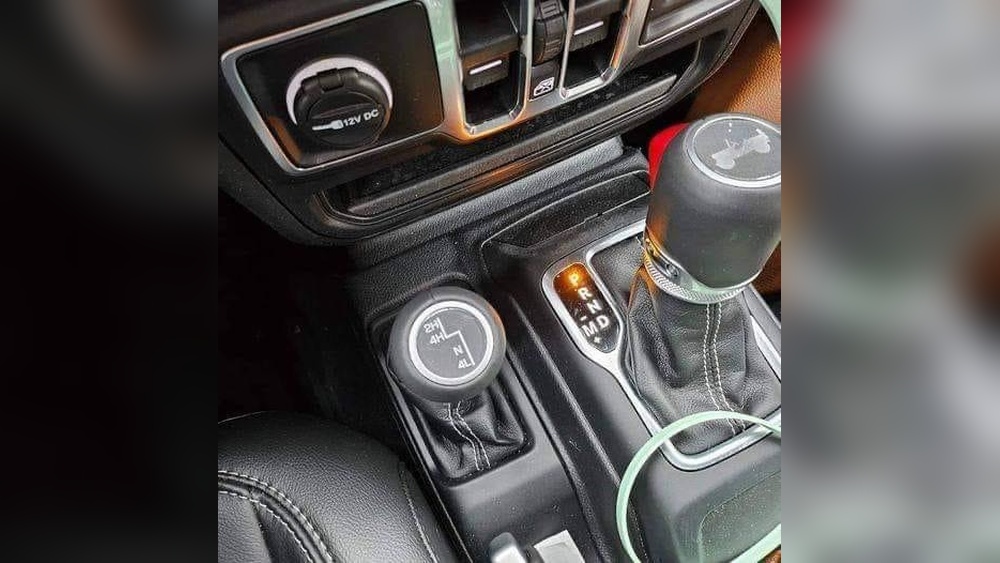
| Mode | Best For | Max Speed |
|---|---|---|
| 2H | Normal roads, dry pavement | All speeds |
| 4H | Snow, mud, slippery roads | Up to 55 mph |
| N | Towing, disengaging transmission | 0 mph |
| 4L | Steep hills, deep sand, off-road | Up to 25 mph |
How To Change Each 4×4 Mode On Jeep Wrangler
1. Switching To 2h (two-wheel Drive High)
2H is the default mode for daily driving on dry, paved roads. Power goes only to the rear wheels, giving the best fuel efficiency.
- How to Switch: Ensure the Jeep is moving straight and at any speed. Move the transfer case lever to 2H. You can shift from 4H to 2H while driving (this is called “shift on the fly”).
- Tip: If your Jeep feels heavy or noisy, make sure you are not stuck in 4H or 4L by mistake. Driving in 4H or 4L on dry roads can damage the drivetrain.
2. Shifting To 4h (four-wheel Drive High)
4H is perfect for slippery conditions like snow, mud, or gravel. All four wheels get power, which improves traction.
- How to Switch: Slow down to below 55 mph. While moving straight, pull the transfer case lever from 2H to 4H. You can do this while moving; there’s no need to stop.
- Extra Insight: Many beginners forget that 4H is not for dry pavement. Using 4H on normal roads can cause tire wear and stress the transfer case.
3. Engaging Neutral (n)
The Neutral mode disconnects the transmission from the wheels. It’s mostly used for flat towing (towing your Jeep behind another vehicle).
- How to Switch:
- Stop the Jeep completely.
- Shift the transmission into Neutral (N).
- Firmly press the brake.
- Move the transfer case lever to N.
- Practical Example: If you need to tow your Wrangler behind an RV, this is the mode you need. Never drive the Jeep in Neutral mode.
4. Activating 4l (four-wheel Drive Low)
4L is designed for serious off-roading, steep hills, deep sand, or pulling heavy loads at low speeds. It gives more torque to the wheels.
- How to Switch:
- Slow down to 2–3 mph.
- Put the transmission in Neutral.
- With your foot on the brake, move the transfer case lever from 4H directly to 4L in one smooth motion.
- Shift the transmission back to Drive or 1st gear.
- Common Mistake: Many drivers hesitate or “pause” the lever between positions. Always shift directly and smoothly, or the gear may not engage fully.
When To Use Each 4×4 Mode
Choosing the right mode is essential for both safety and the health of your Jeep.
| Situation | Recommended Mode |
|---|---|
| City/highway, dry weather | 2H |
| Rain, light snow, gravel | 4H |
| Deep mud, sand, rocks | 4L |
| Towing behind another vehicle | N |
Tips For Smooth 4×4 Shifting
- Straighten the wheels before shifting. Turning while shifting can cause grinding.
- Drive slowly when moving into or out of 4L.
- Avoid dry pavement in 4H or 4L. It can cause binding (feels like the Jeep is “hopping”).
- If you hear a clunk or the Jeep is hard to shift, let it roll a few inches forward or back.
- If the 4×4 light blinks but does not stay on, repeat the shift process.
Common Problems And Solutions
- Stuck in 4H or 4L: Try rolling gently forward and backward while shifting.
- Grinding noise: Make sure the Jeep is at the right speed and transmission is in Neutral when shifting to 4L or N.
- 4×4 light stays on: Could be a sensor issue. If it does not go away, visit a dealer.
Jeep Wrangler 4×4 System Comparison
Different Jeep Wrangler generations may have different transfer cases.
| Model Year | Transfer Case | 4×4 Modes |
|---|---|---|
| JK (2007-2018) | NV241/NP241 | 2H, 4H, N, 4L |
| JL (2018+) | Command-Trac / Rock-Trac | 2H, 4H, N, 4L |

Final Thoughts
Changing the 4×4 mode on your Jeep Wrangler is simple once you know the process. Always match the mode to the driving condition. Remember, using the wrong mode can damage your vehicle or make driving unsafe. Practice switching modes in a safe area before you really need them. For deeper technical details, you can visit the official Jeep 4×4 page.
Frequently Asked Questions
How Do I Know If 4×4 Is Engaged On My Jeep Wrangler?
A light on your dashboard will show which 4×4 mode is active. If the light is blinking, the mode may not be fully engaged.
Can I Switch Between 2h And 4h While Driving?
Yes, you can shift between 2H and 4H while moving below 55 mph. Always shift while driving straight.
Why Is My Jeep Making Noise After Shifting 4×4 Modes?
Some noise is normal, but loud grinding or clunking means you may not have shifted correctly. Try shifting again or check if you are on the right surface.
Is It Safe To Use 4h On Dry Pavement?
No, using 4H on dry pavement can cause tire and drivetrain damage due to binding. Only use 4H on slippery surfaces.
What Should I Do If My Jeep Won’t Shift Out Of 4l?
Gently roll the Jeep forward or backward while shifting the lever. Make sure the transmission is in Neutral. If it still won’t shift, consult a mechanic.