If you own a Jeep Liberty and want to make it faster, you might feel limited by its factory setup. While the Liberty is built for reliability and off-road performance, its speed on the road is modest. Many drivers wish their SUV had quicker acceleration, better throttle response, or even a higher top speed. The good news is, you can boost your Liberty’s performance without breaking the bank or sacrificing reliability. This guide covers proven ways to make your Jeep Liberty faster, along with helpful comparisons, practical advice, and expert tips.
Understand Your Jeep Liberty’s Limits
Before making upgrades, it’s important to know the stock performance. Most Jeep Liberty models (2002–2012) come with either a 3.7L V6 or a 2.4L inline-4. The V6 produces about 210 hp and 235 lb-ft of torque, and the inline-4 offers around 150 hp.
| Model Year | Engine | Horsepower | 0-60 mph (sec) |
|---|---|---|---|
| 2002 | 3.7L V6 | 210 | 9.6 |
| 2005 | 2.8L Diesel | 160 | 10.2 |
| 2012 | 3.7L V6 | 210 | 9.8 |
These numbers show that the Liberty is not a sports SUV. Upgrades can improve its speed, but you must work within the vehicle’s mechanical limits.

Engine And Air Intake Upgrades
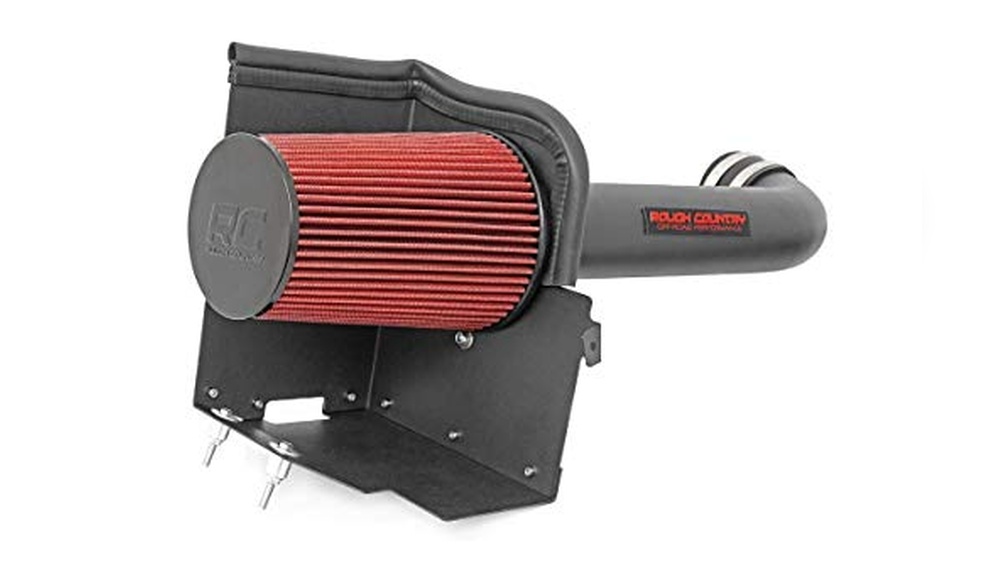
If you want more power, improving the engine’s breathing is a smart start. A cold air intake lets cooler, denser air into the engine, increasing combustion efficiency.
- Cold Air Intake Kits: Brands like K&N and Spectre offer kits for the Jeep Liberty. Installing one can add 5–10 hp and improve throttle response.
- High-Flow Air Filters: A simple swap, these filters offer better airflow than stock filters.
- Throttle Body Upgrades: Replacing the throttle body with a larger one helps the engine get more air, especially when paired with other upgrades.
| Upgrade | Estimated HP Gain | Cost Range |
|---|---|---|
| Cold Air Intake | +5 to +10 | $150–$300 |
| High-Flow Filter | +2 to +4 | $40–$80 |
| Throttle Body | +4 to +7 | $200–$350 |
Upgrading these parts is often the best way to start, because they don’t require deep engine work and are fairly easy to install.

Exhaust And Tuning Improvements
Your Liberty’s exhaust system helps remove spent gases from the engine. Upgrading it can unlock more horsepower and torque.
- Cat-back Exhaust Systems: These replace everything from the catalytic converter back. They increase horsepower (up to 10 hp) and improve sound.
- Headers: Performance headers improve exhaust flow, though installation is more complex.
- Engine Tuning: Many owners overlook tuning. A handheld tuner can adjust the engine’s fuel and timing settings for more power. Expect gains of 10–15 hp with a quality tuner.
Common Mistakes
Many beginners install upgrades but forget tuning. Without proper tuning, your new parts won’t deliver their full potential. Another mistake is buying cheap parts. Low-quality exhausts or intakes may not fit well and could lower performance.
Reduce Weight For Faster Acceleration
Speed is not only about horsepower. Weight reduction is a proven way to make your Liberty accelerate faster. Consider removing unnecessary items:
- Roof racks or cargo carriers
- Spare tire if you drive mainly in the city
- Heavy aftermarket bumpers
Even removing 100 lbs can improve 0–60 mph times by up to 0. 2 seconds. While this seems small, every bit counts in a heavier SUV.

Tire And Gear Ratio Changes
Changing your Liberty’s tires or differential gear ratios can help with acceleration.
- Performance Tires: Choose lighter, grippy tires for better traction and less rolling resistance.
- Gear Ratio Upgrades: Swapping to a lower (numerically higher) gear ratio increases torque at the wheels, improving acceleration. This is common for off-roaders, but it works for street use, too.
| Modification | Effect | Trade-Offs |
|---|---|---|
| Performance Tires | Better grip, faster launches | Reduced off-road ability |
| Lower Gear Ratio | Quicker acceleration | Lower fuel economy |
Maintenance And Advanced Upgrades
Keeping your Liberty in top shape is essential for speed. Regular maintenance—like changing spark plugs, fluids, and filters—keeps your engine running smoothly.
For advanced upgrades:
- Forced Induction (Supercharger/Turbo): Rare and expensive, but some kits exist. Expect major gains but also more stress on the engine.
- Nitrous Oxide: Not recommended for daily use, but possible for racing.
Non-obvious Insight
Many drivers ignore transmission fluid changes. Fresh fluid helps the automatic transmission shift faster and more smoothly, directly improving acceleration. Also, cleaning the throttle body and mass airflow sensor can restore lost performance over time.
Safety And Reliability
Going faster isn’t just about power. Upgrades can strain other parts. Always check your brakes, tires, and suspension. If you add power, consider upgrading brakes for safer stops.
Research each upgrade carefully. Quality matters more than quantity. Check forums, reviews, and trusted sources like Car and Driver for deep insights.
Frequently Asked Questions
How Much Horsepower Can I Gain With Simple Upgrades?
With cold air intake, exhaust, and tuning, you can expect gains of 20–30 hp. More advanced upgrades can push this higher, but reliability may suffer.
Will Performance Upgrades Affect My Jeep Liberty’s Reliability?
Yes, especially if you use cheap parts or skip maintenance. Quality upgrades and regular care help keep your Liberty reliable.
Can I Install These Upgrades Myself?
Many upgrades like intakes, filters, and tuners are DIY-friendly. Exhaust or gear ratio changes may require a professional mechanic.
Are There Any Downsides To Making My Liberty Faster?
Speed upgrades can reduce fuel economy, add stress to the engine, and affect warranty coverage. Always weigh the risks and benefits.
What Is The Best Single Upgrade For Faster Acceleration?
For most drivers, a quality tuner gives the best results. It unlocks hidden power and optimizes all other upgrades for your Jeep Liberty.
Making your Jeep Liberty faster is possible with careful planning and smart choices. Focus on proven upgrades, use quality parts, and never skip maintenance. With these steps, you’ll notice a real improvement in speed and driving fun—without sacrificing safety or reliability.