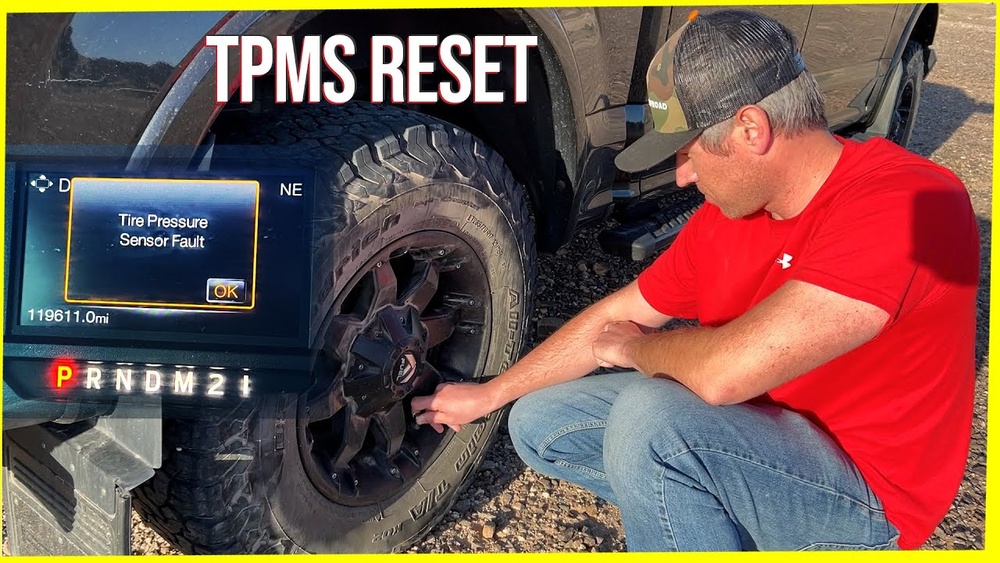
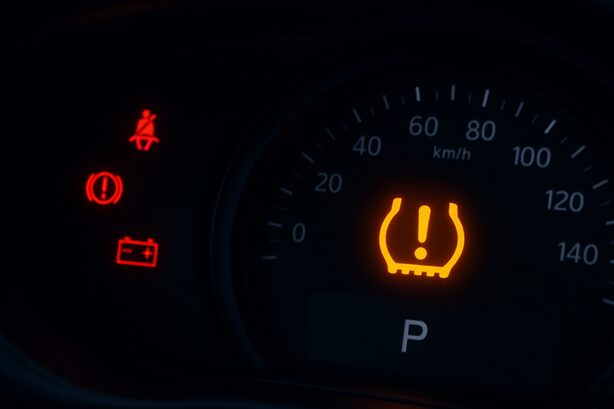
A tire sensor fault can feel confusing, especially if you’re not a car expert. You see a warning on your dashboard—maybe a yellow symbol or “TPMS fault”—and wonder what it means. The Tire Pressure Monitoring System (TPMS) is designed to keep you safe by alerting you when your tire pressure is too low or too high. But what should you do when the sensor itself fails? Fixing a tire sensor fault is not as hard as it seems. With the right steps, you can often solve the issue yourself and avoid expensive service visits.
Understanding Tire Sensor Faults
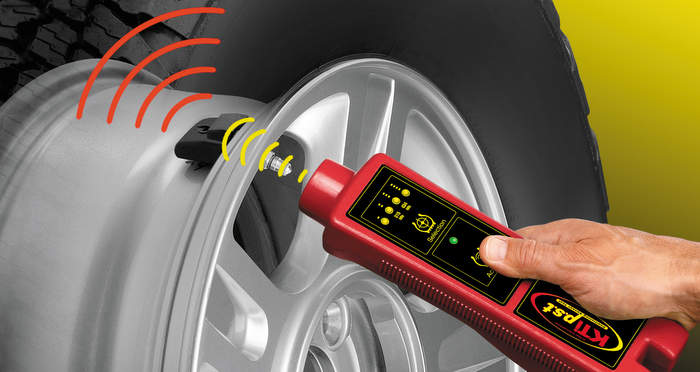
The TPMS uses sensors to check tire pressure. When a sensor fails, your dashboard lights up. Common causes include dead sensor batteries, damaged sensors, or issues after tire changes. Many cars use direct TPMS with sensors inside each tire, while some use indirect TPMS that relies on wheel speed. Knowing your system helps you fix faults faster.
Here is a quick comparison between direct and indirect TPMS:
| Type | How It Works | Common Issues |
|---|---|---|
| Direct TPMS | Sensors inside each tire measure air pressure | Sensor battery failure, physical damage |
| Indirect TPMS | Uses ABS wheel speed sensors | Calibration errors, false alerts |
Step-by-step Guide To Fixing Tire Sensor Faults
1. Check Tire Pressure
Use a tire pressure gauge to check all four tires. Low pressure can trigger a fault. Inflate tires to the recommended PSI, usually found on a sticker inside the driver’s door.
2. Reset The Tpms
Most cars allow you to reset the TPMS after adjusting tire pressure. The reset button is often under the steering wheel or in the glove box. Hold it for several seconds until the warning light blinks.
3. Inspect Sensors
If the warning stays, examine the valve stems. Direct TPMS sensors are attached to them. Look for signs of corrosion, damage, or missing caps. A damaged sensor needs replacement.
4. Scan For Fault Codes
A TPMS scan tool can read fault codes from your car’s computer. Many auto shops offer this service. Codes tell you which sensor is faulty. If you own a scan tool, follow these steps:
- Plug the tool into the OBD-II port (usually under the dashboard).
- Select the TPMS menu.
- Read codes and note which tire has the issue.
5. Replace Faulty Sensor
If a sensor is dead, you must replace it. Sensors last 5–10 years, but their batteries cannot be recharged. Replacement sensors cost $40–$100 each. After replacement, sensors need to be programmed to your car.
Here’s a comparison of common TPMS sensor brands:
| Brand | Average Price | Battery Life | Programming Needed |
|---|---|---|---|
| Schrader | $50 | 8 years | Yes |
| Autel | $45 | 7 years | Yes |
| OEM (dealer) | $80 | 10 years | Yes |
6. Recalibrate Or Relearn Sensors
After replacing or rotating tires, sensors may need recalibration. Some cars do this automatically, but others require a relearn procedure. Instructions are usually in your owner’s manual.
7. Check For Electrical Issues
If the fault persists, check wiring and connectors near each wheel. Corroded wires or loose connectors can block sensor signals. Use a flashlight to inspect connections. Fix or replace damaged wires as needed.
Practical Tips And Common Mistakes
- Don’t ignore the TPMS warning. Driving with low tire pressure is dangerous.
- Always use the correct sensor for your car model; wrong sensors won’t communicate.
- If you use aftermarket wheels, confirm they support TPMS sensors.
- After a sensor replacement, drive for 10–15 minutes to allow the system to update.
- Never attempt to repair a sensor battery; it’s not designed for replacement.
Many beginners forget to recalibrate after rotating tires. This can trigger a fault even if sensors are working. Also, incorrect tire pressure (even slightly low) is the most common reason for warnings—not a sensor failure.
When To Seek Professional Help
If you’ve tried all steps and the warning remains, visit a qualified mechanic. Some faults require advanced diagnostics or special tools. For example, signal interference from nearby electronics can confuse TPMS. A professional can test sensors and wiring thoroughly.
The National Highway Traffic Safety Administration found that vehicles with working TPMS are 15% less likely to experience tire-related crashes. Keeping your system in good shape is crucial for safety.
Cost And Time Estimates
Fixing a tire sensor fault can be quick and affordable if you follow the right steps. Here’s an overview:
| Step | Estimated Cost | Time Required |
|---|---|---|
| Check tire pressure | $0 (DIY) | 5 minutes |
| Reset TPMS | $0 (DIY) | 2 minutes |
| Scan codes | $30–$50 (shop) | 15 minutes |
| Replace sensor | $40–$100 per sensor | 30–45 minutes |
Most TPMS faults are resolved within an hour, unless there’s complex wiring damage.
Frequently Asked Questions
What Causes Tire Sensor Faults?
Most faults are caused by dead sensor batteries, damaged sensors, or improper calibration after tire changes. Sometimes, electrical issues or signal interference can trigger false warnings.
Can I Drive With A Tpms Warning Light?
You can drive, but it’s unsafe. The warning means your tire pressure may be low or the sensor isn’t working. Check your tires immediately to avoid tire blowouts or poor handling.
How Do I Know Which Sensor Is Faulty?
A TPMS scan tool or a mechanic can read fault codes and identify the faulty sensor. Your car’s dashboard may also show which tire is affected in newer models.
Is It Expensive To Fix A Tire Sensor Fault?
Costs vary. Simple fixes like inflating tires or resetting the system are free. Replacing a sensor costs $40–$100 each, plus programming fees. Professional diagnostics may add $30–$50.
Where Can I Find Official Tpms Information?
You can find detailed TPMS guidelines and safety tips on the National Highway Traffic Safety Administration website.
Fixing a tire sensor fault isn’t just about clearing a warning light—it’s about keeping your car safe and reliable. With these clear steps and practical advice, you can handle most TPMS issues confidently and avoid unnecessary stress.