Replacing the battery in your Jeep Renegade key fob is a simple task, but many drivers hesitate to try it themselves. Worrying about damaging the fob or getting stuck without a working key is common. However, you can confidently change the battery at home in just a few minutes—and save money compared to visiting a dealership. This guide breaks down each step, highlights important details, and explains common mistakes people make. Whether your Renegade is a recent model or a few years old, the process is similar. Keep reading to learn how to do it right and avoid issues.
Identifying Your Jeep Renegade Key Fob Type
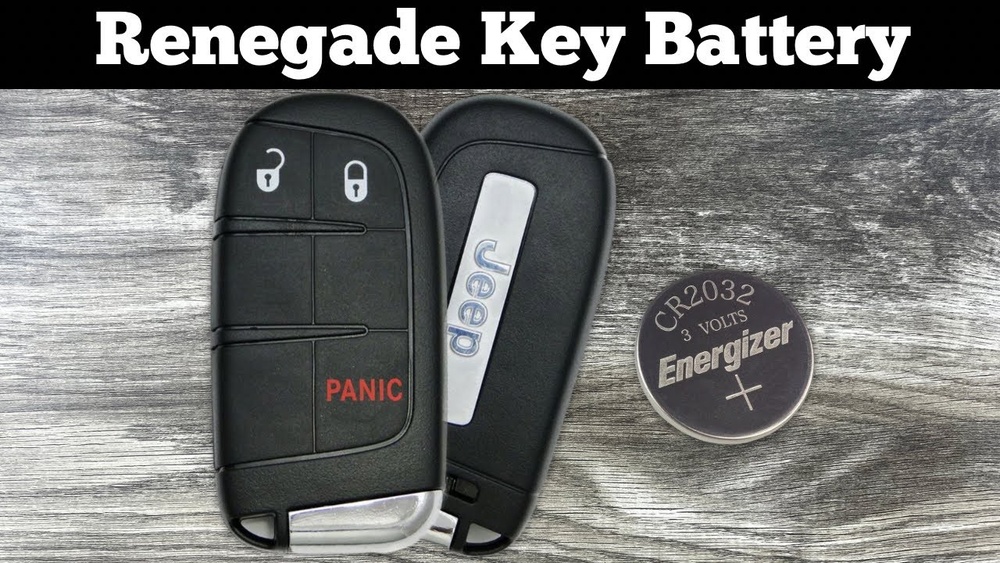
Not all Jeep Renegade key fobs are exactly the same. Most models from 2015 onward use a push-button key fob. Some older Renegades may use a slightly different style. Knowing your fob type is key because battery access can vary.
Here’s a quick comparison of the main types:
| Fob Style | Year Range | Main Battery Type |
|---|---|---|
| Push-button (Smart Key) | 2015–2024 | CR2032 |
| Flip Key Fob | 2015–2018 | CR2032 |
| Traditional Key | 2015 and earlier | Varies |
The CR2032 battery is most common. Always check your owner’s manual or open the fob to confirm before buying a replacement.
Symptoms Of A Weak Key Fob Battery
A weak battery can cause unexpected problems:
- Reduced range: Your fob only works close to the car.
- Delayed response: Buttons react slowly or not at all.
- Warning lights: Some Renegades show a message like “Key fob battery low.”
- Failure to start: Push-button start may not work.
Replacing the battery quickly prevents these issues and keeps your Renegade secure.
Tools And Materials Needed
You don’t need special tools. Gather these before starting:
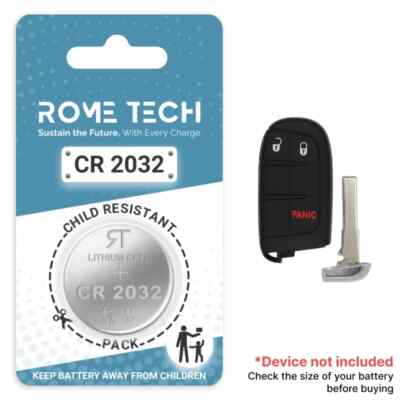
- Replacement battery: CR2032 (confirm size)
- Small flathead screwdriver or plastic pry tool
- Clean cloth (for handling battery)
- Owner’s manual (optional)
Avoid using metal tools that are too sharp, as they can damage the fob.
Step-by-step Battery Replacement Guide
Follow these steps carefully. Most people finish in under five minutes.
1. Remove The Mechanical Key
Many Renegade key fobs have a hidden mechanical key:
- Slide the release latch (usually on the side).
- Pull the key out gently.
This exposes the seam where the fob opens.
2. Open The Fob Case
- Insert a small screwdriver or pry tool into the seam.
- Twist gently to separate the two halves.
- Be careful not to force it. Excess pressure can crack the plastic.
Some fobs have clips; work around the edge slowly.
3. Locate And Remove The Old Battery
Inside, you’ll see the round battery. Note its position and orientation.
- Use the tool to lift the battery out.
- Avoid touching the circuit board with metal tools.
4. Insert The New Battery
- Place the new CR2032 battery in the same orientation.
- The + side faces up in most fobs.
- Press gently until it clicks into place.
5. Reassemble The Fob
- Align both halves of the fob.
- Press together firmly; you’ll hear a snap.
- Insert the mechanical key back.
6. Test The Key Fob
- Stand near your Jeep and press the lock/unlock buttons.
- Check range and responsiveness.
If it doesn’t work, open the fob and check battery placement.
Key Fob Battery Brands Compared
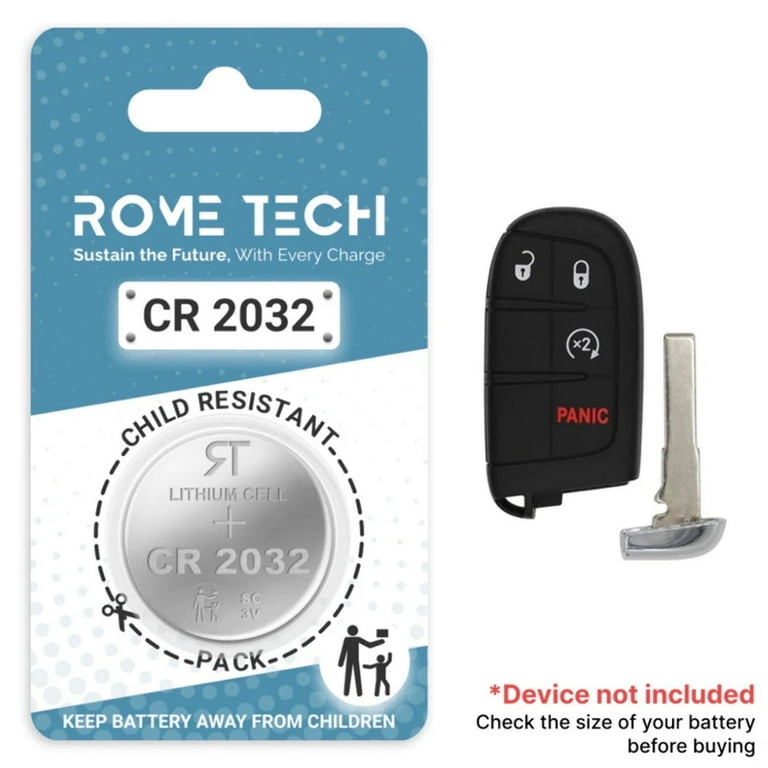
Choosing a quality battery makes a difference. Cheap batteries often fail early.
| Brand | Average Lifespan | Price Range | Warranty |
|---|---|---|---|
| Duracell | 18–24 months | $3–$5 | 5 years |
| Energizer | 18–24 months | $3–$5 | 5 years |
| Generic | 6–12 months | $1–$2 | None |
Choose Duracell or Energizer for reliability.
Common Mistakes To Avoid
- Wrong battery orientation: Placing the battery upside down stops the fob from working.
- Using too much force: Can crack the case or damage internal parts.
- Touching the circuit board: Static electricity can cause problems.
- Buying the wrong battery size: Double-check the type before purchase.
- Not testing the fob after assembly: Always check before finishing.
A non-obvious tip: If your fob doesn’t work after replacement, try cleaning the battery contacts with a dry cloth. Sometimes dirt blocks the connection.
When To Seek Professional Help
If your fob still doesn’t work after replacing the battery, the issue may be deeper:
- Circuit board damage
- Button failure
- Programming error
A professional can diagnose and repair these issues. Jeep dealerships offer key fob repair, but local locksmiths may be cheaper.
Real-world Example
A Jeep Renegade owner reported that after replacing their battery, the fob still didn’t work. The problem? They’d inserted the battery with the + side down. Flipping it fixed the issue immediately. This is a common mistake—always double-check before closing the fob.
Another insight: Some Renegade fobs have a small rubber gasket. If this falls out, the fob can lose water resistance. Make sure to reinstall it during assembly.

Frequently Asked Questions
How Often Should I Replace My Jeep Renegade Key Fob Battery?
Most batteries last 18–24 months with normal use. If you notice reduced range or slow response, replace it sooner.
Can I Use Any Cr2032 Battery In My Renegade Key Fob?
Yes, any quality CR2032 will work. Avoid cheap brands, as they often don’t last as long. Brands like Duracell and Energizer are recommended.
What Should I Do If My Key Fob Still Doesn’t Work After Replacing The Battery?
First, check battery orientation and contact points. If it still fails, the problem may be with the circuit board or programming. Consider visiting a Jeep dealership or locksmith for help.
Is It Safe To Open The Key Fob Myself?
Yes, as long as you use gentle force and avoid touching the internal circuit board. If you’re unsure, watch a video or consult your owner’s manual. For more tips, see this Jeep Owners Guide.
Will Replacing The Battery Erase My Key Fob’s Programming?
No, changing the battery does not affect programming. Your fob will work normally after replacement, as long as the battery is installed correctly.
Replacing your Jeep Renegade key fob battery is quick, cost-effective, and safe. With the right battery and careful steps, your fob will work like new. Take your time, avoid common mistakes, and enjoy reliable access to your vehicle.