If you drive a 2013 Jeep Wrangler, you know how important it is to keep your tires in top shape. That’s where the TPMS sensor comes in—this small device keeps an eye on your tire pressure and alerts you if something’s wrong.
But what happens when your TPMS sensor stops working or needs replacement? You might wonder how to find the right sensor, whether it needs programming, or how much it will cost. You’ll discover everything you need to know about the 2013 Jeep Wrangler TPMS sensor.
By the end, you’ll feel confident maintaining your Wrangler’s tire safety and avoiding costly mistakes. Keep reading to stay safe on every drive.
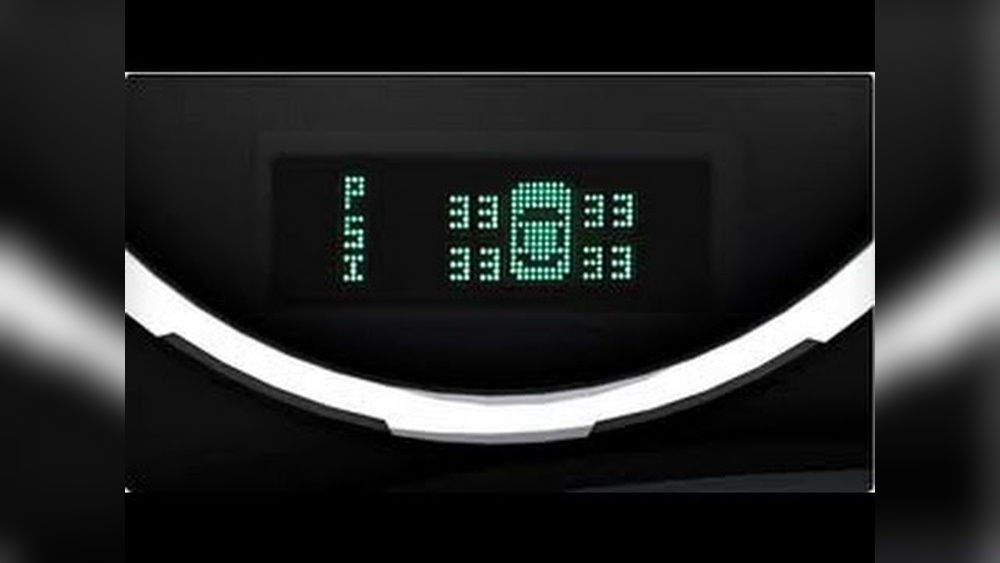
Jeep Wrangler Tpms Basics
The 2013 Jeep Wrangler comes equipped with a Tire Pressure Monitoring System (TPMS). This system helps keep your tires at the right pressure.
Proper tire pressure improves safety and fuel efficiency. Understanding the basics of TPMS can help you spot issues early.
Knowing how it works and where sensors are located makes maintenance easier.
What Tpms Does
TPMS monitors the air pressure in your tires. It alerts you when pressure drops below safe levels.
This warning helps prevent accidents caused by low tire pressure. The system uses sensors to measure pressure inside each tire.
It sends data to your dashboard display. This lets you know if a tire needs air or repair.
Sensor Location On 2013 Models
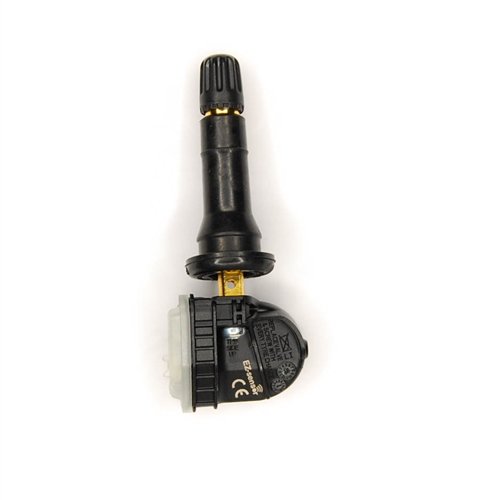
On the 2013 Jeep Wrangler, TPMS sensors are inside each tire. They attach to the valve stem or rim.
These sensors measure tire pressure and temperature. The sensors send information wirelessly to the vehicle’s computer.
They are small and sealed to protect from dirt and moisture. Regular checks ensure they stay in good condition.
Common Tpms Issues
TPMS sensors can fail due to battery loss or damage. A dead sensor battery causes the system to stop working.
Sensors may also get damaged during tire changes. Dirt and corrosion on valve stems cause signal problems.
Sometimes, the system shows false warnings. Proper care and timely sensor replacement keep TPMS reliable.
Signs Of A Faulty Tpms Sensor
Knowing the signs of a faulty TPMS sensor is important for Jeep Wrangler owners. The Tire Pressure Monitoring System (TPMS) helps keep tires at the right pressure.
A failing sensor can cause safety issues and reduce fuel efficiency. Here are common signs to watch for.
Dashboard Warning Lights
The most obvious sign is the TPMS warning light on the dashboard. It may glow yellow or red.
This light stays on even after you check your tire pressure. It means the sensor might be broken or has low battery.
Ignoring this light can lead to unsafe driving conditions.
Inconsistent Tire Pressure Readings
A faulty sensor can send wrong tire pressure data. You might see different numbers for the same tire.
The readings may jump up and down unexpectedly. This makes it hard to know the true pressure.
Accurate readings are key for safe and smooth driving.
Impact On Vehicle Performance
Bad TPMS sensors can affect your Jeep’s handling. Low or uneven tire pressure can cause poor traction and longer braking distances.
Fuel economy may drop as well. Driving with a broken sensor puts more stress on tires and suspension parts.
Diagnosing Tpms Sensor Problems
Diagnosing TPMS sensor problems in a 2013 Jeep Wrangler is crucial for safe driving. The Tire Pressure Monitoring System alerts you when tire pressure is low.
Sometimes, sensors may fail or send false warnings. Identifying these issues early helps avoid tire damage and improves vehicle handling.
Using A Tpms Scanner
A TPMS scanner reads signals from each tire sensor. It shows tire pressure and sensor status.
Connect the scanner near each tire valve to get data. The scanner can detect dead or malfunctioning sensors.
This tool saves time and pinpoints exact problems.
Manual Tire Pressure Checks
Check tire pressure with a reliable gauge regularly. Compare the reading with the recommended pressure in your Jeep’s manual.
Low pressure means the sensor might be working correctly. If the sensor shows low pressure but the gauge reads normal, the sensor may be faulty. Manual checks help confirm sensor accuracy.
When To Visit A Professional
Persistent TPMS warnings need expert attention. A professional can test and replace sensors if needed.
They also reset the TPMS system after repairs. Visit a mechanic if the warning light stays on after checking tires.
Professional service ensures your Jeep’s safety systems work properly.
Replacing The Tpms Sensor
Replacing the TPMS sensor in a 2013 Jeep Wrangler ensures accurate tire pressure readings. A faulty sensor can cause warning lights to stay on.
This affects safety and fuel efficiency. Knowing how to replace the sensor can save time and money.
The process requires some basic tools and careful steps.
Choosing The Right Replacement Sensor
Select a sensor compatible with the 2013 Jeep Wrangler model. OEM sensors match factory specifications for best performance. Aftermarket sensors can be cheaper but vary in quality. Check product reviews and ratings before purchase. Ensure the sensor supports the Wrangler’s tire size and pressure range.
Tools Needed For Replacement
Gather these tools before starting the replacement:
- Tire iron or lug wrench
- Jack and jack stands
- Valve core removal tool
- Torque wrench
- TPMS programming tool (if required)
- Safety gloves and glasses
Step-by-step Replacement Process
Begin by loosening the lug nuts on the tire. Use the jack to lift the vehicle safely.
Remove the tire from the wheel hub. Deflate the tire completely by removing the valve core.
Break the tire bead from the rim edge carefully. Remove the old TPMS sensor from the valve stem.
Install the new sensor on the valve stem securely. Re-seat the tire bead onto the rim.
Inflate the tire to the recommended pressure. Tighten the lug nuts in a star pattern using a torque wrench.
Program the new sensor with a TPMS tool if needed. Test drive the vehicle to confirm the warning light turns off.
Programming And Resetting Tpms
Programming and resetting the TPMS (Tire Pressure Monitoring System) on a 2013 Jeep Wrangler ensures the sensors work correctly. Properly programmed sensors help maintain safe tire pressure and improve vehicle performance.
Resetting the system clears errors and updates the system after tire changes or sensor replacements.
Do Tpms Sensors Need Programming?
Yes, TPMS sensors often require programming. The 2013 Jeep Wrangler uses sensors that must be matched to the vehicle’s system.
This step ensures the sensors communicate pressure data correctly. Many replacement sensors come pre-programmed, but some may need manual programming.
Programming is necessary after installing new sensors or changing wheels. Without programming, the TPMS light may stay on or show incorrect readings.
How To Reset Tpms On 2013 Jeep Wrangler
Resetting the TPMS on a 2013 Jeep Wrangler is simple. Start the engine and let it run.
Locate the TPMS reset button, usually under the steering wheel. Press and hold the button until the TPMS light blinks three times.
Release the button and wait for the light to turn off. Drive the vehicle for 10 to 15 minutes at speeds above 20 mph.
The system will recalibrate and update the sensor readings automatically.
Common Programming Issues
Programming problems can occur with TPMS sensors. One common issue is using incompatible sensors not designed for the Jeep Wrangler.
Another problem is weak or dead sensor batteries that prevent communication. Errors may also arise if the vehicle’s computer needs a software update.
Incorrect sensor placement can cause false alerts. Professional tools and knowledge often solve these problems quickly.
Cost And Where To Buy Tpms Sensors
The 2013 Jeep Wrangler TPMS sensor is a vital part of your vehicle’s safety system. Knowing the cost and where to buy these sensors helps you maintain proper tire pressure.
Prices vary based on sensor type, brand, and purchase location. Choosing the right sensor ensures reliable performance and safety.
Below, we explore price ranges, shopping options, and sensor types for your Jeep Wrangler.
Price Ranges And Brands
TPMS sensor prices for the 2013 Jeep Wrangler range from $18 to over $100. Budget-friendly options start near $18.
Mid-range sensors cost around $40 to $70. Premium sensors and OEM parts can reach $100 or more.
Popular brands include Omix-ADA, Dorman, and Revolution. Some brands specialize in durable aftermarket sensors. Others focus on exact OEM replacements.
Online Vs Local Auto Parts Stores
Buying TPMS sensors online offers a wider selection and often better prices. Websites like Amazon, ExtremeTerrain, and PartsGeek provide many options.
Shipping is usually fast and convenient. Local auto parts stores like O’Reilly and AutoZone give instant access.
You can get help from staff and avoid shipping delays. Both options have benefits depending on your needs and urgency.
Oem Vs Aftermarket Sensors
OEM sensors match the original parts exactly. They guarantee perfect fit and compatibility.
These sensors tend to cost more. Aftermarket sensors cost less and offer many choices.
Quality varies, so check reviews before buying. Some aftermarket sensors fit well and work reliably.
Others may need programming or adjustments. Choose based on budget and whether you prefer factory-grade parts.
Maintenance Tips For Tpms Sensors
The 2013 Jeep Wrangler TPMS sensor helps monitor your tire pressure constantly. Keeping these sensors in good shape ensures accurate readings.
Proper maintenance avoids sensor failure and costly repairs. Follow these tips to extend your TPMS sensor life and keep your Jeep safe on the road.
Preventing Sensor Damage
Handle tires carefully during changes or repairs. Avoid hitting sensors with tools or mounting machines.
Use protective valve caps to shield sensors from dirt and moisture. Keep sensors clean and dry to prevent corrosion.
Always check sensor condition after tire service to catch damage early.
Battery Life Expectations
TPMS sensors usually have batteries lasting 5 to 10 years. Battery life depends on usage and environmental conditions.
Replace sensors once the battery is low or dead. Dead batteries cause the sensor to stop sending data.
Schedule sensor replacement during tire rotations or repairs to save time.
Regular Tire Pressure Checks
Check tire pressure at least once a month or before long trips. Use a reliable gauge to confirm sensor readings.
Low tire pressure can damage sensors and reduce fuel efficiency. Properly inflated tires improve safety and extend sensor life.
Reset the TPMS system after adjusting tire pressure to maintain accuracy.

Frequently Asked Questions
Do Jeep Tpms Sensors Need To Be Programmed?
Jeep TPMS sensors usually require programming to sync with the vehicle’s system. Programming ensures accurate tire pressure readings.
Some direct-fit sensors may not need programming but still require relearn procedures. Use a TPMS tool or visit a dealer to program or relearn new sensors properly.
How Do You Reset The Tpms On A 2013 Jeep Wrangler?
To reset the TPMS on a 2013 Jeep Wrangler, turn the ignition to ON without starting. Press and hold the TPMS button until the tire pressure light blinks three times.
Release the button. Drive the vehicle for 10 minutes above 25 mph to complete the reset.
What Is The Tpms Recall On Jeep Wranglers?
The TPMS recall on Jeep Wranglers involves faulty tire pressure sensors that may cause inaccurate readings. Jeep offers free sensor replacements to fix this safety issue.
Can I Still Drive If My Tpms Sensor Is Bad?
You can drive with a bad TPMS sensor, but tire pressure won’t be monitored accurately. Fix it promptly for safety.
Conclusion
The 2013 Jeep Wrangler TPMS sensor plays a key role in vehicle safety. It helps monitor tire pressure for a smoother ride.
Replacing a faulty sensor keeps your Jeep running well. Sensors come in various prices and quality levels.
Choose a sensor that fits your budget and needs.
Properly working TPMS sensors can prevent accidents and improve fuel efficiency. Stay alert to warning signs and fix issues promptly.
This simple maintenance step protects your Jeep and passengers on every trip.