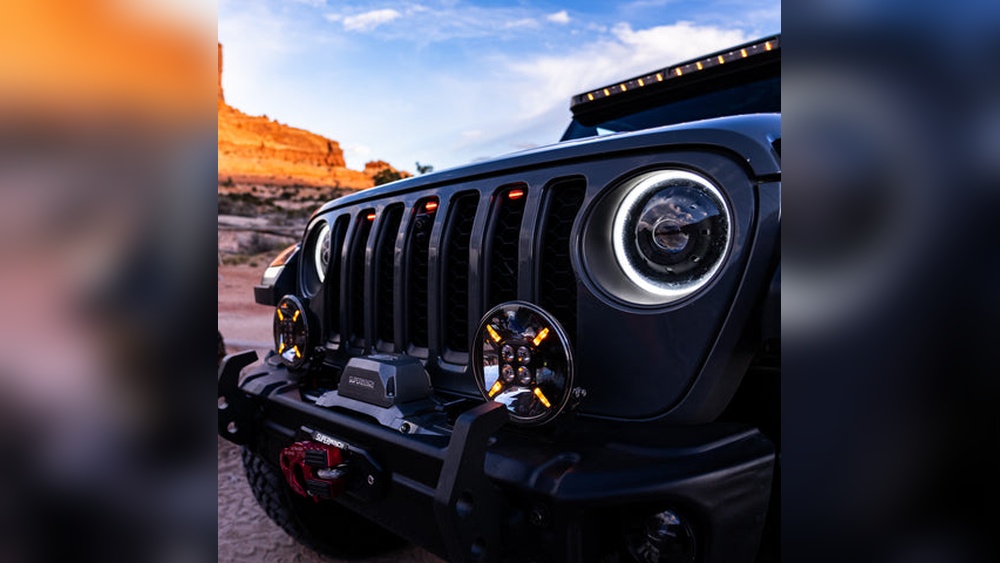
Adjusting Jeep JK LED headlights is a simple process, but doing it right makes a big difference in safety and driving comfort. Poorly aimed headlights can blind other drivers or reduce your own visibility at night. If you have upgraded to LED headlights on your Jeep JK (2007-2018), you need to make sure they are set to the correct angle. This guide will walk you through every step, highlight common mistakes, and provide practical tips for a perfect alignment.
Why Proper Headlight Adjustment Matters
When your headlights are not adjusted correctly, you face two main problems. First, lights set too high can glare into oncoming traffic, which is dangerous and illegal in many places. Second, if the beam is too low, you cannot see obstacles in time, especially on dark roads. Modern LED headlights are brighter than factory halogens, which makes proper alignment even more important.
Tools And Preparation
Before you start, gather these simple tools:
- Phillips screwdriver (or Torx driver, depending on your headlight model)
- Measuring tape
- Masking tape
- Level surface (garage floor or flat driveway)
- Blank wall or garage door (at least 25 feet of clear space in front)
Make sure your Jeep is half full of gas and has average weight inside. Remove any heavy cargo you do not usually carry. Check your tire pressure, as uneven tires can change headlight angle.

Step-by-step Headlight Adjustment
1. Find A Level Spot
Park your Jeep JK on a flat surface, facing a wall about 25 feet away. The distance is important for accuracy. Turn off the engine but keep the battery on so you can use the headlights.
2. Mark The Headlight Centers
Turn on your low beams. Use masking tape to mark the center of each headlight beam on the wall. The brightest part of the beam is your reference point.
- Measure the height from the ground to the center of your headlight (on your Jeep).
- Mark this same height on the wall with horizontal tape at both beam centers.
3. Check Factory Specs
Jeep recommends that the top of the most intense beam should be 2 to 4 inches lower than the headlight center height at 25 feet. This ensures the beam points downward enough to avoid dazzling others.
| Vehicle Distance from Wall | Headlight Center Height | Beam Drop on Wall |
|---|---|---|
| 25 feet | 36 inches | 32–34 inches |
| 25 feet | 40 inches | 36–38 inches |
4. Adjust The Vertical Aim
Open your Jeep’s hood. Locate the vertical adjustment screw—usually at the top or side of the headlight housing. Turn it slowly:
- Clockwise to raise the beam
- Counterclockwise to lower the beam
Make small adjustments, checking the wall each time. The top cut-off of the beam should sit just at or below the tape line you marked (2-4 inches lower than headlight center).
5. Adjust The Horizontal Aim
Not all Jeep JK headlights offer horizontal adjustment, but many LED upgrades do. If your headlight has a side screw, use it to move the beam left or right. The brightest part of the beam should align with the vertical tape mark for each headlight.
6. Test Your Work
Once adjusted, take your Jeep for a short night drive. Notice if the road is well lit and if oncoming drivers flash their lights (a sign your beams are too high). Readjust if needed.
Common Mistakes To Avoid
1. Skipping the Flat Surface: Always use a level driveway or garage floor. Sloped surfaces give false readings.
2. Ignoring Tire Pressure: Low tires can tilt your Jeep and misalign the beams.
3. Rushing the Process: Adjust in small steps and check after each turn. Big changes can make things worse.
4. Forgetting Real-World Testing: Test on the road, as wall adjustments don’t always match driving conditions.
Tips For Better Results
- Adjust with the Jeep loaded as you usually drive (including tools or gear).
- Use new, clean tape marks for accuracy every time you adjust.
- If you swap LED brands, re-check alignment. Different designs have different beam patterns.
- Check alignment every six months or after off-roading.
Led Vs. Halogen Headlight Adjustment
LED headlights create a sharper cutoff line than halogens. This means aiming is more precise, but mistakes are easier to notice. Here’s a quick comparison:
| Feature | Halogen | LED |
|---|---|---|
| Brightness | Lower | Much brighter |
| Cutoff Line | Softer | Sharp, defined |
| Adjustment Sensitivity | Forgiving | Precise |

What To Do If You Can’t Get It Right
If you follow all steps but still can’t get your LED headlights to align, there may be a problem with the headlight housing or the LED bulbs themselves. Some cheaper LED kits do not fit properly in stock housings, leading to odd beam patterns. In that case, check your installation, try a different brand, or consult a professional.
Legal Considerations
Regulations for headlight aim can vary by state or country. Always check local laws to avoid fines or inspection failures. Properly aimed lights protect everyone on the road.
For more details on headlight regulations and standards, visit the official NHTSA site.

Frequently Asked Questions
How Often Should I Check My Jeep Jk Led Headlight Alignment?
Check every 6 months, after heavy off-roading, or if you notice poor visibility or other drivers flashing their lights.
Can I Adjust My Headlights With A Full Tank And Passengers?
Yes, adjust the headlights with your usual load. This gives the most accurate results for daily driving.
Is It Possible To Over-tighten The Adjustment Screws?
Yes. Over-tightening can strip the plastic housing or misalign the headlight. Always turn gently and never force the screws.
Why Are My Led Headlights Aimed Differently After A Bulb Change?
LED bulbs may have different mounting points or sizes. Even a small change can affect beam pattern, so always re-check alignment after installation.
Are Aftermarket Led Headlights Legal On The Jeep Jk?
Most are legal if they meet DOT standards and are aimed correctly. Check your local laws, as some areas have specific rules for aftermarket lights.
Properly adjusted LED headlights on your Jeep JK not only improve your safety but also respect others on the road. Take a little time to aim them well—you’ll notice the difference every time you drive at night.