If you’re driving your 2017 Jeep Wrangler and suddenly see the traction control light come on, it can be confusing and even a little alarming. You might wonder what’s causing it, if your Jeep is safe to drive, or how much it might cost to fix.
The truth is, this warning light isn’t just a random glitch—it’s your Jeep’s way of telling you something needs attention. Whether it’s a dirty wheel speed sensor, low brake fluid, or an alignment problem, knowing what triggers that light can save you time, money, and stress.
You’ll discover the common reasons why the traction control light comes on and simple steps you can take to get your Wrangler back on track. Keep reading to make sure you’re not missing anything important for your Jeep’s safety and performance.
Traction Control Light Basics
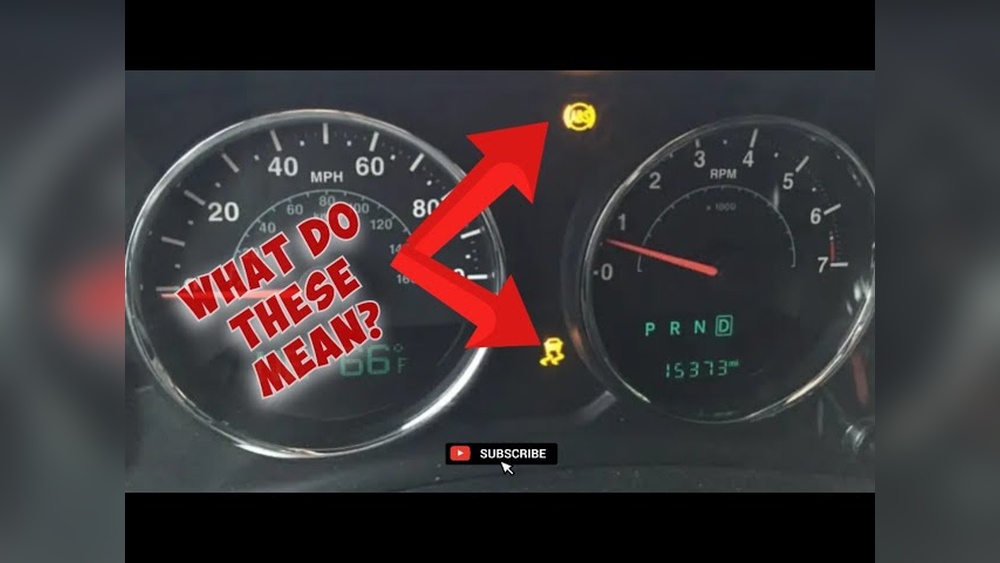
The traction control system in your 2017 Jeep Wrangler helps keep the vehicle stable on slippery roads. The traction control light on the dashboard informs you about the system’s status. Understanding this light is key to safe driving and vehicle care.
This section covers the basics of the traction control light. Learn what it means and recognize common warning signs. This knowledge helps you respond properly and avoid bigger issues.
What The Light Means
The traction control light turns on when the system is active. It blinks during slippery conditions to show it is working. If the light stays on, it signals a problem with the system.
This problem could be a sensor issue or an electrical fault. The system uses wheel speed sensors to detect loss of traction. Any malfunction in these sensors can trigger the light.
Sometimes, low brake fluid or battery issues cause the light to stay on. It’s important to check these areas if the light appears unexpectedly.
Common Warning Signs
The traction control light may come on along with the ABS or brake warning lights. This often indicates a sensor covered in dirt or damaged. Mud, brake dust, or leaking grease can block sensors and cause errors.
A loose or failing battery can also cause the light to turn on. Voltage drops confuse the system and trigger warnings. Steering wheel misalignment may also trip the traction control light.
Regular checks of wheel sensors, brake fluid, and battery health help prevent these issues. Cleaning sensors and fixing leaks can often clear the warning light. Proper maintenance keeps the traction system working well.
Frequent Causes
The traction control light on a 2017 Jeep Wrangler can turn on for several common reasons. Knowing these frequent causes helps diagnose the problem quickly. The light often signals issues in the vehicle’s safety and control systems. Each cause affects how the traction control system works.
Faulty Wheel Speed Sensors
Wheel speed sensors monitor the rotation of each wheel. Dirt, mud, or grease can cover these sensors. This coverage causes false readings or sensor failure. A damaged sensor sends wrong signals to the traction control system. This triggers the traction control light on the dashboard.
Low Brake Fluid Levels
Brake fluid is essential for proper braking and traction control. Low brake fluid can activate the traction control warning. It often pairs with the ABS warning light. Leaks or worn brake pads can reduce fluid levels. Checking and refilling brake fluid solves this issue.
Battery And Voltage Issues
A weak battery or loose battery terminals cause voltage drops. These drops confuse the vehicle’s electronic systems. The traction control system may receive false error signals. This causes the traction control light to stay on. Ensuring a healthy battery and tight connections helps fix this.
Steering Wheel Misalignment
Steering wheel misalignment can trigger the traction control warning. Even small misalignments confuse the sensors. The vehicle thinks it is slipping or losing control. Proper wheel alignment resets the sensors and turns off the light.
Tire Pressure Problems
Uneven or low tire pressure affects traction and sensor readings. The traction control system relies on stable tire pressure for accuracy. Low pressure or mismatched tires cause the light to come on. Regularly checking and maintaining tire pressure prevents this problem.
Diagnostic Steps
Diagnosing the 2017 Jeep Wrangler traction control light requires a clear, step-by-step approach. This process helps find the exact cause of the warning. It saves time and avoids unnecessary repairs. Focused diagnostics improve safety and keep the Jeep running smoothly.
Visual Inspection Tips
Start by checking the wheels and undercarriage. Look for mud, grease, or brake dust on the wheel speed sensors. Inspect the sensor wires for damage or loose connections. Also, check for leaking axle seals near the wheels. Clean any dirt or grime carefully to avoid sensor issues.
Using A Scan Tool
Use an OBD-II scan tool to read error codes from the vehicle’s computer. This device shows specific sensor faults or system problems. It points directly to the failing part or system. A scan tool saves guesswork and helps pinpoint the cause quickly. Clear codes after repair to verify the fix.
Checking Wheel Speed Sensors
Wheel speed sensors send data to the traction control system. Dirt or damage can cause false readings. Remove the wheel and clean the sensor with brake cleaner. Test the sensor with a multimeter for electrical faults. Replace sensors that fail the test or are physically damaged.
Inspecting Brake Fluid And Battery
Low brake fluid levels often trigger traction control warnings. Check the brake fluid reservoir and refill if needed. Also, test the battery voltage and terminal connections. Weak batteries or loose terminals cause electrical issues. Secure connections and charge or replace the battery if necessary.

Quick Fixes
The traction control light on a 2017 Jeep Wrangler can signal different issues. Quick fixes often solve the problem without costly repairs. Simple checks and maintenance help keep the system working well. Below are easy steps to try before visiting a mechanic.
Cleaning Wheel Speed Sensors
Wheel speed sensors detect how fast each wheel turns. Dirt, mud, or brake dust can cover these sensors. This causes wrong readings and triggers the traction control light. To fix this, lift the Jeep and locate the sensors near each wheel hub. Use brake cleaner and a soft cloth to gently remove grime. Cleaning sensors often clears the light and restores proper function.
Replacing Faulty Sensors
Sometimes, cleaning is not enough. Sensors can fail due to wear or damage. If the light stays on after cleaning, test each sensor with a scanner tool. A faulty sensor needs replacement to fix the traction control system. Installing a new sensor restores accurate wheel speed data and turns off the warning light.
Refilling Brake Fluid
Low brake fluid can cause the traction control light to come on. The system relies on brake fluid pressure to work correctly. Check the brake fluid reservoir under the hood. If the level is low, add the recommended type of brake fluid. Keep the fluid at the proper level to prevent system errors and maintain safe braking.
Securing Battery Connections
Loose or corroded battery terminals cause voltage drops. This can trigger false traction control warnings. Inspect the battery connections for tightness and cleanliness. Clean any corrosion with a battery terminal cleaner or baking soda solution. Tighten the terminals firmly. Good battery connections help keep the traction control system stable.
Adjusting Wheel Alignment
Misaligned wheels affect traction control sensors. Small alignment errors can activate the warning light. Check the Jeep’s wheel alignment using a professional service or alignment tool. Correcting the alignment ensures sensors read wheel speed properly. Proper alignment improves handling and prevents traction control errors.
Resetting The Traction Control Light
The traction control light on your 2017 Jeep Wrangler may turn on due to various reasons. Resetting this light can help clear minor glitches and restore normal function. There are different ways to reset the traction control light, depending on the cause and the tools available. Follow these simple steps to reset the light safely and effectively.
Manual Reset Methods
Start by turning off the engine and removing the key. Wait for a few minutes to let the system reset. Then, restart the Jeep and check if the light turns off.
Another way is to press the traction control button. Hold it for about 10 seconds until the light blinks or goes off. This action disables and re-enables the system, sometimes clearing errors.
Disconnecting the battery for a few minutes can also reset the vehicle’s electronics. Make sure you have your radio and clock settings saved, as they may reset.
Using Diagnostic Tools
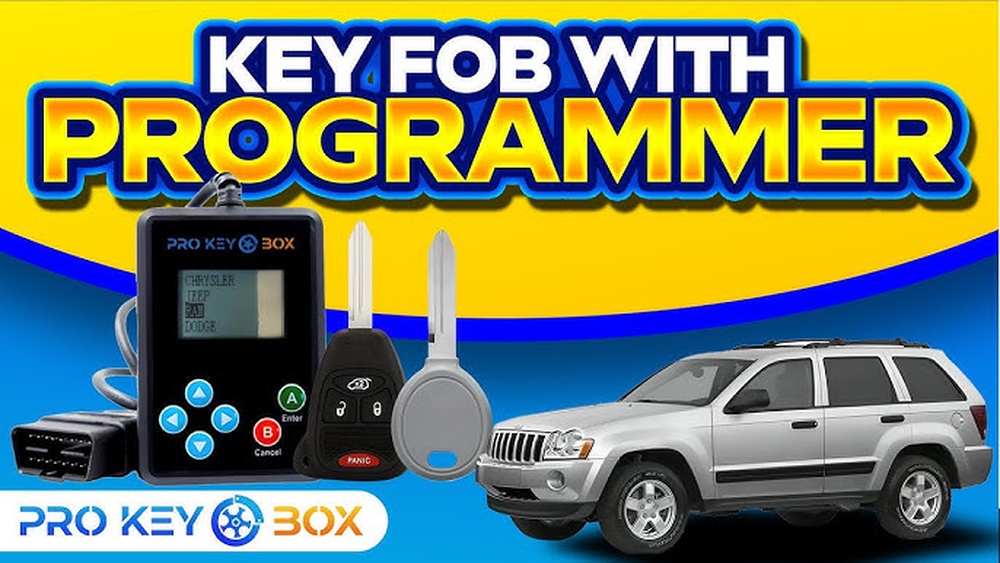
Use an OBD-II scanner to read and clear error codes from the Jeep’s computer. These tools connect to the Jeep’s port under the dashboard.
Once connected, scan for traction control-related codes. After noting the codes, choose the option to clear or reset them. This step often turns off the traction control light.
Some advanced scanners provide real-time data. This helps identify sensor issues or other faults causing the light to stay on.
When To Seek Professional Help
If the traction control light remains on after resets, the problem may be serious. Faulty wheel speed sensors, brake issues, or wiring faults need expert diagnosis.
Professional mechanics have specialized equipment to test and fix complex problems. They can safely repair or replace parts to restore full traction control function.
Ignoring a persistent traction control light can lead to unsafe driving conditions. Get professional help to keep your Jeep safe and reliable.
Preventive Tips
Preventing the traction control light from turning on in your 2017 Jeep Wrangler helps avoid sudden issues. Following simple steps keeps the system working well. Regular care can save time and money on repairs. Here are some key tips to maintain your vehicle’s traction control system.
Regular Vehicle Maintenance
Keep your Jeep on a regular maintenance schedule. Check brakes, suspension, and wheel alignment often. Worn or damaged parts can trigger the traction control light. Replace brake pads and fluids as recommended. Regular checkups catch problems early. This helps maintain safe driving conditions.
Keeping Sensors Clean
Wheel speed sensors are vital for traction control. Dirt, mud, or grease can cover these sensors. Dirty sensors send wrong signals to the system. Clean sensors with brake cleaner when needed. Inspect sensors after off-road trips. Clean sensors help the system work correctly and avoid false warnings.
Monitoring Tire Pressure
Proper tire pressure is crucial for traction control. Check tire pressure monthly using a gauge. Underinflated or overinflated tires can cause the light to come on. Keep all tires at the manufacturer’s recommended pressure. Balanced tires improve system accuracy and vehicle handling.
Battery Care
A weak or failing battery affects traction control. Low voltage can cause the system to malfunction. Test your battery regularly and replace if needed. Ensure battery terminals are tight and free of corrosion. Good battery health supports all electrical components and sensors.
Cost Considerations
Understanding the cost factors related to the 2017 Jeep Wrangler traction control light is vital. Repair expenses can vary widely based on the root cause. Budgeting wisely helps avoid surprises during the repair process.
Some issues require simple fixes, while others involve more expensive parts and labor. Knowing the typical costs for sensors, fluids, and diagnostics can guide your decisions effectively.
Sensor Replacement Expenses
Wheel speed sensors often cause traction control lights to activate. Replacing a faulty sensor usually costs between $150 and $300. The price depends on the sensor brand and labor charges. Timely replacement prevents further damage and improves safety.
Brake Fluid And Battery Costs
Low brake fluid can trigger the traction control warning. A brake fluid top-up or flush costs about $70 to $120. Battery issues, including replacement, range from $100 to $200. Maintaining proper fluid levels and battery health reduces unexpected expenses.
Professional Diagnostic Fees
Technicians use diagnostic tools to identify traction control problems. Diagnostic fees typically fall between $80 and $150. This step helps pinpoint exact issues before repairs start. Investing in diagnostics saves money by avoiding unnecessary part replacements.

Frequently Asked Questions
What Causes A Jeep Traction Control Light To Come On?
A Jeep traction control light comes on due to faulty wheel-speed sensors, low tire pressure, damaged wiring, or electronic control unit issues.
What Causes Traction Control Light To Come On Randomly?
The traction control light may come on randomly due to faulty wheel speed sensors, low brake fluid, misaligned wheels, or electrical issues. Dirt or debris on sensors and loose battery connections can also trigger the light. Regular maintenance helps prevent false warnings.
How To Reset Jeep Traction Control Light?
To reset the Jeep traction control light, turn off the engine, disconnect the battery for 15 minutes, then reconnect it. Drive normally to recalibrate.
How Much Does It Cost To Replace The Abs Module On A Jeep Wrangler?
Replacing the ABS module on a Jeep Wrangler costs between $400 and $900. Labor and parts prices vary by location.
Conclusion
The 2017 Jeep Wrangler traction control light signals a system issue. Common causes include dirty or damaged wheel speed sensors, low brake fluid, or battery problems. Checking and cleaning sensors often solves the problem. Also, ensure proper wheel alignment and inspect for leaks.
Addressing these issues early keeps your Jeep safe and running smoothly. Regular maintenance prevents unexpected light warnings. Stay attentive to your dashboard and act promptly. Your Jeep will thank you with better performance and reliability.