Disassembling a spark plug is a task many car owners and mechanics face, especially when diagnosing engine problems or trying to clean the plug. While most people simply replace spark plugs, understanding how to take one apart can reveal hidden issues like carbon buildup or electrode wear.
This guide will walk you through the process step by step, explain the tools you need, and highlight key safety tips. If you’re curious about how spark plugs function or want to improve your skills, this article will help you get started.
Understanding Spark Plug Structure
Before starting, it’s important to know the parts of a spark plug. A typical plug has:
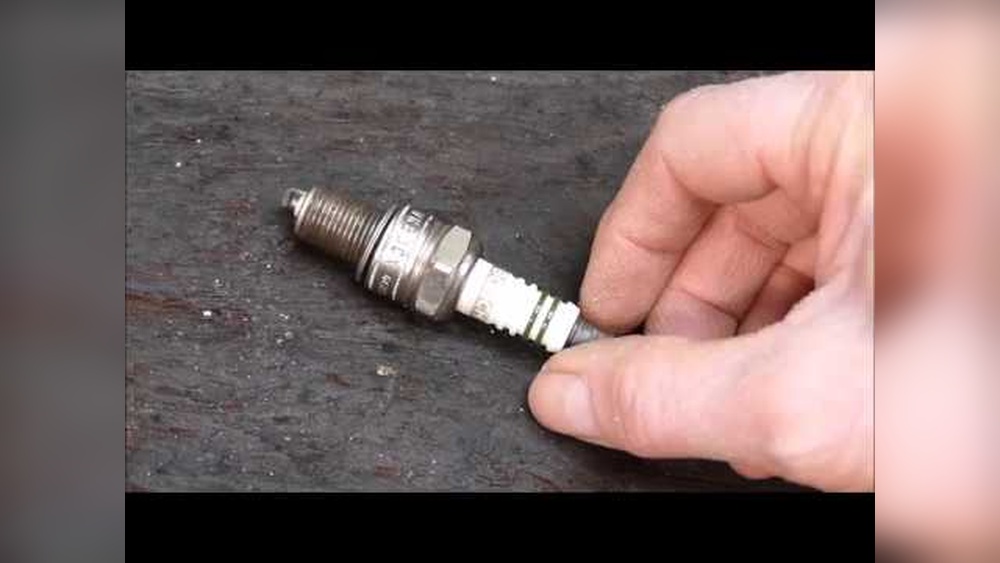
- The terminal (top, connects to ignition wire)
- The insulator (ceramic, protects and isolates)
- The metal shell (threads into engine)
- The center electrode (conducts spark)
- The ground electrode (side, provides gap for spark)
Each piece plays a unique role in creating the spark that ignites fuel in your engine.
| Component | Material | Function |
|---|---|---|
| Insulator | Ceramic | Electrical isolation |
| Center Electrode | Copper/Nickel | Spark conduction |
| Ground Electrode | Steel/Platinum | Spark gap |
| Shell | Steel | Mechanical support |
| Terminal | Nickel alloy | Electrical connection |
Essential Tools And Preparation
Disassembling a spark plug requires specific tools. Using the wrong tools can easily damage parts, so prepare carefully:
- Spark plug socket: Special socket with rubber insert to grip plug.
- Ratchet wrench: For turning socket.
- Needle-nose pliers: Useful for handling small parts.
- Bench vise: Holds plug steady.
- Small flat screwdriver: For prying components.
- Safety goggles and gloves: Protects eyes and hands.
Choose a clean, well-lit workspace. Dirt can damage the plug or enter the engine if you reassemble.
| Tool | Purpose |
|---|---|
| Socket & Ratchet | Remove plug from engine |
| Pliers | Handle small parts |
| Vise | Hold plug securely |
| Screwdriver | Separate components |

Step-by-step Disassembly Process
Follow these steps to safely take apart a spark plug:
1. Remove The Spark Plug
- Let the engine cool completely.
- Use the spark plug socket and ratchet to turn counterclockwise and remove the plug.
- Inspect for oil or carbon deposits as you pull it out.
2. Secure The Plug
- Place the spark plug in a bench vise, holding the metal shell firmly.
- Don’t over-tighten; the ceramic insulator can crack.
3. Separate The Terminal
- Use needle-nose pliers to gently pull off the terminal cap.
- Some terminals screw on; others snap. Check for resistance.
4. Remove The Insulator
- Insert a flat screwdriver between the insulator and shell.
- Twist gently to break the seal. Older plugs may have a strong bond.
- If stuck, tap lightly with a small hammer.
5. Access Electrodes
- Once the insulator is out, the center electrode is visible.
- Pull the electrode out using pliers; it may require force.
- Inspect for corrosion or wear.
6. Detach Ground Electrode
- The ground electrode is welded to the shell.
- Use a file or Dremel tool to cut the weld if you need full separation (optional for deep inspection).
7. Inspect And Clean Parts
- Examine each component for carbon buildup, cracks, or pitting.
- Clean parts with a wire brush or compressed air if you plan to reuse.
| Step | Time (minutes) | Difficulty (1-5) |
|---|---|---|
| Remove plug | 2 | 2 |
| Secure in vise | 1 | 1 |
| Separate terminal | 1 | 2 |
| Remove insulator | 3 | 4 |
| Access electrodes | 2 | 3 |
| Detach ground electrode | 5 | 5 |
| Inspect/Clean | 4 | 2 |
Common Mistakes And Extra Tips
Many beginners damage spark plugs by over-tightening in the vise or using too much force. Ceramic is brittle and cracks easily. Always wear safety goggles; chips can fly off during disassembly.
Another mistake is not checking the plug’s condition before disassembly. A plug covered in oil or with a melted electrode may point to larger engine issues. Document what you see—take photos for later comparison.
If you plan to reuse, avoid touching the electrodes with oily fingers. Oil can disrupt the spark.
A less obvious tip: When separating the insulator, rotate rather than pry. This reduces breakage. Most plugs are not designed for reassembly, so disassemble only if you want to study or salvage parts.

When Should You Disassemble A Spark Plug?
Disassembly is useful if:
- You want to diagnose engine problems (like misfires)
- You’re cleaning a rare or expensive plug
- You need to check for hidden defects
- You’re curious about how spark plugs work internally
For most routine maintenance, simply replace the plug. Modern plugs are affordable and reliable, but some high-performance or specialty plugs can cost $20–$50 each.
Real-world Example
A mechanic noticed repeated misfiring in a 2014 Ford F-150. The plug looked normal outside, but after disassembly, he found a cracked insulator inside. Replacing only the external parts would not have fixed the issue. This shows why deep inspection can sometimes solve tricky problems.
For more technical details about spark plug components, see Wikipedia.
Frequently Asked Questions
How Long Does It Take To Disassemble A Spark Plug?
Usually, it takes 10–15 minutes for a single plug if you have all tools ready. Older plugs or stubborn parts can add extra time.
Can I Reassemble A Spark Plug After Taking It Apart?
Most spark plugs are not designed for reassembly. Once the insulator is removed, it’s difficult to restore the original tight seal. Using a disassembled plug in your engine is not safe.
Is It Safe To Disassemble A Spark Plug At Home?
Yes, if you use the right tools and follow safety rules. Wear goggles and gloves and work in a clean area. Avoid using excessive force.
What Problems Can I Find By Disassembling A Spark Plug?
You can spot hidden cracks, internal corrosion, melted electrodes, or carbon deposits. These issues often explain misfires, rough idling, or poor fuel economy.
Are All Spark Plugs Built The Same Way?
Most plugs share basic parts, but some high-performance or platinum plugs have extra layers or special coatings. Always check the plug’s manual or manufacturer info before disassembling.
Disassembling a spark plug is not a common task, but it can reveal important details about engine health. With careful steps and the right tools, you can safely examine the inner parts and learn more about your vehicle. If you’re unsure, consult a professional mechanic.
Understanding this process will give you deeper insight into engine maintenance and performance.