If your Jeep’s check engine light is flashing and your car is shaking, you’re facing a serious warning. This isn’t a minor issue you can ignore or delay fixing.
When these two symptoms happen together, it usually means your engine is misfiring — a condition that can cause long-term damage if left untreated. You might feel the car shuddering or notice a rough idle, and that flashing light is your Jeep’s way of telling you something is wrong under the hood.
But what exactly causes this, and what should you do next? Keep reading to understand why your Jeep is shaking, what the flashing check engine light really means, and how to handle this problem before it turns into a costly repair or a safety hazard.
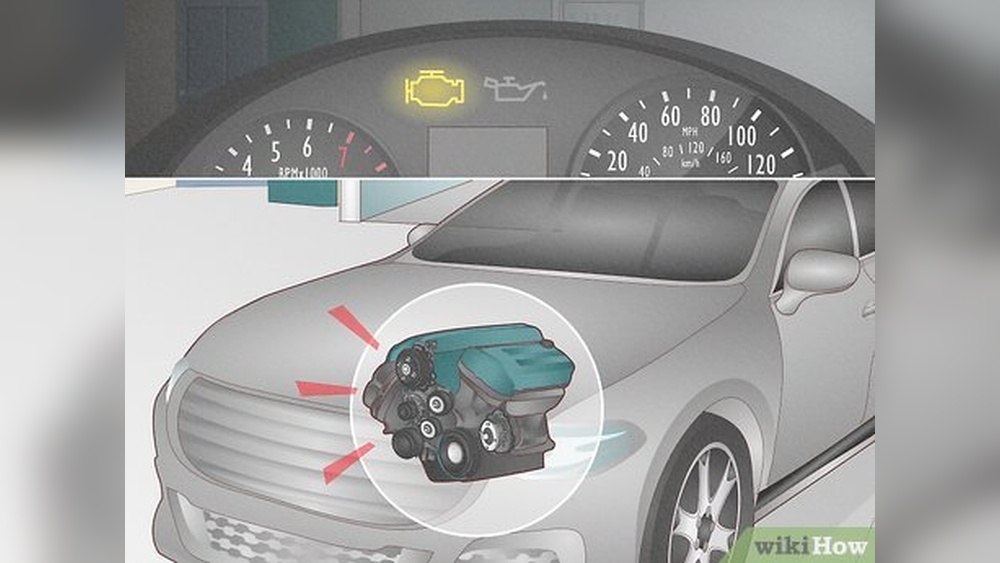

Signs Of Trouble
A flashing check engine light paired with your Jeep shaking signals a serious problem. This is not a minor issue to ignore. It often means your engine is misfiring, which can damage your vehicle quickly.
Recognizing the signs early helps avoid costly repairs. Pay close attention to how your Jeep behaves. Notice any unusual vibrations or warning lights.
Flashing Check Engine Light
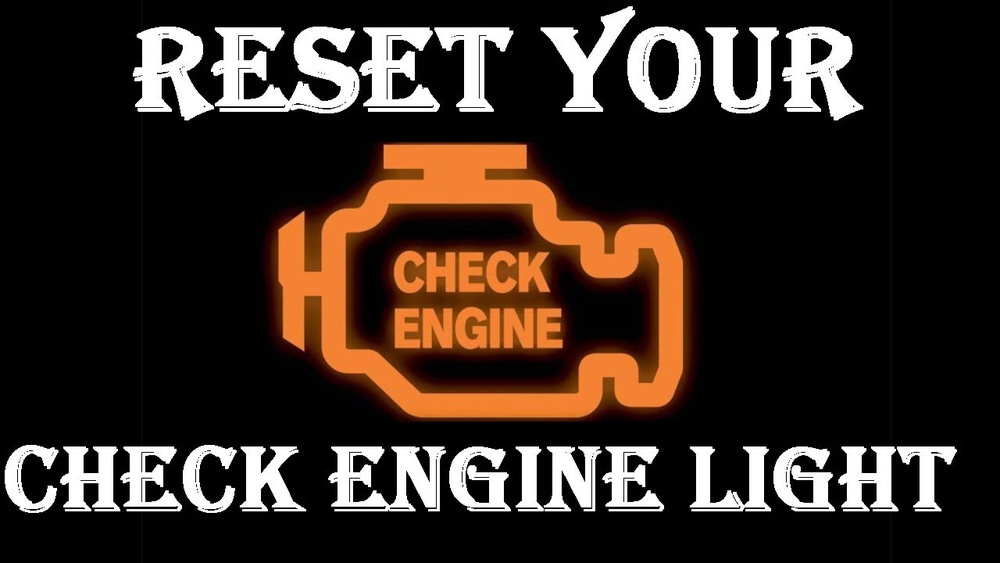
A flashing check engine light is a clear alert. It shows the engine control unit detected a severe misfire. This misfire can harm your catalytic converter if not fixed fast. The light flashing means immediate attention is needed, unlike a steady light.
Car Shaking And Vibrations
Shaking or vibrations while driving your Jeep often link to engine misfires. The engine struggles to run smoothly when one or more cylinders fail to fire properly. This causes rough idling and shaking felt inside the cabin. The intensity of shaking can increase with speed or engine load.
Common Warning Symptoms
Other signs may include poor acceleration, stalling, or strange noises from the engine. You might notice decreased fuel efficiency or a rough idle. These symptoms usually appear with the flashing light and shaking. They all point to a need for prompt diagnosis and repair.
Engine Misfire Causes
A flashing check engine light paired with car shaking usually means an engine misfire. An engine misfire happens when one or more cylinders fail to fire properly. This issue can cause rough running, poor fuel economy, and increased emissions. Understanding the main causes helps in identifying the problem quickly and preventing further damage.
Faulty Spark Plugs And Coil Packs
Spark plugs create the spark needed to ignite the fuel-air mixture. Worn or damaged spark plugs can cause weak or no spark. Coil packs send electrical power to the spark plugs. A cracked or broken coil pack disrupts this power flow. Faulty spark plugs or coil packs often lead to misfires and engine shaking.
Bad Fuel Injectors
Fuel injectors deliver fuel into the engine cylinders. A clogged or malfunctioning injector can block fuel flow. This causes an uneven fuel supply and misfires. Dirty injectors also reduce engine performance and cause rough idling. Regular maintenance helps keep fuel injectors clean and working well.
Sensor Malfunctions
Several sensors monitor engine conditions and adjust fuel and ignition timing. A faulty oxygen sensor, mass airflow sensor, or crankshaft position sensor can send wrong data. This misleads the engine control unit and causes misfires. Sensor problems often trigger the check engine light to flash.
Fuel Delivery Issues
Fuel delivery problems include low fuel pressure or a failing fuel pump. Insufficient fuel pressure starves the engine, causing misfires. A weak fuel pump cannot maintain the needed fuel flow. Fuel filters blocked by debris also limit fuel delivery. These issues result in engine shaking and warning lights.
Effects On Vehicle Performance
A flashing check engine light paired with car shaking shows serious engine problems. These issues affect how your Jeep runs every day. Ignoring these signs can worsen performance and cause expensive damage.
Understanding the effects on your vehicle helps you act fast. It protects your engine and saves money on repairs. The following points explain key impacts on your Jeep’s performance.
Impact On Engine Power
Engine misfires reduce power output immediately. Your Jeep struggles to accelerate or climb hills. The shaking you feel comes from uneven engine firing. This makes driving unsafe and uncomfortable. Engine power loss can also cause stalling in traffic.
Damage To Catalytic Converter
A misfiring engine sends unburned fuel to the catalytic converter. This overheats and damages the converter quickly. A damaged converter lowers emissions control and can stop your Jeep from passing inspections. Repairing or replacing it is costly and time-consuming.
Increased Fuel Consumption
When the engine misfires, fuel burns inefficiently. Your Jeep uses more gas to maintain speed. This wastes fuel and raises your expenses. Poor fuel economy also means your engine parts wear out faster. Fixing the root cause can restore normal fuel use.

Immediate Actions To Take
A flashing Jeep check engine light combined with car shaking signals a serious engine problem. Immediate action can prevent more damage and keep you safe. Follow these crucial steps without delay.
Pulling Over Safely
Find a safe spot off the road as soon as possible. Turn on your hazard lights to alert other drivers. Stop the engine to avoid further damage. Do not continue driving with the engine misfiring. This protects the catalytic converter and engine parts.
Avoiding Hard Acceleration
Drive gently if you must move the car slowly. Avoid sudden acceleration or high speeds. Hard acceleration stresses the engine and worsens the misfire. Keep RPMs low and steady to reduce shaking. Smooth driving helps limit engine damage until repairs are made.
Checking Diagnostic Trouble Codes
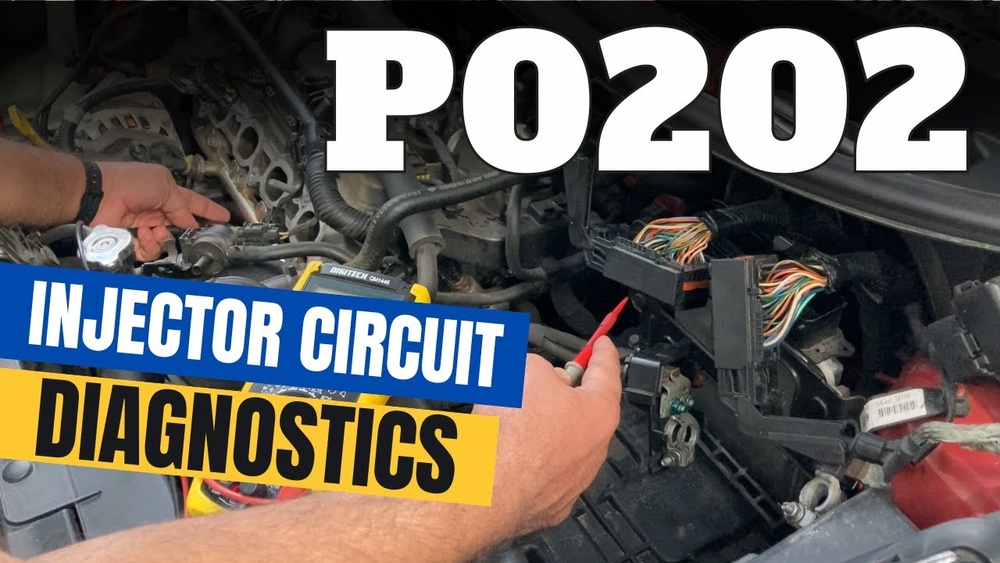
Use an OBD-II scanner to read trouble codes quickly. These codes identify which engine cylinder misfires or what sensor fails. Many auto parts stores offer free code reading services. Note the codes and share them with your mechanic. Early diagnosis guides faster, accurate repairs.
Diagnostic Tools And Techniques
When your Jeep’s check engine light flashes and the car shakes, using the right diagnostic tools helps find the cause fast. These tools read error codes from your vehicle’s computer system. They give clear clues about engine problems, like misfires or sensor failures. Understanding these codes can save time and money on repairs.
Several techniques help diagnose the issue clearly. Using an OBD-II scanner is the easiest way. Reading trouble codes reveals specific faults in your Jeep’s engine. Local free code reading services offer quick checks without cost. Each method supports pinpointing the problem and deciding the next step.
Using An Obd-ii Scanner
An OBD-II scanner plugs into your Jeep’s diagnostic port. It reads data from the engine control unit. This tool shows trouble codes that explain why the check engine light flashes. Many scanners display code definitions, making interpretation simple. You can buy affordable scanners or borrow one from an auto parts store.
Using the scanner takes just minutes. Turn off the engine, connect the scanner, and turn the ignition on. The device will communicate with the car’s system and reveal stored fault codes. These codes guide you to the exact problem causing the shaking and flashing light.
Reading Trouble Codes
Trouble codes are alphanumeric messages stored by your Jeep’s computer. Each code points to a specific engine issue. For example, P0300 means random misfire, while P0301 targets cylinder one misfire. These codes help focus repairs on the faulty part. Mechanics and DIYers rely on them to work efficiently.
Once you get the codes, look up their meaning in a manual or online database. This step helps confirm the cause of the shaking. Codes alone don’t fix the problem but guide you toward the right repairs. Always clear the codes after fixing the issue and check if the light returns.
Finding Local Free Code Reading Services
Many auto parts stores in Austin, Texas, and other cities offer free code reading. They use professional scanners to help drivers diagnose engine problems quickly. These services do not require appointments and take only a few minutes. They are perfect for Jeep owners unsure about buying a scanner.
Free code reading centers provide printed reports with the trouble codes found. This information helps you decide whether to repair the Jeep yourself or visit a mechanic. Keep a list of nearby stores offering this service for easy access when the check engine light flashes and the car shakes.

Common Repair Solutions
The Jeep’s check engine light flashing and car shaking often point to engine misfires. Quick repairs can stop damage and restore smooth driving. Common fixes focus on ignition and fuel systems and sensor accuracy. These repairs improve engine performance and reduce shaking.
Replacing Spark Plugs And Coils
Faulty spark plugs cause weak or no spark in cylinders. This leads to misfires and engine shaking. Replacing old spark plugs restores proper ignition. Ignition coils also wear out and cause misfires. Swapping bad coils for new ones stops shaking and engine light flashing. Regular checks prevent these issues.
Cleaning Or Replacing Fuel Injectors
Dirty or clogged fuel injectors block fuel flow to the engine. This causes uneven fuel delivery and shaking. Cleaning injectors removes buildup and improves fuel spray. Severe injector damage needs replacement. New injectors ensure smooth fuel supply and stop engine misfires. Clean fuel injectors boost performance.
Fixing Sensor Issues
Faulty sensors send wrong data to the engine control unit. This causes poor engine timing and fuel mix. Common sensors like oxygen or crankshaft position sensors fail over time. Testing and replacing bad sensors corrects engine errors. Fixing sensor problems stops the check engine light and shaking. Accurate sensors keep the engine running well.
Preventive Maintenance Tips
Preventive maintenance plays a key role in avoiding Jeep check engine light flashing and car shaking issues. Regular care keeps your engine in good shape. It helps spot problems early, saving you time and money. Follow these simple steps to keep your Jeep running smoothly and safely on the road.
Regular Engine Tune-ups
Engine tune-ups are essential for Jeep health. They include checking spark plugs, ignition coils, and filters. Replace worn parts to prevent misfires that cause shaking. Tune-ups improve fuel efficiency and reduce engine strain. Schedule tune-ups as recommended by your Jeep’s manual.
Fuel System Cleaning
Fuel system cleaning removes dirt and deposits in injectors and fuel lines. Clean fuel systems deliver fuel evenly to the engine. This helps avoid rough idling and engine shaking. Use fuel additives or get professional cleaning services regularly. Clean fuel systems also boost engine performance and longevity.
Monitoring Warning Lights
Always watch your dashboard warning lights closely. A flashing check engine light signals urgent engine trouble. Don’t ignore it or delay repairs. Early detection prevents damage to key engine parts. Use an OBD-II scanner to check error codes or visit a trusted mechanic promptly. Timely action protects your Jeep and your safety.
When To See A Mechanic
Recognizing the right time to visit a mechanic can save your Jeep from serious damage. A flashing check engine light combined with car shaking signals a critical engine issue. Acting promptly helps avoid expensive repairs and keeps you safe on the road.
Signs You Shouldn’t Ignore
A flashing check engine light means the engine is misfiring. You may feel your Jeep shaking or vibrating unusually. The car might hesitate or lose power during acceleration. Loud engine noises or rough idling are also warning signs. Ignoring these symptoms can lead to severe engine damage. Pull over safely if the shaking gets worse or the engine light flashes rapidly.
Choosing A Trusted Repair Shop
Select a repair shop with experience in Jeep vehicles. Look for certified mechanics who use quality parts. Check customer reviews and ask for recommendations from friends or family. A trusted shop will diagnose the problem accurately and explain the needed repairs clearly. Avoid places that rush repairs or give vague estimates.
Preparing For Your Mechanic Visit
Write down all the symptoms you noticed, like shaking, noises, or when the light flashes. Note the driving conditions when the problem occurs. Bring your vehicle’s manual and any past repair records. Arrive on time and be ready to describe the issues in simple terms. This helps the mechanic find the cause faster and fix your Jeep properly.
Frequently Asked Questions
Why Is My Car Shuddering And The Engine Light Flashing?
A flashing engine light and car shuddering signal severe engine misfires. Faulty spark plugs, ignition coils, or fuel injectors often cause this. Stop driving immediately to avoid damage. Scan for error codes and get professional repairs promptly to ensure safety and prevent costly engine damage.
Could A Flashing Light Cause Car Shaking?
A flashing light often signals engine misfires causing car shaking. Faulty spark plugs, ignition coils, or fuel injectors usually trigger this. Address issues immediately to avoid costly damage and ensure safe driving.
Why Is My Car Shaking And Saying Check Engine?
A shaking car with a flashing check engine light usually signals a severe engine misfire. Faulty spark plugs, ignition coils, or fuel injectors often cause it. Stop driving immediately to prevent damage. Use an OBD-II scanner or visit a mechanic to diagnose and fix the issue promptly.
How Do I Reset My Fuel Cap Sensor?
To reset your fuel cap sensor, tighten the fuel cap securely until it clicks. Then, drive for a few miles to clear the sensor. Use an OBD-II scanner to reset codes if the light stays on. This helps the system recognize the fuel cap is properly sealed.
Conclusion
A flashing check engine light with car shaking warns of engine trouble. This often means an engine misfire or fuel problem. Ignoring it can cause costly damage or breakdowns. Always stop driving safely and check for trouble codes. Fixing issues early keeps your Jeep running smoothly.
Stay alert and act quickly to protect your vehicle.