Fixing engine compression is a task many car owners face at some point. Low compression can make your engine hard to start, cause rough running, or even prevent the car from moving. Understanding what causes low compression and how to fix it can save you money and help your engine last longer.
Whether you drive a daily sedan or a powerful truck, knowing the basics of engine compression repair gives you confidence and control.
What Is Engine Compression?
Engine compression is the pressure created inside the cylinders when the piston moves upward, squeezing the air-fuel mixture. This pressure is critical for the engine to produce power. Without proper compression, combustion cannot happen efficiently.
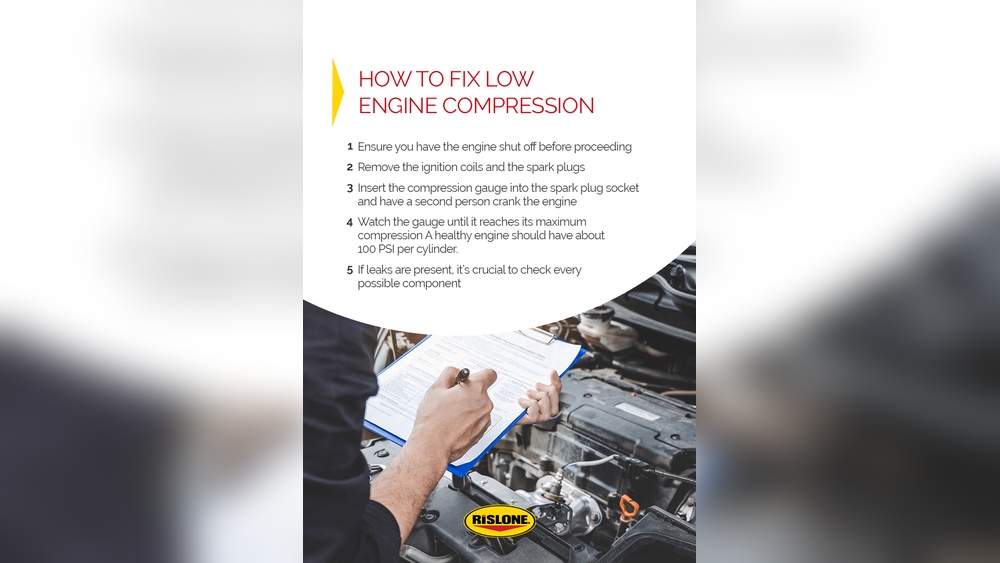
Most gasoline engines require compression ratios between 8:1 and 12:1. Diesel engines have higher ratios, usually 14:1 to 25:1. Compression is measured in pounds per square inch (PSI). Healthy engines typically show 140–180 PSI per cylinder.
Common Causes Of Low Compression
Low compression can come from several sources. Here are the main ones:
- Worn piston rings: These seal the gap between the piston and cylinder wall. When worn, they allow air to escape.
- Damaged valves: Intake and exhaust valves may burn, bend, or fail to seat, causing leaks.
- Head gasket failure: The gasket seals the cylinder head to the engine block. Failure leads to leaks between cylinders.
- Cylinder wall damage: Scratches, cracks, or wear let air escape.
- Timing issues: Incorrect camshaft timing prevents valves from closing properly.
A non-obvious insight: Sometimes low compression affects only one cylinder, making diagnosis harder. In other cases, multiple cylinders show low readings, pointing to a larger problem like a blown head gasket.
Diagnosing Compression Problems
To fix compression, you must first identify the cause. Here’s a step-by-step approach:
- Compression test: Use a compression gauge to check each cylinder. Remove all spark plugs, install the gauge, and crank the engine. Record the PSI for each cylinder.
- Compare results: Healthy readings should be similar across all cylinders. A difference greater than 10% suggests a problem.
- Wet test: Add a spoonful of engine oil into the cylinder and repeat the test. If PSI rises, piston rings are likely worn. If PSI stays the same, suspect valves or head gasket.
- Leak-down test: This test uses compressed air to pinpoint where the leak is occurring. Listen for air escaping from the intake, exhaust, or crankcase.
Here’s a simple table showing typical compression readings:
| Engine Type | Healthy PSI | Low PSI Problem |
|---|---|---|
| Gasoline | 140–180 | <120 |
| Diesel | 350–450 | <300 |
How To Fix Engine Compression
Once you know what’s causing low compression, you can plan the repair. Some fixes are simple, others require professional tools and skill.
Repairing Piston Rings
Worn or broken piston rings are a common cause. Here’s how you fix them:
- Remove the cylinder head and oil pan.
- Take out the pistons.
- Inspect and replace piston rings.
- Clean cylinder walls, check for scoring.
- Reassemble with new rings.
This repair requires careful measurement and patience. Always use a torque wrench for reassembly.
Fixing Valve Problems
Damaged valves can be repaired by:
- Removing the cylinder head.
- Inspecting valves for burning, bending, or poor seating.
- Replacing or grinding valves as needed.
- Replacing valve seals.
Valve repairs often need specialized tools like valve spring compressors.
Replacing A Head Gasket
Head gasket failure often affects multiple cylinders. Here’s the process:
- Remove the cylinder head.
- Clean the mating surfaces.
- Install a new head gasket.
- Reassemble and torque bolts to manufacturer specs.
Head gasket jobs can be tricky. If you see milky oil or coolant loss, this is usually the cause.
Repairing Cylinder Wall Damage
If you find deep scratches or cracks:
- Remove engine block.
- Inspect walls for damage.
- Hone or bore cylinders, then fit oversized pistons and rings.
- If cracks are severe, replace the engine block.
This fix is costly and time-consuming. Many owners choose to rebuild or replace the engine.
Fixing Timing Issues
Incorrect timing means valves don’t close fully. The fix:
- Inspect and reset the timing belt or chain.
- Check camshaft and crankshaft alignment.
- Replace worn timing components.
Here’s a comparison of common fixes and their difficulty:
| Repair Type | Skill Level | Typical Cost |
|---|---|---|
| Piston Rings | Advanced | $500–$1,200 |
| Valve Repair | Intermediate | $300–$900 |
| Head Gasket | Advanced | $700–$2,000 |
| Timing Adjustment | Basic | $200–$400 |

Practical Tips For Engine Compression Repair
- Always use OEM parts for reliability.
- Clean all surfaces before reassembly to avoid leaks.
- Double-check torque specs—over-tightening can cause warping.
- Replace seals and gaskets during repairs to prevent future issues.
- If unsure, consult a mechanic. Mistakes can cause expensive damage.
A mistake beginners often make is skipping diagnosis and replacing parts blindly. Always test and confirm the real cause before starting any repair.
How Long Does It Take?
Repair time depends on the issue:
| Repair Type | Estimated Time |
|---|---|
| Piston Rings | 8–12 hours |
| Valve Repair | 4–6 hours |
| Head Gasket | 5–10 hours |
| Timing Adjustment | 1–2 hours |
When To Seek Professional Help
If you lack tools or experience, some repairs are best left to professionals. Engine internals are delicate. Incorrect assembly can lead to worse problems. For complex jobs like piston ring or head gasket replacement, a skilled mechanic is recommended. For more info on engine compression, visit Wikipedia.
Fixing engine compression is not just about restoring power. It’s about keeping your vehicle reliable for years to come. Proper diagnosis and careful repair make all the difference.
Frequently Asked Questions
What Are The Symptoms Of Low Engine Compression?
Common signs include difficulty starting, rough idling, loss of power, and poor fuel economy. Sometimes, you may hear misfires or see white smoke from the exhaust.
Can I Drive With Low Compression?
Driving with low compression is risky. The engine will run poorly and may suffer further damage. It’s best to repair the issue as soon as possible.
Is Engine Compression Repair Expensive?
Costs vary. Simple fixes like timing adjustment may cost a few hundred dollars, but major repairs like piston rings or head gasket can cost over $1,000.
How Often Should I Check Engine Compression?
Check compression if you notice performance issues, after 100,000 miles, or when buying a used car. Regular checks are not needed unless problems arise.
Will Compression Repair Increase Fuel Efficiency?
Yes. Fixing compression restores proper combustion, which improves fuel efficiency, power, and emissions.