Getting water in your fuel tank is a problem that can cause serious engine issues. Even a small amount of water can lead to poor performance, rust, and expensive repairs.
If you suspect water in your tank, removing it quickly is important.
This guide explains how water gets into your fuel, signs to watch for, and effective ways to remove it safely.
Why Water In The Fuel Tank Is A Problem
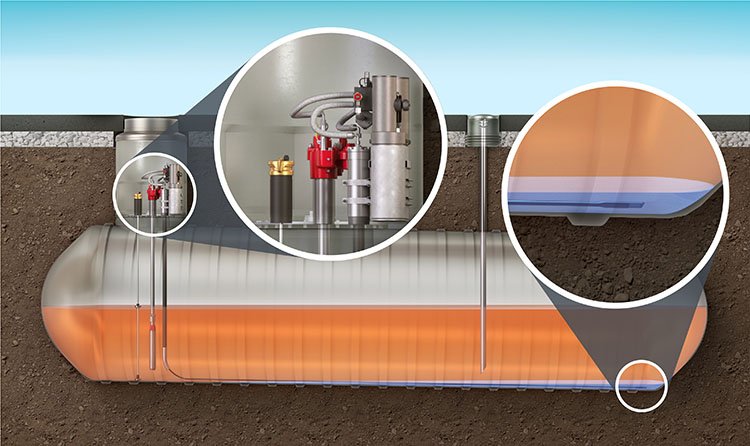
Water does not mix with gasoline or diesel. When it enters the fuel tank, it settles at the bottom because it’s heavier than fuel. This can lead to engine misfires, stalling, and even corrosion in the fuel system. In cold weather, water can freeze and block fuel lines. In severe cases, it may damage the fuel injectors, pumps, and the engine itself.
Common Ways Water Gets Into The Tank
- Condensation: Temperature changes can cause moisture to form inside the tank.
- Contaminated Fuel: Buying fuel from a station with poor storage can introduce water.
- Loose or Damaged Gas Cap: A faulty seal allows rainwater or humidity inside.
- Flooding or Submersion: Vehicles exposed to deep water are at high risk.
Signs Of Water In Your Fuel Tank
Spotting water in the tank early can save you from bigger problems. Common signs include:
- Rough idling or sudden drops in power
- Engine sputtering or stalling, especially after refueling
- Check engine light comes on without clear reason
- Rusty fuel filter after inspection
- Unusual exhaust smoke (often white or steam-like)
If you notice these symptoms, it’s wise to check for water contamination before continuing to drive.
Fast Ways To Test For Water
Before you start removing water, you need to confirm it’s there. Here are two reliable methods:
| Test Method | How It Works | Accuracy |
|---|---|---|
| Fuel Sample Test | Draw fuel from the tank bottom and check for water separation. | High |
| Fuel Water Detector Paste | Apply paste to a dipstick; it changes color if water is present. | Very High |
Tip: Always collect your sample from the lowest point in the tank, as water sinks below the fuel.
How To Remove Water From A Fuel Tank
There are several ways to remove water, depending on how much is present and what tools you have. Here’s how to handle both small and large amounts.
For Small Amounts
If you suspect only a little water, follow these steps:
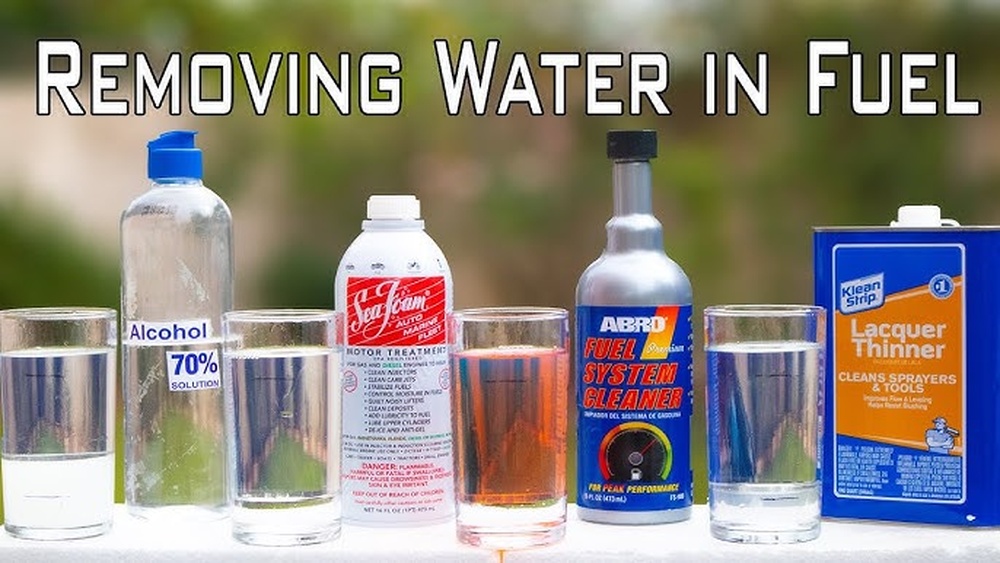
- Add a Fuel Additive: Use a fuel system water remover (like HEET or Iso-HEET). These products bond with water and help it mix with fuel, so it burns off during engine operation.
- Refuel: Fill up the tank completely. This dilutes water and prevents further condensation.
- Drive Normally: Allow the additive to work. If symptoms persist, consider further action.
For Large Amounts
If there’s significant water, you need to remove it physically:
- Drain the Tank
- Locate the drain plug (if your car has one). Place a container under the tank and open the plug.
- If no drain plug, use a siphon pump to remove fuel from the top and bottom.
- Dispose of contaminated fuel properly—never pour it down drains or on the ground.
- Clean the Tank
- Rinse with a small amount of fresh fuel to flush out any remaining water.
- For severe cases, remove the tank for thorough cleaning.
- Replace the Fuel Filter
- Water can damage filters quickly. Install a new one before refilling the tank.
- Add Fresh Fuel and a Water Remover
- Fill the tank fully and add a water remover product.
Diy Vs. Professional Help
Most drivers can handle small water contamination. But if you have a modern car with advanced fuel injection or direct injection, it’s safer to ask a mechanic. Removing and reinstalling a tank is a challenging job and mistakes can be costly.
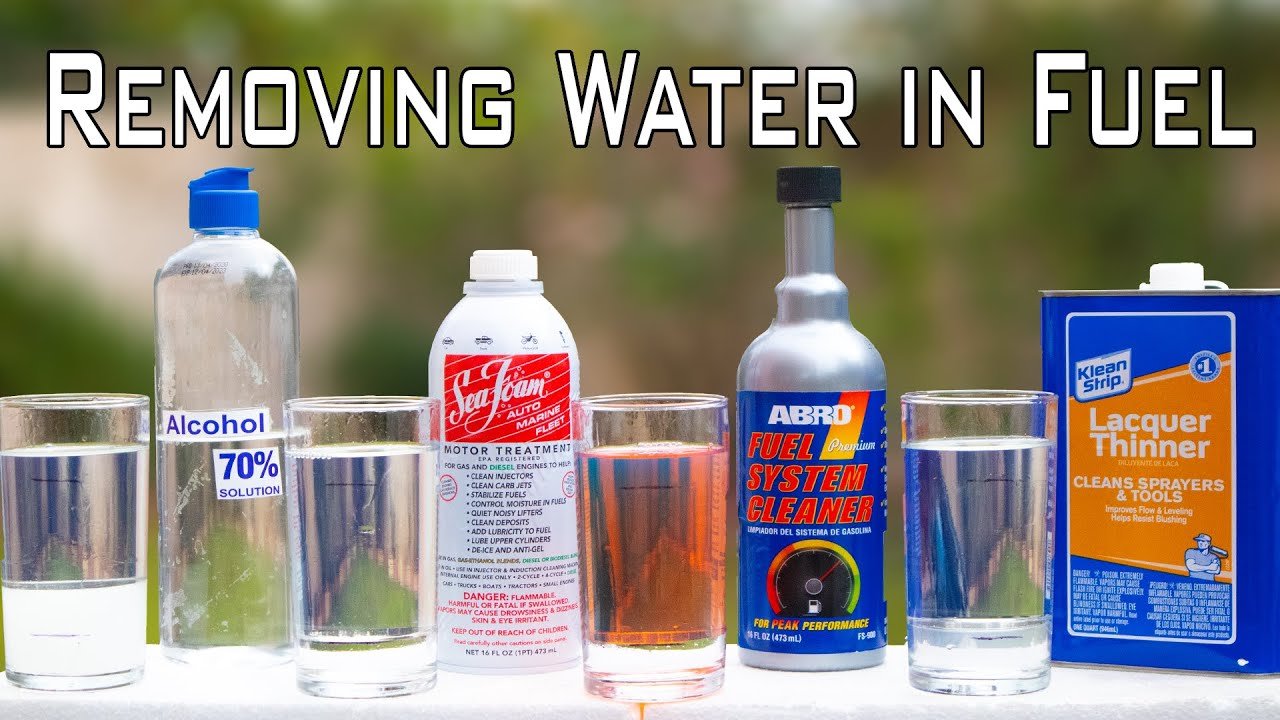
Comparing Removal Methods
Here’s a quick comparison of popular water removal options:
| Method | Best For | Pros | Cons |
|---|---|---|---|
| Fuel Additives | Small water amounts | Easy, cheap, fast | Doesn’t work for large volumes |
| Draining the Tank | Large water amounts | Thorough, complete removal | Labor intensive, may need mechanic |
| Siphoning | Older vehicles | No special tools required | Not always possible in modern cars |
Preventing Water In The Tank
Prevention is often easier than removal. Here are simple tips to keep water out:
- Keep your tank full: Less air space means less condensation.
- Replace damaged gas caps: Always use a tight, correct cap.
- Buy fuel from trusted stations: Avoid old, rundown pumps.
- Avoid driving through deep water: Flooding can force water inside.
- Check for leaks: Inspect for rust or cracks in fuel lines and tank.

What Beginners Often Miss
Many people assume adding a water remover is always enough. In reality, if you have a lot of water, additives can only help so much.
You need to drain and clean the tank for lasting results. Another mistake is ignoring the fuel filter if it’s been exposed to water, it should always be replaced to avoid future problems.
It’s also common to overlook the importance of proper disposal. Contaminated fuel must be taken to a hazardous waste facility. Pouring it out or into the ground is illegal and environmentally harmful.
For more technical detail on how water affects engines, check the Wikipedia entry on water in fuel.
Frequently Asked Questions
What Happens If I Drive With Water In The Fuel Tank?
Driving with water in the tank can cause engine misfires, loss of power, and even permanent damage to fuel injectors or pumps. Over time, it may lead to rust and corrosion inside the system.
Can I Use Rubbing Alcohol Instead Of A Commercial Water Remover?
Some people use isopropyl alcohol (rubbing alcohol) in emergencies. However, commercial products are specially formulated for engines and are safer. Use alcohol only if you understand the correct dosage and risks.
How Much Water In The Tank Is Too Much?
Even a few ounces can cause problems, especially in modern engines. If you notice symptoms or see visible water during testing, take action immediately.
Is It Safe To Remove A Fuel Tank At Home?
Removing a fuel tank is challenging and can be dangerous. There’s a risk of fire, toxic fumes, and spills.
Only attempt this if you have proper tools, space, and knowledge.
How Do I Dispose Of Contaminated Fuel?
Take old or contaminated fuel to a local hazardous waste disposal center. Most auto shops and recycling centers can guide you. Never pour it down drains or onto the ground.
Getting water out of your fuel tank protects your engine and saves money in the long run. Act quickly, use the right method, and always put safety first.