Moving your seat back in a Jeep Wrangler sounds simple, but understanding the right way to do it can make your driving much more comfortable. Whether you’re tall and need extra legroom or just want to adjust for a better view, knowing the correct steps helps you avoid damaging the seat mechanism.
This guide walks you through both manual and power seat adjustments, highlights common mistakes, and explains key features to help you get the most from your Wrangler.
Understanding Jeep Wrangler Seat Types
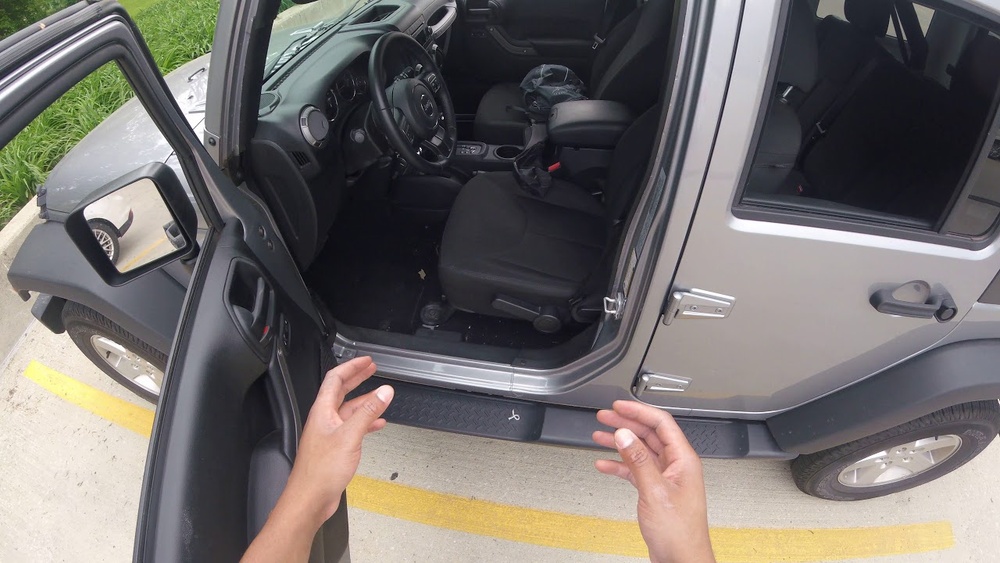
Jeep Wranglers come with manual seats or power seats, depending on the year and trim level. Most older models and base trims use manual adjustments, while higher trims or newer models may offer power seats. Before making changes, check which type your Wrangler has—this affects both the adjustment method and the features available.
Manual Vs. Power Seat: Quick Comparison
The table below shows the main differences:
| Feature | Manual Seat | Power Seat |
|---|---|---|
| Adjustment Method | Lever/Bar | Switch/Buttons |
| Available On | Most models, especially older | Newer or higher trims |
| Range of Movement | Usually less | Usually more |
| Common Issues | Sticking, jamming | Motor problems, fuse issues |
How To Move The Seat Back: Manual Adjustment
Most Jeep Wranglers with manual seats use a simple bar or lever under the front of the seat.
1. Locate The Seat Adjustment Bar
Find the horizontal bar at the front-bottom edge of the seat. It usually has a textured grip.
2. Lift The Bar Firmly
Use one hand to grab the bar and lift upward. This action unlocks the seat from its track.
3. Slide The Seat Back
While holding the bar up, use your body weight to push the seat back. Move slowly to avoid sudden movement.
4. Release The Bar
Once you’ve found the right position, release the bar. Make sure you hear a click—the seat should lock into place.
5. Test The Lock
Gently rock the seat back and forth to confirm it’s locked. If it moves, repeat the steps.
Pro Tip:
If the seat is hard to move, check for debris like coins or dirt in the track. Clean with a vacuum and test again.
Common Problems With Manual Seats
Some owners find their seat track becomes stiff over time, especially after off-road trips. Lubricate the track with a silicone spray—never use oil-based lubricants, as they attract dirt and cause more sticking.

Adjusting A Power Seat
If your Jeep Wrangler has a power seat, the process is even easier.
1. Find The Power Controls
Look on the left side of the seat for a switch resembling a small joystick or buttons.
2. Move The Seat Back
Push the switch backward. The seat will slide back until you release the control or reach the limit.
3. Fine-tune The Angle
Some power seats let you adjust the seatback angle and height. Experiment with the controls for best comfort.
4. Check For Obstructions
Power seats stop if they hit an object. Make sure nothing (like a bag or floor mat) blocks the track.
Non-Obvious Insight:
If your power seat suddenly stops working, check the vehicle’s fuse box. A blown fuse is a common cause and is easy to replace.
Power Seat Features Comparison
Here’s a look at typical features found on manual vs. power seats:
| Feature | Manual Seat | Power Seat |
|---|---|---|
| Forward/Backward Slide | Yes | Yes |
| Recline Adjustment | Lever | Button/Switch |
| Height Adjustment | Rare | Common |
| Lumbar Support | No | Yes (select models) |
Extra Tips For Comfort And Safety
- Set the seat so your knees are slightly bent when pressing the pedals.
- Adjust the seatback for a comfortable reach to the steering wheel, keeping your shoulders relaxed.
- Check headrest position: The top should be level with your ears for best support.
- Don’t place heavy items under the seat—they can block the track or damage the wires (for power seats).
Hidden Detail:
If you share your Jeep, mark your seat position with a piece of tape under the seat. This makes it easy to return to your preferred setting.
.png)
When The Seat Won’t Move
Sometimes, the seat gets stuck or feels jammed. Here’s what you can do:
- Check for small objects (coins, pens, trash) in the seat track.
- Try moving the seat with the door open. Sometimes extra space helps.
- For power seats, test all seat buttons. If nothing works, check fuses.
- If the seat still won’t move, consult your dealer or a trusted mechanic.
Quick Reference: Jeep Wrangler Seat Adjustments By Year
For a fast look at seat options by Wrangler model year:
| Model Year | Base Seat Type | Power Seat Available |
|---|---|---|
| 2007–2017 (JK) | Manual | No |
| 2018+ (JL) | Manual (base), Power (higher trims) | Yes |
| 2024 (latest) | Manual/Power | Yes |
For more details on Wrangler generations, check the official Jeep Wrangler Wikipedia page.
Getting your seat right makes every drive safer and more comfortable. Take a moment to adjust your seat before you hit the road. Small changes can prevent fatigue and help you stay alert, especially on long trips or bumpy terrain.
Frequently Asked Questions
How Do I Know If My Jeep Wrangler Seat Is Manual Or Power?
Manual seats use a bar or lever under the seat. Power seats have buttons or switches, usually on the seat’s side. Check your owner’s manual if you’re unsure.
Can I Install A Power Seat In My Older Wrangler?
It’s possible, but it’s costly and requires wiring and mounting changes. Most owners find it easier to stick with manual seats unless upgrading to a newer model.
Why Does My Seat Feel Stuck And Not Move Back?
Common causes are dirt or objects in the track, or a jammed mechanism. For power seats, check the fuse and make sure nothing blocks the seat’s path.
Is It Safe To Adjust The Seat While Driving?
No, always adjust your seat before driving. Adjusting while moving can distract you and lead to accidents.
Does The Wrangler’s Back Seat Move?
Rear seats in most Wranglers fold and tumble forward, but they don’t slide back like the front seats. Only the front seats offer full forward-backward adjustment.
With these tips, you can quickly and safely move your Jeep Wrangler’s seat back—ensuring a comfortable drive every time.